

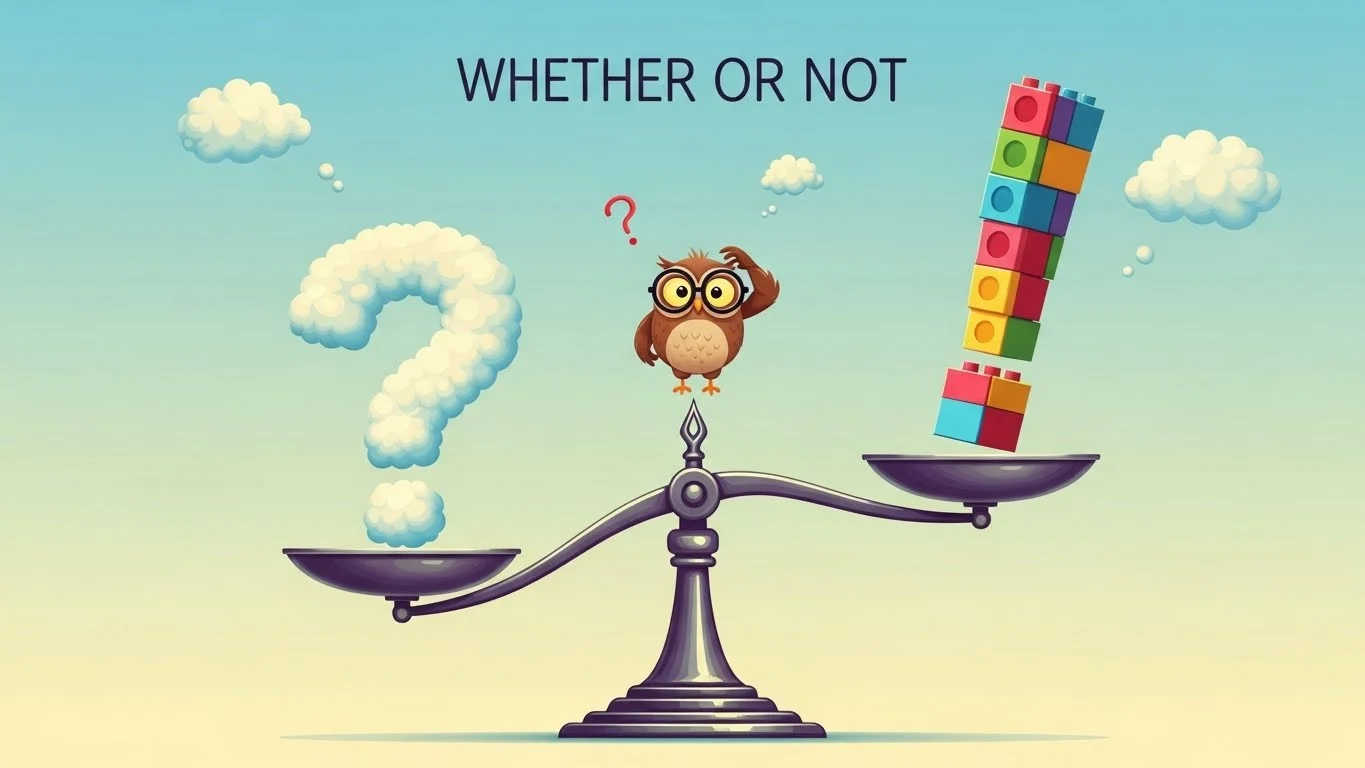
What Does Whether or Not Mean in Simple Terms
In simple terms, “whether or not” means “no matter if” or “regardless of the outcome.”
Whether or Not in Grammar
Grammatically, “whether or not” introduces two possible conditions or choices.
Whether or Not in Daily Conversation
In daily speech, the phrase emphasizes that the result will be the same in either situation.
Whether or Not in Writing
In writing, it adds clarity by showing that an action depends on or ignores certain conditions.
Whether or Not in Formal English
In formal English, “whether or not” is used to present alternatives clearly and logically.
Whether or Not in Informal English
Informally, speakers often shorten it to just “whether,” but the meaning remains clear.
Common Uses of Whether or Not
It’s commonly used to show choice, uncertainty, or independence from outcomes.
Whether or Not in Questions
In questions, it introduces uncertainty or asks about different possibilities.
Whether or Not in Statements
In statements, it stresses that something will happen regardless of conditions.
Whether or Not Meaning in Decisions
The phrase often appears when discussing decisions or outcomes under different conditions.
Whether or Not Meaning in Examples
Example: “I’ll go for a walk whether or not it rains.”

Common Misunderstandings About Whether or Not
Some think “or not” is always required, but in many cases, “whether” alone is correct.
Difference Between Whether and If
“Whether” presents alternatives, while “if” often introduces conditions.
Whether or Not in Academic Writing
In academic writing, it’s used to show balanced consideration of options or outcomes.
Whether or Not Meaning in Legal Language
Legal documents use “whether or not” to remove ambiguity and ensure clarity.
When to Use Whether or Not
Use it when you want to emphasize that all outcomes are considered.
When Not to Use Whether or Not
Avoid overusing it, especially when “whether” alone is sufficient.
Whether or Not Meaning in Speech Tone
It can sound decisive, neutral, or explanatory depending on context.
How to Use Whether or Not Correctly
Place it before the conditions or choices being discussed.
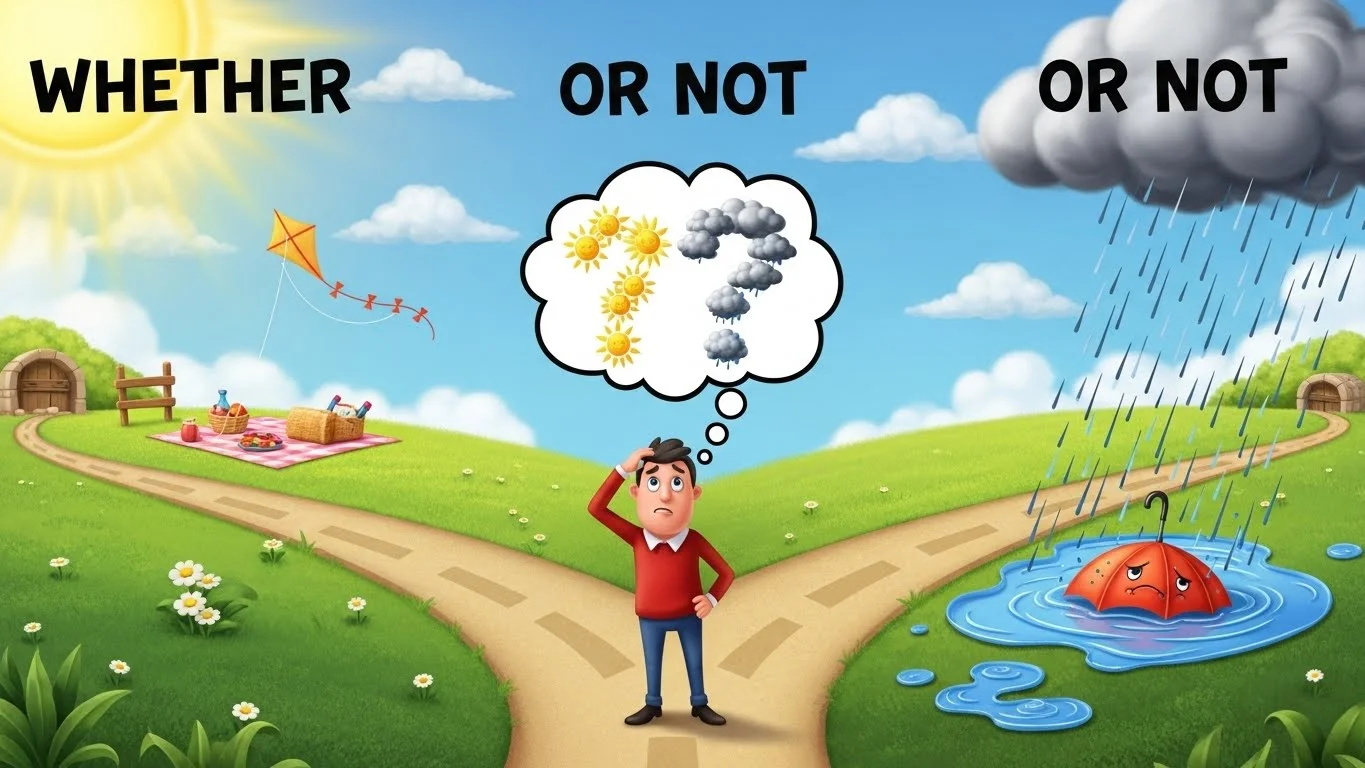
Why Understanding Whether or Not Matters
Understanding this phrase improves grammar, clarity, and effective communication.