


What Does Tax Evasion Meaning
• The illegal act of not paying taxes owed
• Involves hiding income, inflating deductions, or falsifying records
• Punishable under law with fines, interest, or imprisonment
Origin of the Term Tax Evasion
• Comes from legal and financial terminology
• Widely used in taxation law since the 20th century
• Distinguishes illegal evasion from legal tax avoidance
Tax Evasion Meaning in Simple Words 2026
The tax evasion meaning is illegally avoiding paying taxes that you owe.
In simple terms, tax evasion means:
Hiding income
Lying on tax returns
Not paying required taxes on purpose
It is a criminal offense in most countries.
What Does Tax Evasion Mean in Law 2026
In legal terms, tax evasion refers to:
Deliberate actions to reduce tax illegally
Intentional fraud or deception
Breaking tax laws knowingly
It is different from honest mistakes on tax forms.
Common Examples of Tax Evasion 2026
Examples of tax evasion include:
Not reporting all income
Using fake expenses or deductions
Keeping money in hidden accounts
Paying employees in cash to avoid taxes
These actions are done intentionally.
Tax Evasion in Simple Terms
• Hiding income or lying on tax returns
• Avoiding government taxes unlawfully
• Opposite of paying taxes honestly
Common Examples of Tax Evasion
• Underreporting income or wages
• Claiming fake deductions or credits
• Using offshore accounts to hide money
• Not filing tax returns at all
Tax Evasion vs Tax Avoidance
• Tax evasion is illegal
• Tax avoidance uses legal loopholes to reduce taxes
• Both aim to minimize tax, but legality differs
Legal Consequences of Tax Evasion
• Fines and penalties
• Repayment of owed taxes with interest
• Possible criminal charges and imprisonment
Tax Evasion in Business
• Companies may underreport profits
• Inflating expenses to reduce taxable income
• Using shell companies or offshore accounts illegally

Emotional or Social Meaning of Tax Evasion
• Considered unethical and dishonest
• Can damage reputation and trust
• Viewed as harming society by avoiding civic responsibility
Examples of High-Profile Tax Evasion
• Famous individuals or corporations fined for hidden income
• Offshore tax haven scandals
• Media often highlights large-scale tax evasion cases
How to Avoid Tax Evasion
• File taxes honestly and accurately
• Keep proper records and receipts
• Consult with certified accountants for compliance
Common Misunderstandings About Tax Evasion
• Not paying taxes occasionally is not always evasion
• Legal tax planning is different and allowed
• Tax evasion is a deliberate act, not an accidental error
Tax Evasion in Modern Usage
• Mentioned in news, finance articles, and legal discussions
• Used to highlight financial crimes and tax scandals
• Important term in corporate governance and personal finance
Importance of Understanding Tax Evasion
• Avoids unintentional legal issues
• Helps individuals and businesses comply with law
• Protects reputation and financial stability
Cultural or Societal Significance
• Tax compliance is a civic duty
• Evasion affects public services and infrastructure
• Societies penalize evasion to ensure fairness and justice
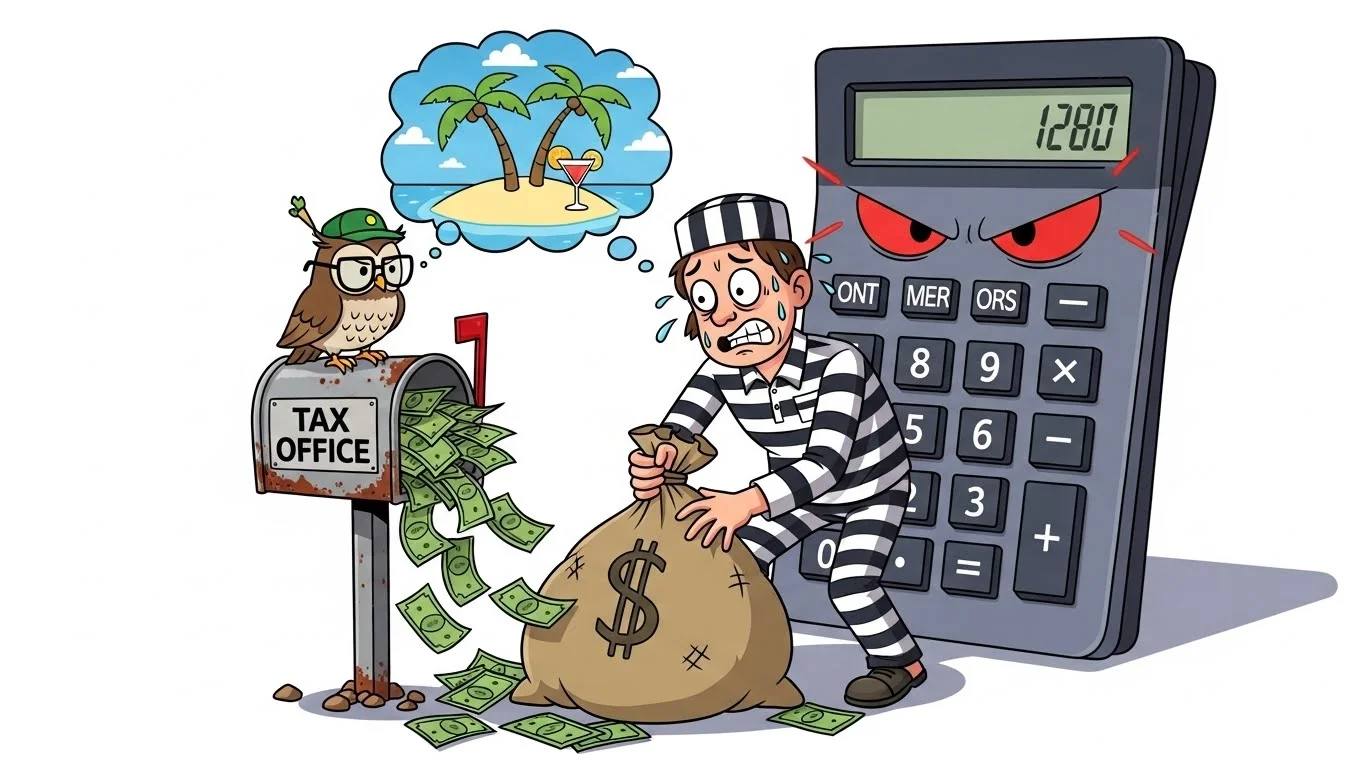
Why Tax Evasion Meaning Matters
• Helps differentiate legal vs illegal tax actions
• Encourages financial responsibility
• Ensures awareness of potential consequences