
What Does Slava Ukraini Mean in Simple Terms
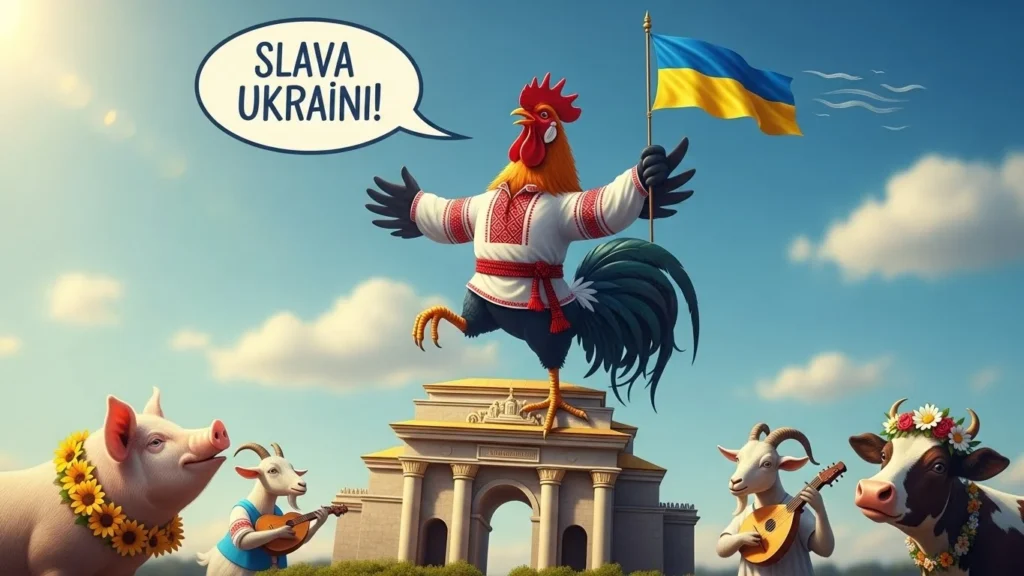
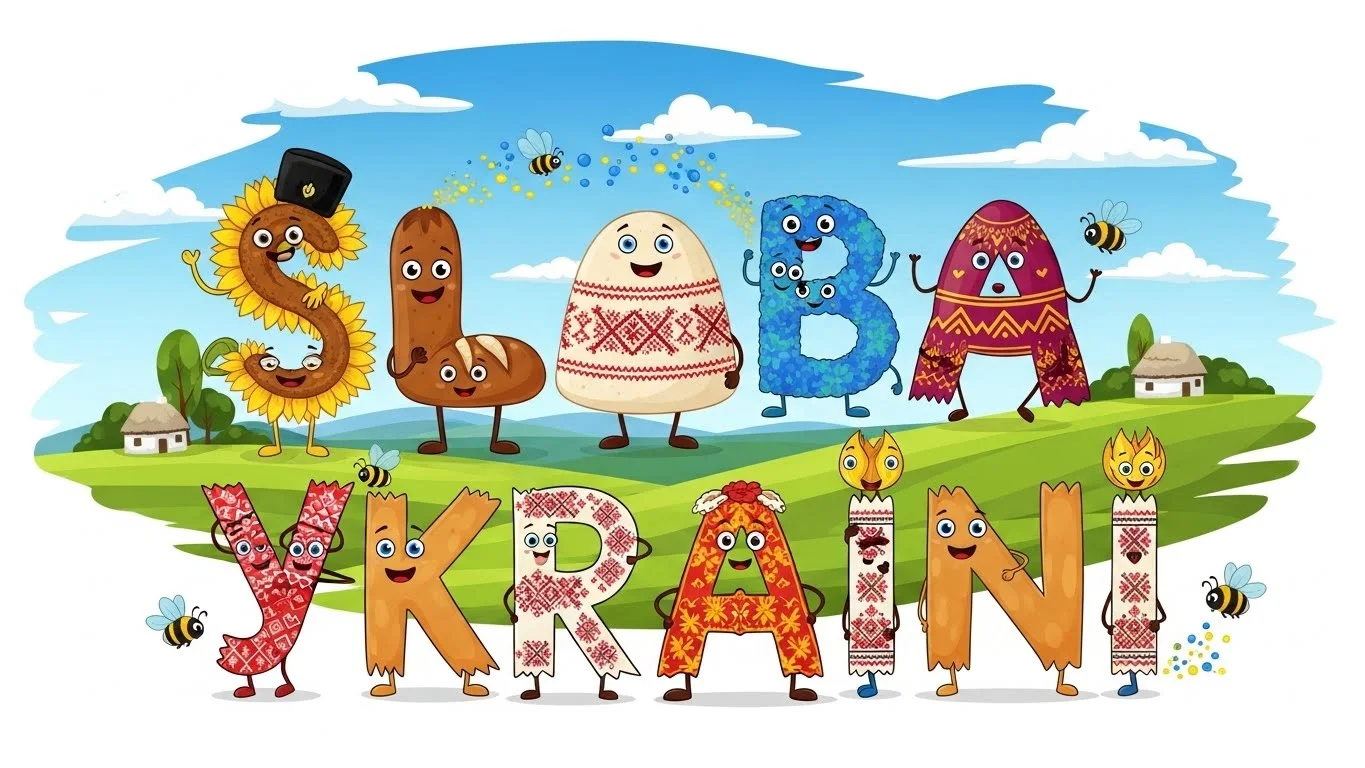
In simple terms, “Slava Ukraini” translates to “Glory to Ukraine,” expressing pride, support, or solidarity with the country.
Slava Ukraini in History
The slogan originated in the early 20th century among Ukrainian nationalists and independence movements as a call for freedom and pride.
Slava Ukraini in Modern Times
Today, it is widely used as a patriotic greeting, chant, or slogan to express national pride and resilience.
Slava Ukraini in Politics
Politicians, activists, and public figures use “Slava Ukraini” to show support for Ukraine’s sovereignty and democracy.
Slava Ukraini in Military Context
Ukrainian soldiers and supporters often use the phrase as a morale-boosting chant or salute during conflicts.
Slava Ukraini in Social Media
The phrase appears frequently in posts, hashtags, and campaigns supporting Ukraine worldwide.
Slava Ukraini in International Solidarity
Global supporters of Ukraine adopt “Slava Ukraini” to demonstrate awareness and support for the country.
Common Misunderstandings About Slava Ukraini
Some people may misinterpret it as aggressive or political; however, it primarily conveys patriotism and national pride.
Difference Between Slava Ukraini and Glory to Ukraine
They mean the same; one is in Ukrainian, and the other is its English translation.
Slava Ukraini Meaning in Everyday Conversation
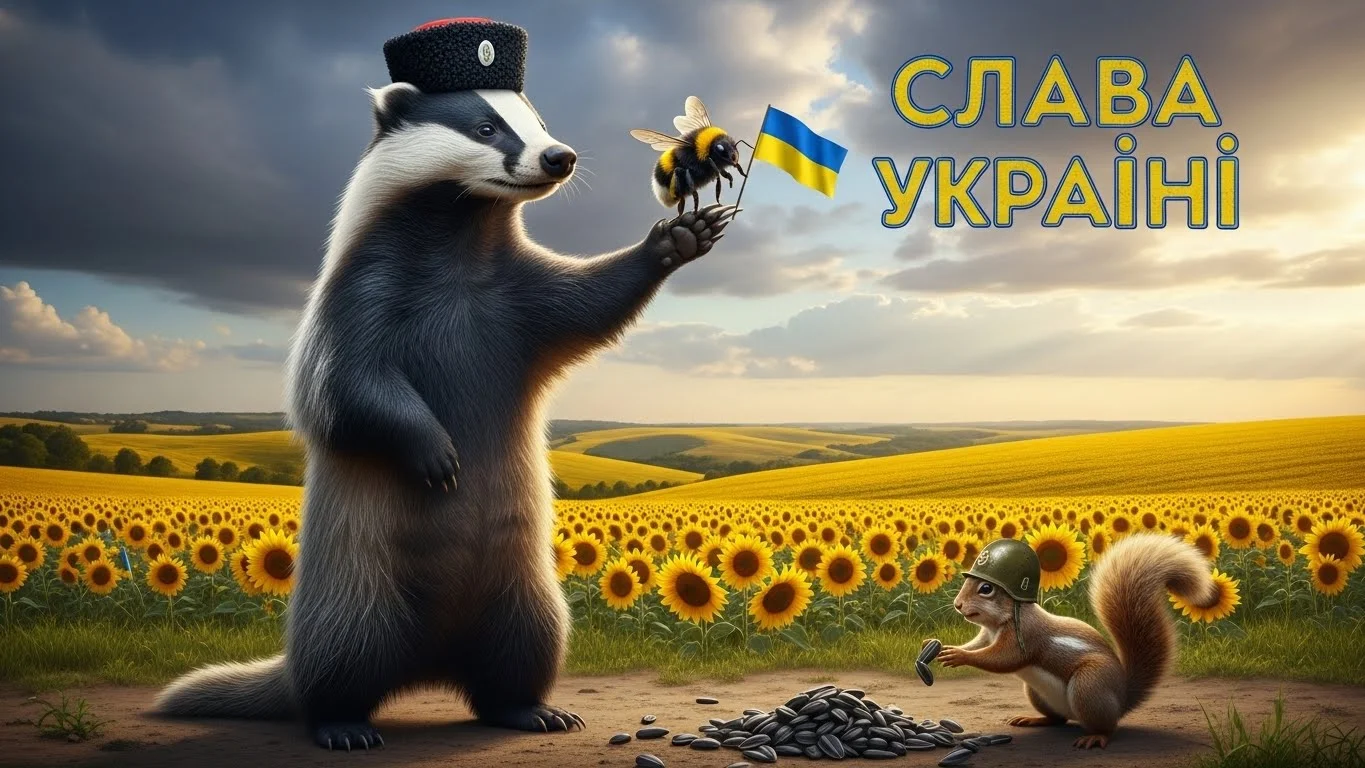
It can be used as a greeting, a statement of pride, or a chant during celebrations, protests, or events.
How to Respond to Slava Ukraini
The common response is “Heroyam slava,” which means “Glory to the heroes.”
Slava Ukraini in Culture
The phrase reflects Ukrainian cultural identity, history of resistance, and national unity.
Emotional Impact of Slava Ukraini
It evokes pride, solidarity, resilience, and a sense of belonging among Ukrainians and supporters.
Slava Ukraini in Media
Journalists and news outlets use it to contextualize Ukraine-related events or patriotic expressions.
Slava Ukraini in Education
Teachers may explain the phrase in history or civics lessons to teach about Ukrainian independence and patriotism.
Slava Ukraini in Music and Art
Artists incorporate the phrase into songs, visual arts, and performances to express national pride.
Slava Ukraini in International Events
At global sporting or political events, it is used to show solidarity with Ukraine.
How to Use Slava Ukraini in a Sentence
Example: “The crowd cheered, shouting ‘Slava Ukraini!’ to honor the country’s heroes.”
Why Understanding Slava Ukraini Matters
Understanding the Slava Ukraini meaning helps in appreciating Ukrainian culture, history, and the ongoing struggle for freedom.
Slava Ukraini Meaning in Communication
Using it correctly ensures respectful acknowledgment of Ukrainian pride and identity.