


What Does RFE Mean in Simple Terms
In simple terms, RFE stands for “Request for Evidence”, usually issued by government agencies, employers, or official institutions to request additional documentation or clarification.
RFE Meaning in Immigration
In U.S. immigration, an RFE is a formal request from USCIS (U.S. Citizenship and Immigration Services) asking an applicant to provide additional evidence to support their petition or application.
RFE Meaning in Legal Context
In legal or professional settings, RFE can be used by organizations to request more information or evidence related to a case, application, or claim.
RFE Meaning in Business
In business, an RFE may refer to requests for further documentation, proof of eligibility, or clarification during audits or official processes.
Common Misunderstandings About RFE
Some may confuse RFE with rejection. An RFE does not mean denial; it is an opportunity to provide additional information.
Difference Between RFE and Denial
An RFE asks for more evidence, whereas a denial indicates the request or application has been rejected. Responding to an RFE properly can prevent denial.
How to Respond to an RFE
Carefully review the RFE notice
Gather all requested documents
Submit evidence within the given deadline
Ensure clarity and accuracy in your response
RFE Meaning in Professional Communication
Outside immigration, RFE can appear in emails or official letters requesting clarification, proof, or documentation to complete a process.
How to Use RFE in a Sentence
Example: “The USCIS issued an RFE asking for additional proof of my employment history.”
Emotional or Practical Impact of RFE
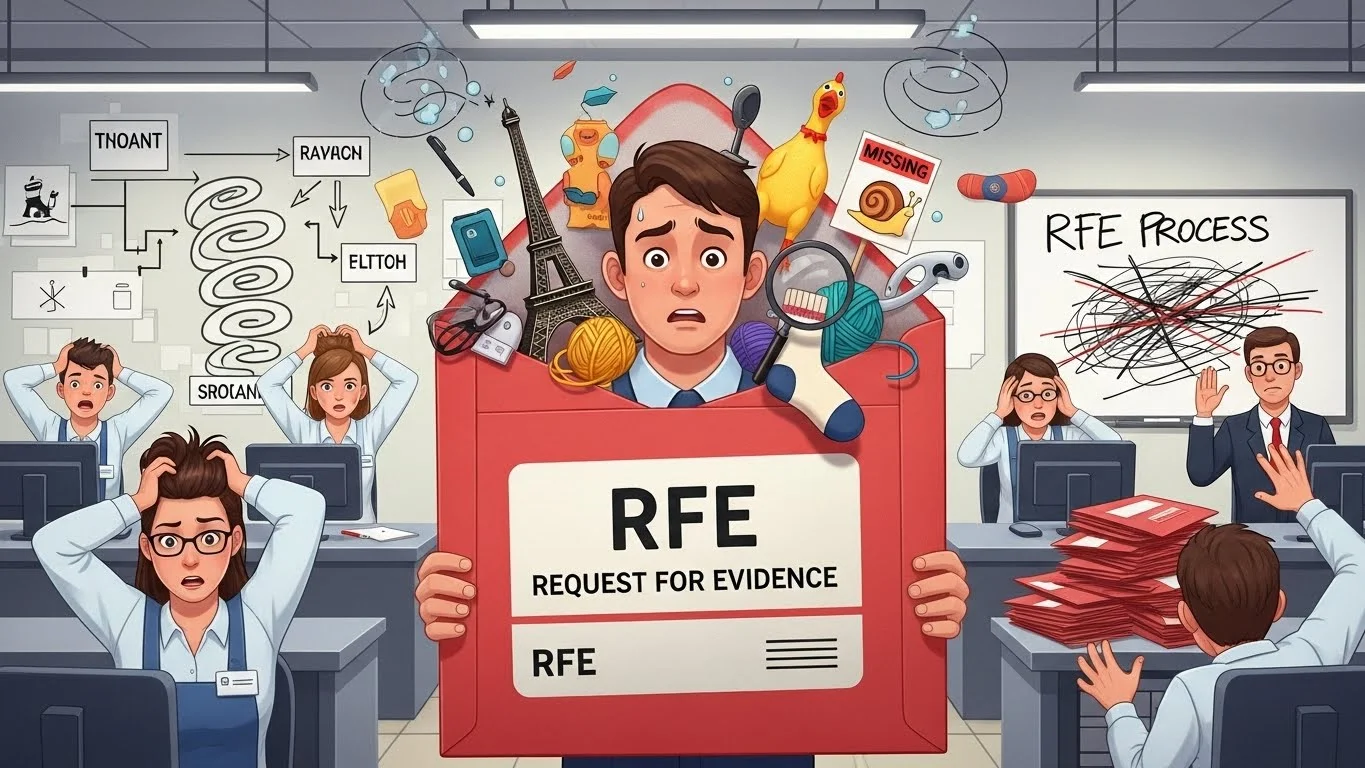
Receiving an RFE can cause anxiety, but understanding it as a chance to strengthen your application is important.

Why Understanding RFE Matters
Knowing the RFE meaning ensures you respond accurately, meet deadlines, and avoid unnecessary delays or complications.
RFE Meaning in Government Processes
Government agencies frequently issue RFEs in immigration, social services, or legal processes when information is incomplete or unclear.
RFE Meaning in Hiring or Employment
Employers may issue an RFE when additional credentials, references, or verification are required during hiring or onboarding.
RFE Meaning in Education
Educational institutions might issue an RFE to request transcripts, test scores, or additional documentation for admissions or scholarships.
RFE Meaning in Compliance
Businesses and organizations may receive RFEs during audits, compliance checks, or official reviews requiring further evidence.
RFE Meaning in Email Communication
Professionals often abbreviate “Request for Evidence” as RFE in emails to streamline communication.
Common Tips for Handling an RFE
Read instructions carefully
Provide complete and accurate evidence
Organize documents clearly
Respond before the deadline to avoid penalties
RFE Meaning in Documentation
RFE notices are formal, written communications that outline what additional evidence is needed and how to submit it.
RFE Meaning in Legal Advice
Attorneys often assist clients in preparing RFE responses to increase the likelihood of approval or acceptance.
RFE Meaning in Modern Usage
RFE is now widely recognized in immigration, legal, business, and professional contexts as a formal request for additional information.