


Remitter Meaning in Simple Terms
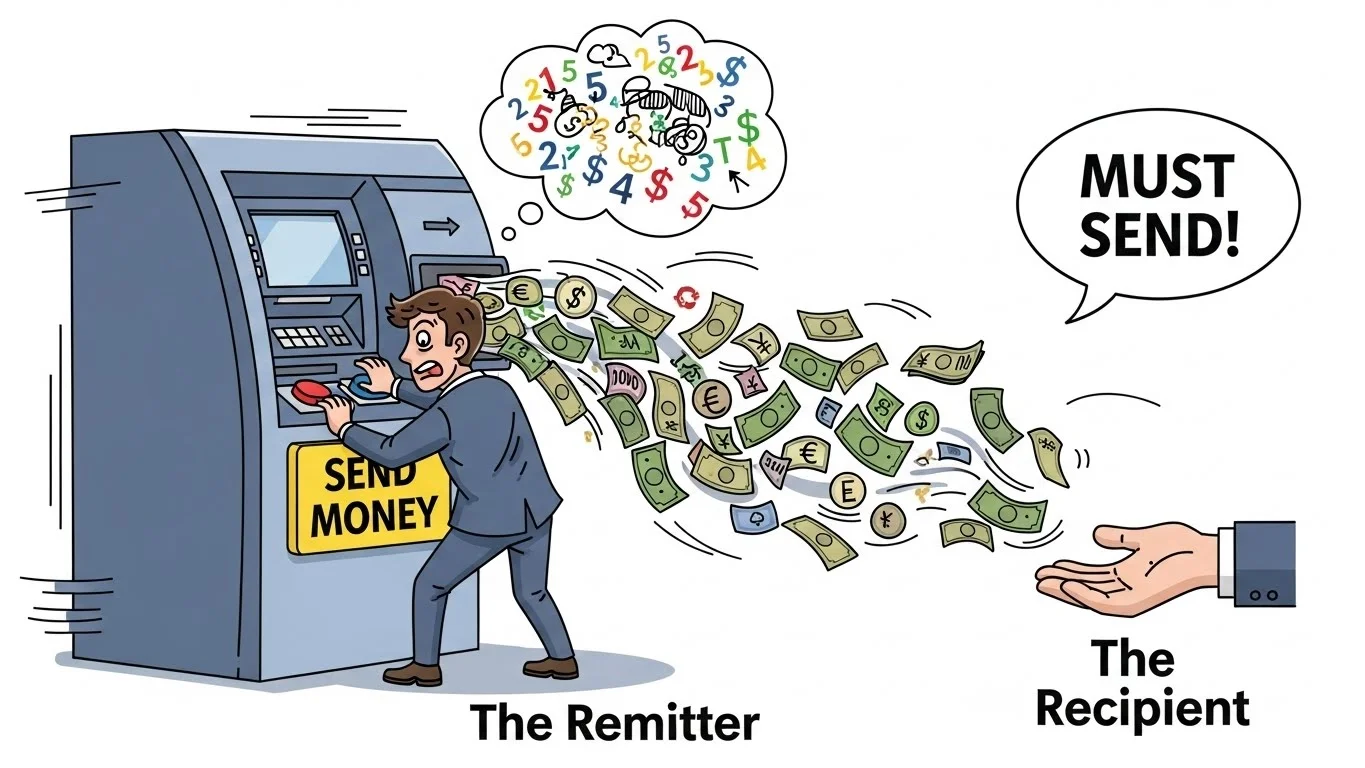
A remitter is a person or entity who sends money to someone else.
In simple words, the remitter is the one making the payment or transfer.
Remitter Meaning in Banking
In banking, the remitter:
Initiates a transaction
Transfers funds to a beneficiary
Can be an individual or a business
Example:
“If John sends $500 to Sarah, John is the remitter.”
Remitter Meaning in Money Transfers
In money transfer services (like wire transfers, online banking, or remittance services):
The remitter is the sender of funds
The recipient is called the beneficiary or payee
Example:
“When using Western Union, the remitter fills out the form to send money abroad.”
Remitter Meaning in Legal Context
Legally, a remitter:
Has the responsibility to ensure payment is accurate
Initiates a legally binding financial transaction
May have documentation proving the transaction
This helps in tracking financial accountability.
Remitter Meaning in Daily Life
In everyday life, a remitter could be:
A parent sending allowance to a child
An employee sending rent to a landlord
A friend transferring money via mobile apps
It simply identifies the sender of money.
Remitter Meaning in Business
In business transactions, a remitter:
Pays invoices or bills
Sends payments to vendors or service providers
Initiates financial transactions in contracts
This ensures clarity in bookkeeping and audits.
Remitter Meaning vs Beneficiary
Remitter: Sends money
Beneficiary: Receives money
Understanding the difference is essential in banking and legal contexts.

Remitter Meaning in Cheques
On a cheque:
The remitter is the person who writes and signs the cheque
The bank processes the cheque for the beneficiary
It is important for record-keeping and proof of payment.
Remitter Meaning in Digital Payments
In digital payments, the remitter:
Initiates transactions via apps like PayPal, Venmo, or bank apps
Provides payment details and authorization
May receive receipts or confirmation
It is the sender in all forms of digital money transfer.
Common Misunderstandings About Remitter Meaning
Some confuse remitter with recipient; the remitter always sends money.
Others think it is only used in banks; it applies to any financial transaction.
It does not refer to a bank itself, but the individual or entity initiating the transfer.
How to Identify a Remitter
You can identify the remitter by:
Checking the sender details in a transaction
Looking at the payment source
Reading transaction records or receipts
Why Remitter Matters
Understanding who the remitter is:
Ensures transparency in financial transactions
Helps resolve disputes in payments
Assists in record-keeping and accounting
Summary of Remitter Meaning
A remitter is:
The person or entity sending money
Responsible for initiating payments or transfers
Central to banking, business, and personal finance transactions