


What Does Remit Payment Mean in Simple Terms
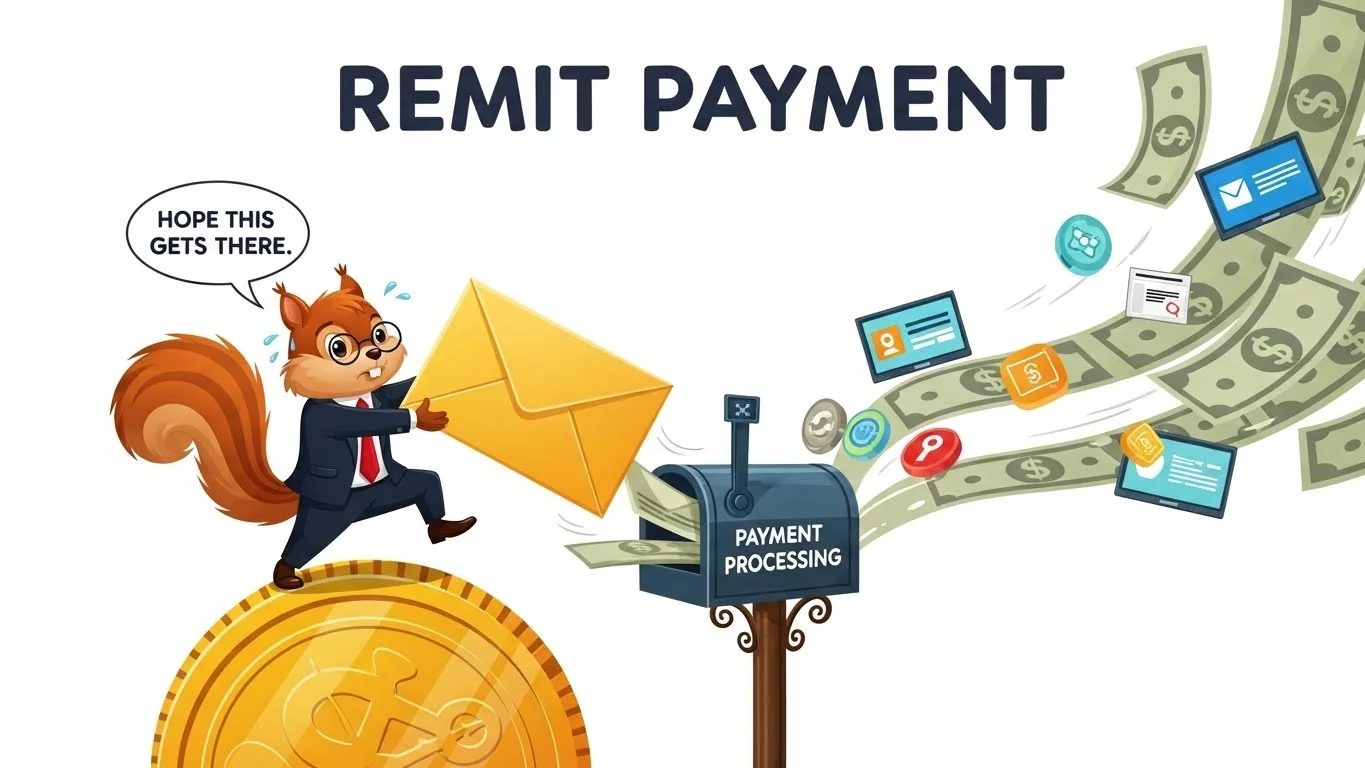
In simple terms, to remit payment means to send money to someone you owe.
Remit Payment Meaning in Billing
In billing, “remit payment” instructs the recipient to pay the stated amount using an approved method.
Remit Payment Meaning in Business
In business, remitting payment refers to transferring funds to suppliers, vendors, or service providers.
Remit Payment Meaning in Banking
In banking, remittance involves sending funds electronically, by check, or through wire transfer.
Remit Payment Meaning in Invoices
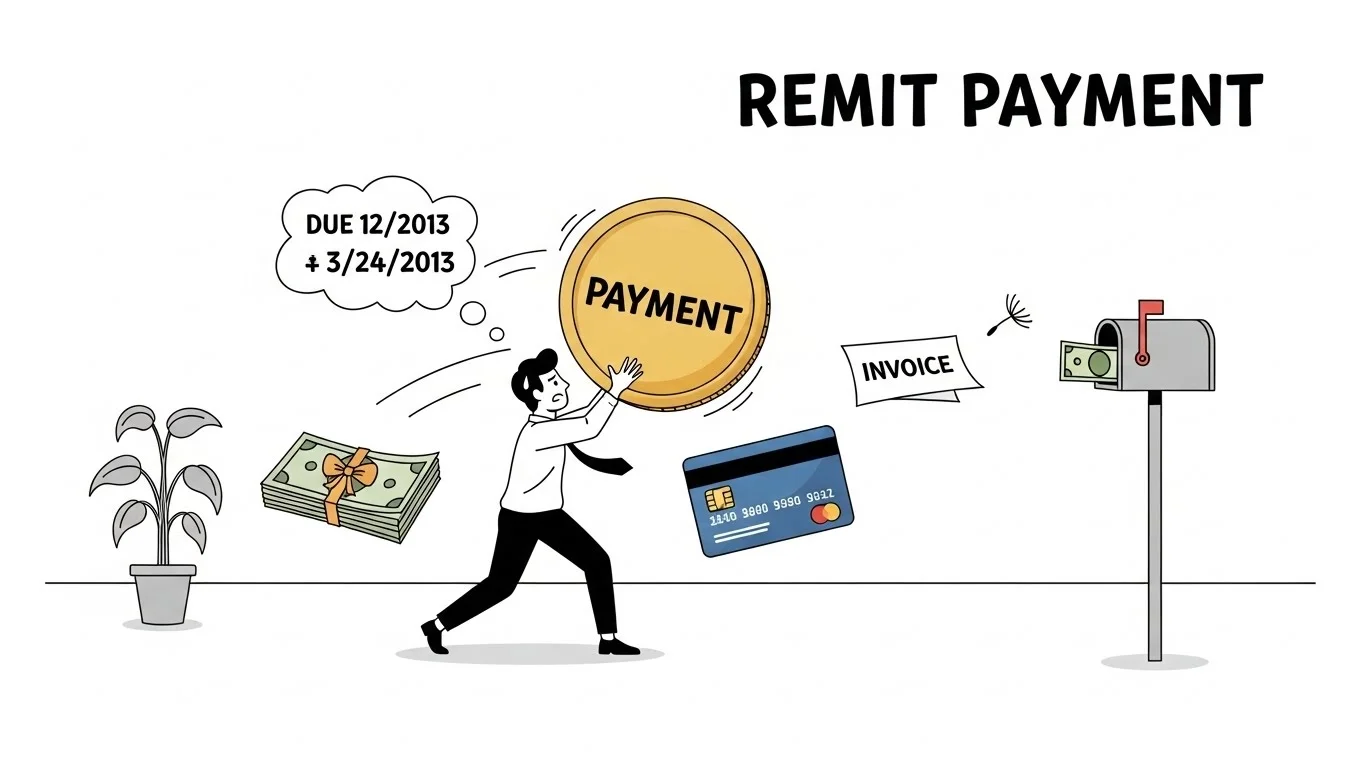
On invoices, “please remit payment” means the sender is requesting settlement of the bill.
Remit Payment Meaning in Daily Life
In everyday use, it simply means paying what you owe, such as rent, fees, or utility bills.
Remit Payment Meaning in Online Payments
Online, remitting payment usually involves digital transfers, cards, or mobile payment platforms.
Common Ways to Remit Payment
Payments can be remitted via bank transfer, check, cash, online portals, or payment apps.
Remit Payment Meaning in International Transactions
In international contexts, remitting payment may include currency exchange and cross-border transfers.
Remit Payment Meaning in Legal Documents
Legal documents use “remit payment” to clearly state financial obligations and deadlines.
Common Misunderstandings About Remit Payment
Many people mistakenly think “remit” means delay, but it actually means to send payment.
Difference Between Remit and Pay
“Pay” is informal, while “remit payment” is a more formal business or legal term.
Difference Between Remit Payment and Refund
Remitting payment means sending money owed, while a refund returns money already paid.
Remit Payment Meaning in Accounting
In accounting, remitted payments are recorded as settled transactions or cleared receivables.
Remit Payment Meaning for Customers
For customers, it signals that payment is due and explains how to submit it.
Remit Payment Meaning for Businesses
For businesses, it ensures clarity in billing and improves cash flow tracking.
How to Remit Payment Correctly
Follow the instructions on the invoice, include references, and use approved payment methods.
When Remitting Payment Is Required
Payment is required by the due date listed on the invoice or agreement.
Why Remit Payment Wording Is Used
The phrase is used for clarity, formality, and legal accuracy in financial communication.
Why Understanding Remit Payment Matters
Understanding the remit payment meaning prevents missed payments, penalties, and confusion.