
What Does PVC Meaning
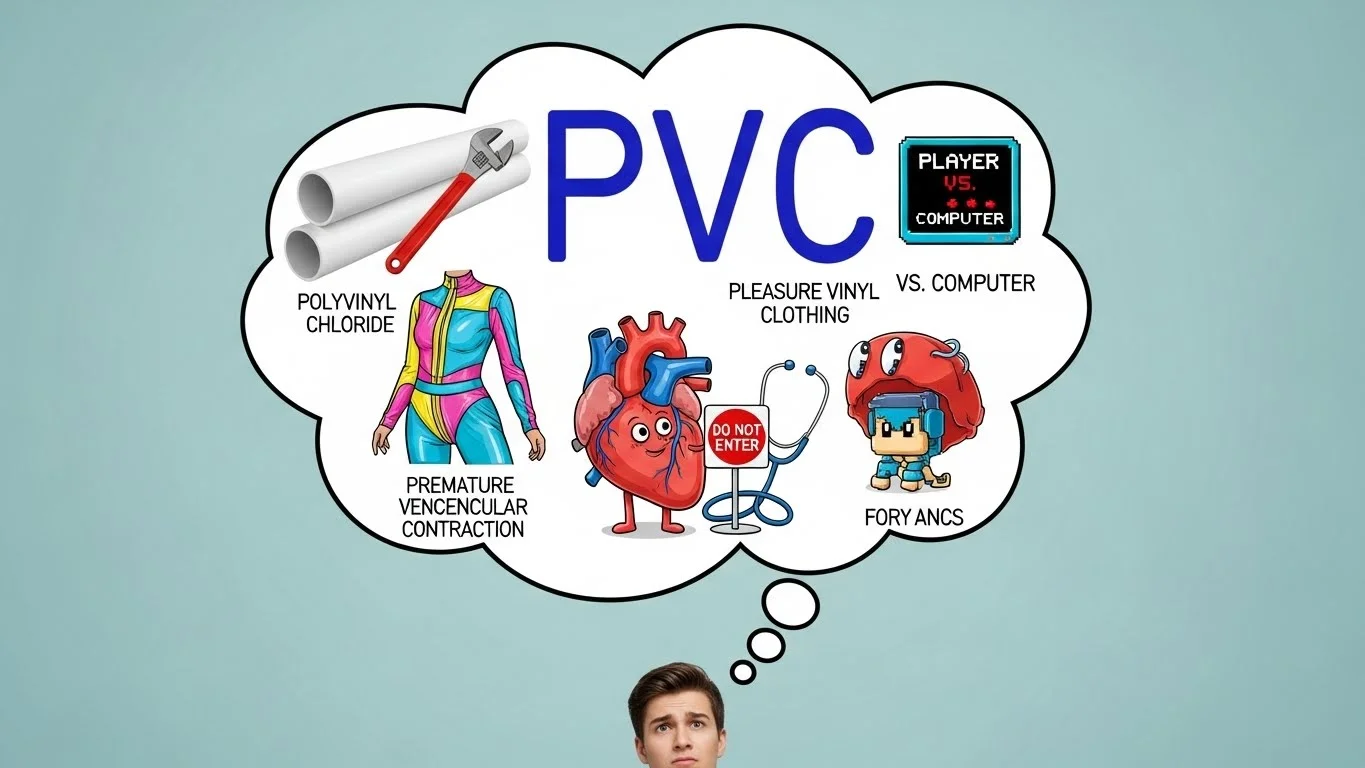
• Stands for Polyvinyl Chloride
• A widely used synthetic plastic material
• Known for durability and versatility
Origin of PVC Meaning
• Developed in the early 20th century
• Created from polymerizing vinyl chloride
• Industrial use expanded in the 1930s–1940s
PVC Meaning in Simple Terms
• A plastic material used in many products
• Lightweight, strong, and long-lasting
• Can be rigid or flexible
Types of PVC
• Rigid PVC (used in pipes, windows)
• Flexible PVC (used in cables, flooring)
• Modified PVC for specialized applications
PVC in Construction
• Pipes for water supply and drainage
• Window frames and doors
• Insulation for electrical cables
PVC in Daily Life
• Raincoats and shoes
• Packaging and containers
• Flooring and furniture
Advantages of PVC
• Resistant to corrosion and chemicals
• Lightweight and easy to install
• Low maintenance and cost-effective
Disadvantages of PVC
• Can release harmful chemicals if burned
• Less environmentally friendly
• Not suitable for high-temperature applications
PVC vs Other Plastics
• More durable than PE or PP in some uses
• Cost-effective compared to metals
• Flexible options for specific applications
PVC in Industrial Use
• Pipes, fittings, and tubing
• Electrical insulation
• Packaging films and sheets
PVC in Medical Applications
• IV bags and tubing
• Catheters and medical devices
• Flexible, sterilizable, and durable
Common Misunderstandings About PVC
• Not all plastics are PVC
• Flexible PVC is different from rigid PVC
• Not always safe at high heat
Environmental Impact of PVC
• Recycling is possible but limited
• Produces toxic chemicals if incinerated
• Alternatives are emerging in eco-friendly industries
Examples of PVC Usage
• Water supply pipes
• Cable insulation
• Flooring, raincoats, and packaging
When to Use the Term PVC
• Talking about construction or plumbing
• Referring to plastic materials
• Explaining industrial or daily applications