
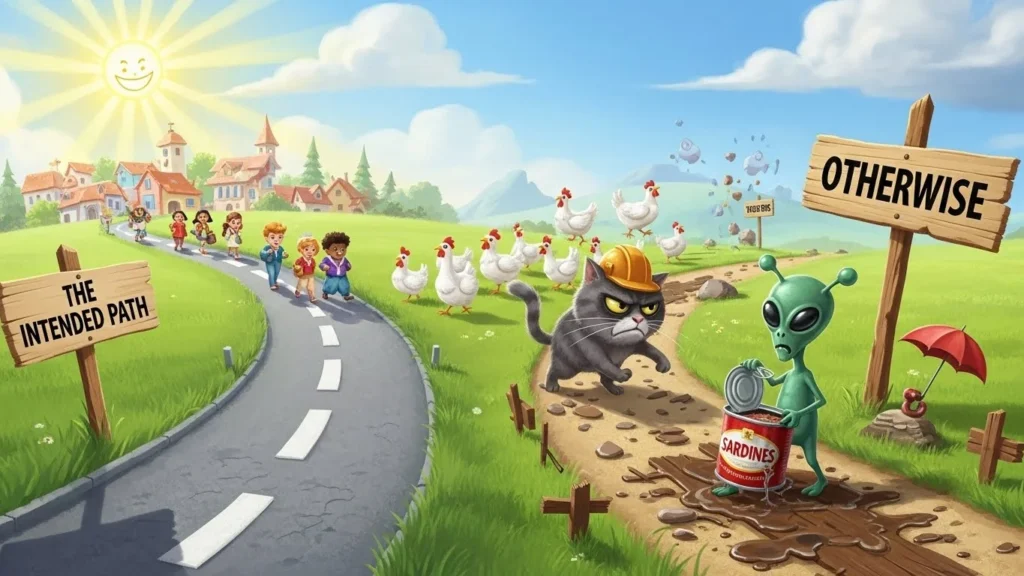

What Does Otherwise Mean
• In a different way or manner
• If not; under different conditions
• Apart from what has been stated
Origin of the Word Otherwise
• Derived from Middle English
• Formed from “other” and “wise”
• Originally meant “in another way”
Otherwise Meaning in Simple Words 2026
The otherwise meaning is “if not” or “in a different way or situation.”
It is used to talk about:
An alternative situation
A result that happens if something does not occur
A different condition
Example:
Wear a jacket, otherwise you will feel cold.
What Does Otherwise Mean in Grammar 2026
In grammar, “otherwise” functions as an adverb.
It connects ideas by showing:
A condition
A contrast
A consequence
It helps sentences sound clearer and more complete.
Otherwise Meaning as “If Not” 2026
One common use of otherwise means “if this does not happen.”
Example:
Finish your homework, otherwise you can’t go out.
This use shows a result or warning.
Otherwise in Simple Terms
• Means “if not this, then that”
• Shows an alternative or exception
• Adds contrast to a statement
Otherwise in Daily Life
• Used in everyday conversation
• Helps explain consequences
• Clarifies conditions or choices
Otherwise in Sentences
• “Hurry up, otherwise meaning we’ll be late.”
• “The plan is good, otherwise unchanged.”
• “I would help, otherwise I’m busy.”
Otherwise as a Conditional Word
• Introduces a possible outcome
• Shows what happens if conditions fail
• Common in instructions and warnings
Otherwise in Formal Writing
• Used in academic and professional texts
• Clarifies exceptions or contrasts
• Improves sentence precision

Otherwise in Casual Conversation
• Appears in spoken English
• Often shortens explanations
• Makes speech sound natural
Emotional Meaning of Otherwise
• Can imply warning or caution
• Sometimes suggests limitation
• Often neutral in tone
Otherwise vs Else
• Otherwise implies contrast or condition
• Else refers to a different option
• Otherwise is more explanatory
Otherwise as a Conditional Word
• Introduces a possible outcome
• Shows what happens if conditions fail
• Common in instructions and warnings
Common Misunderstandings About Otherwise
• Not always negative
• Can refer to conditions or descriptions
• Meaning depends on sentence structure
When to Use Otherwise
• Explaining consequences
• Showing contrast or exception
• Offering alternative situations
Otherwise in Modern Usage
• Common in emails and messages
• Used in instructions and policies
• Appears frequently in online writing
Importance of Understanding Otherwise
• Improves grammar accuracy
• Enhances clear communication
• Prevents misunderstanding
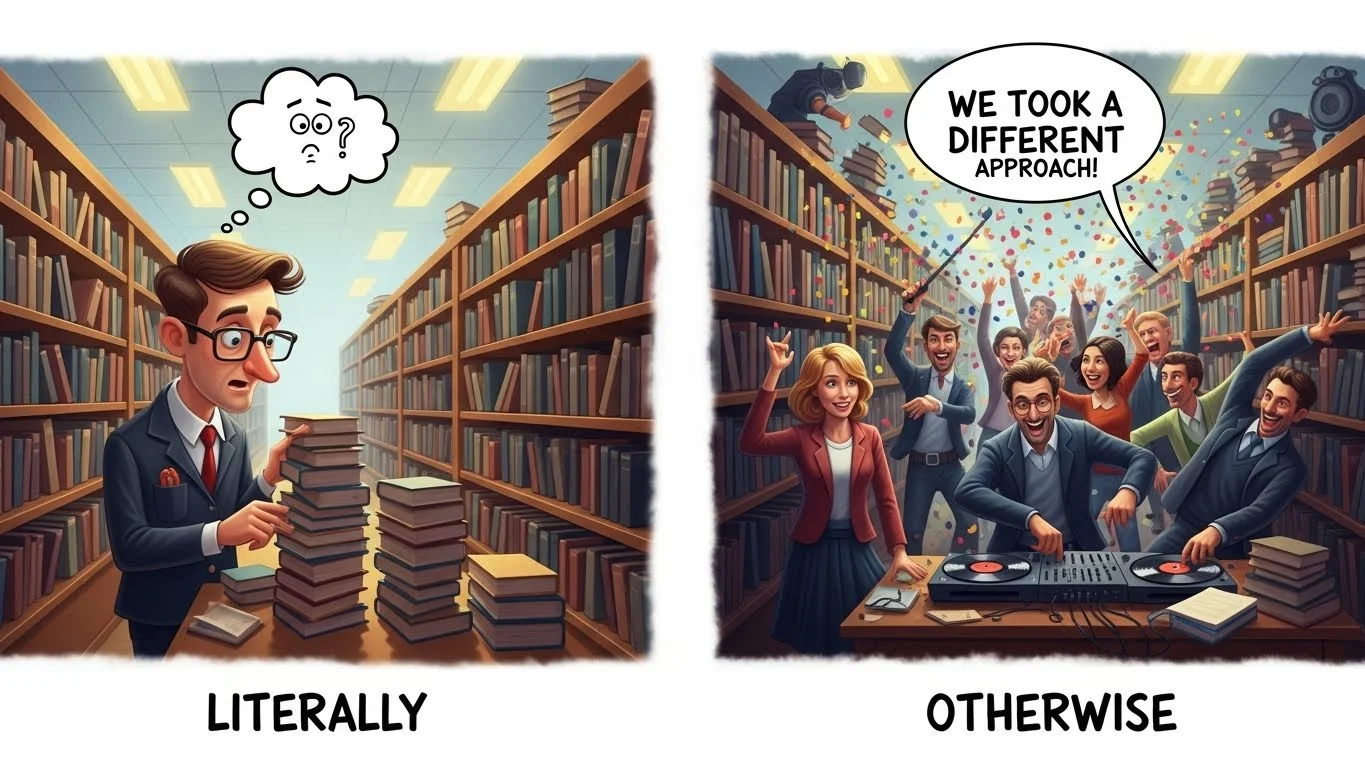
Why Otherwise Matters
• Helps explain choices and outcomes
• Adds clarity to instructions
• Strengthens sentence structure