
Old Habits Die Hard Meaning in Simple Terms
In simple terms, old habits die hard means that behaviors or routines people have followed for a long time are difficult to change, even if they want to.
Origin of the Phrase
The phrase has been used in English for centuries and reflects:
Observations about human behavior
Challenges in breaking repetitive actions
The idea that habits are deeply ingrained
It is widely recognized in literature, psychology, and daily speech.
Psychological Explanation
From a psychological perspective:
Habits form strong neural pathways in the brain
Repeating a behavior reinforces it
Breaking a habit requires conscious effort and time
This explains why old habits are hard to change.
Examples of Old Habits Die Hard in Daily Life
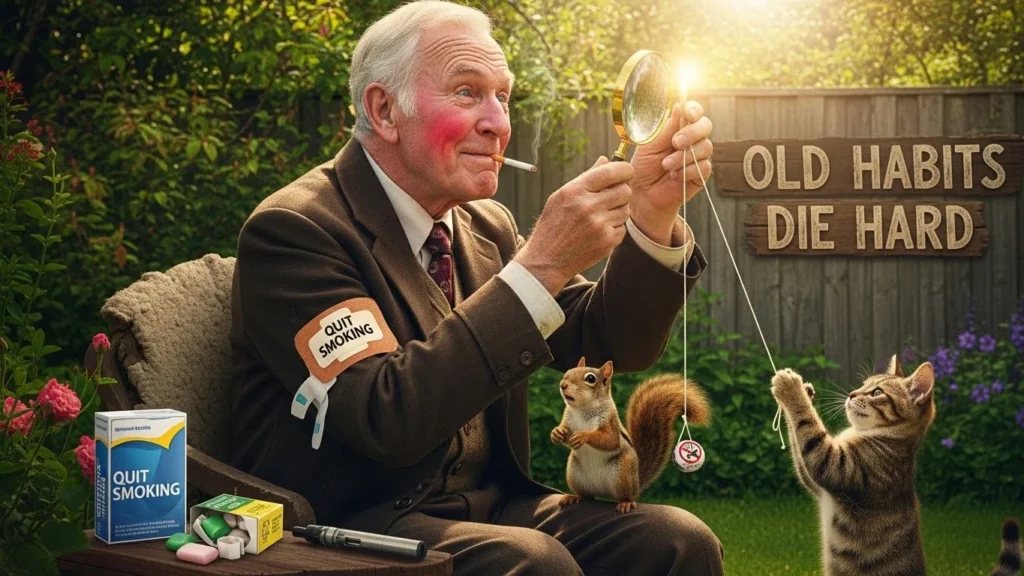
Smoking despite health warnings
Procrastinating at work or school
Overeating comfort food
Checking a phone constantly
These habits persist because they are familiar and comforting.
Old Habits Die Hard in Relationships
Reacting emotionally in familiar ways
Using long-standing communication patterns
Returning to familiar routines during conflict
Understanding this helps improve personal growth and relationships.
Old Habits Die Hard in Professional Life
In workplaces:
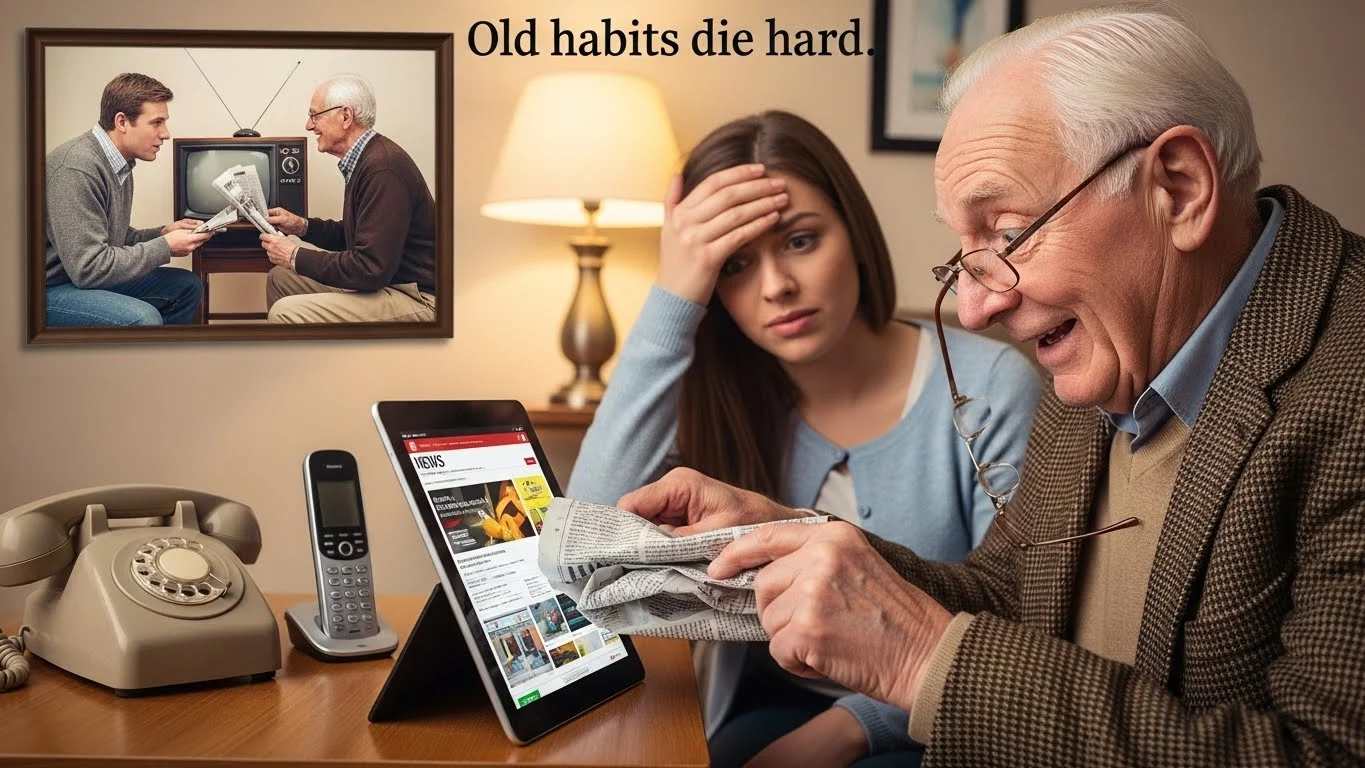
Employees may resist new tools or methods
Managers may stick to traditional leadership styles
Teams may rely on outdated processes
Recognizing the proverb helps encourage gradual adaptation.
Common Misunderstandings About the Phrase
It doesn’t mean change is impossible
It’s not about personality flaws
It applies to both positive and negative habits
The phrase simply highlights difficulty, not hopelessness.
Examples of Old Habits Die Hard in Sentences
“He tried to eat healthy, but old habits die hard.”
“Old habits die hard, so be patient when changing routines.”
“Even after years of training, old habits die hard in some athletes.”
Tips for Overcoming Old Habits
Recognize triggers for the habit
Replace old routines with new ones
Practice consistently and patiently
Seek support from others
Reward progress to reinforce change
Breaking old habits requires effort and persistence.

Why Understanding Old Habits Die Hard Meaning Matters
Knowing the old habits die hard meaning helps:
Accept human behavior realistically
Encourage patience during self-improvement
Apply strategies to personal, professional, and social life
Communicate ideas about habit change effectively