
Mucus Meaning in Simple Terms
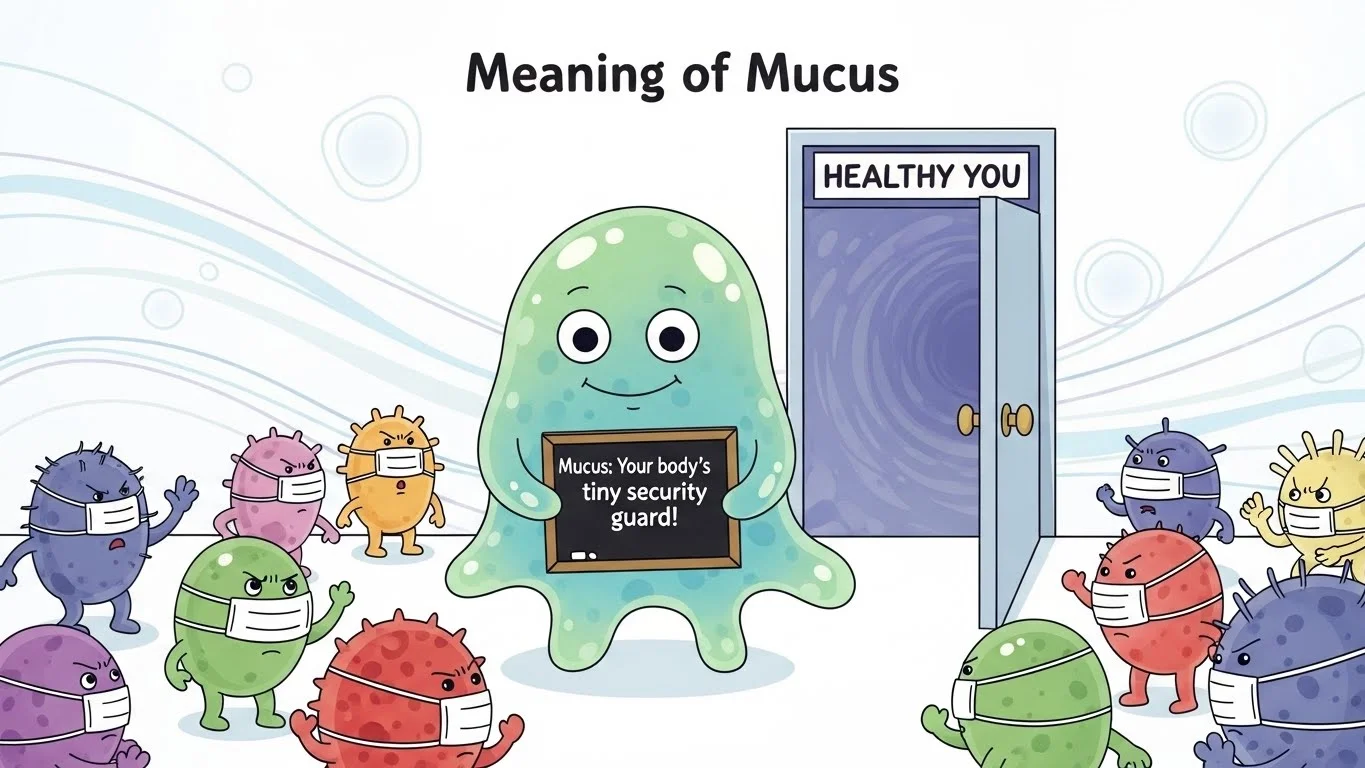
In simple terms, mucus meaning is a slippery, sticky substance produced by the body to protect tissues. It is found in the nose, throat, lungs, digestive tract, and other areas.
Example:
“Runny noses during a cold are caused by excess mucus.”
Function of Mucus
Mucus serves several important functions:
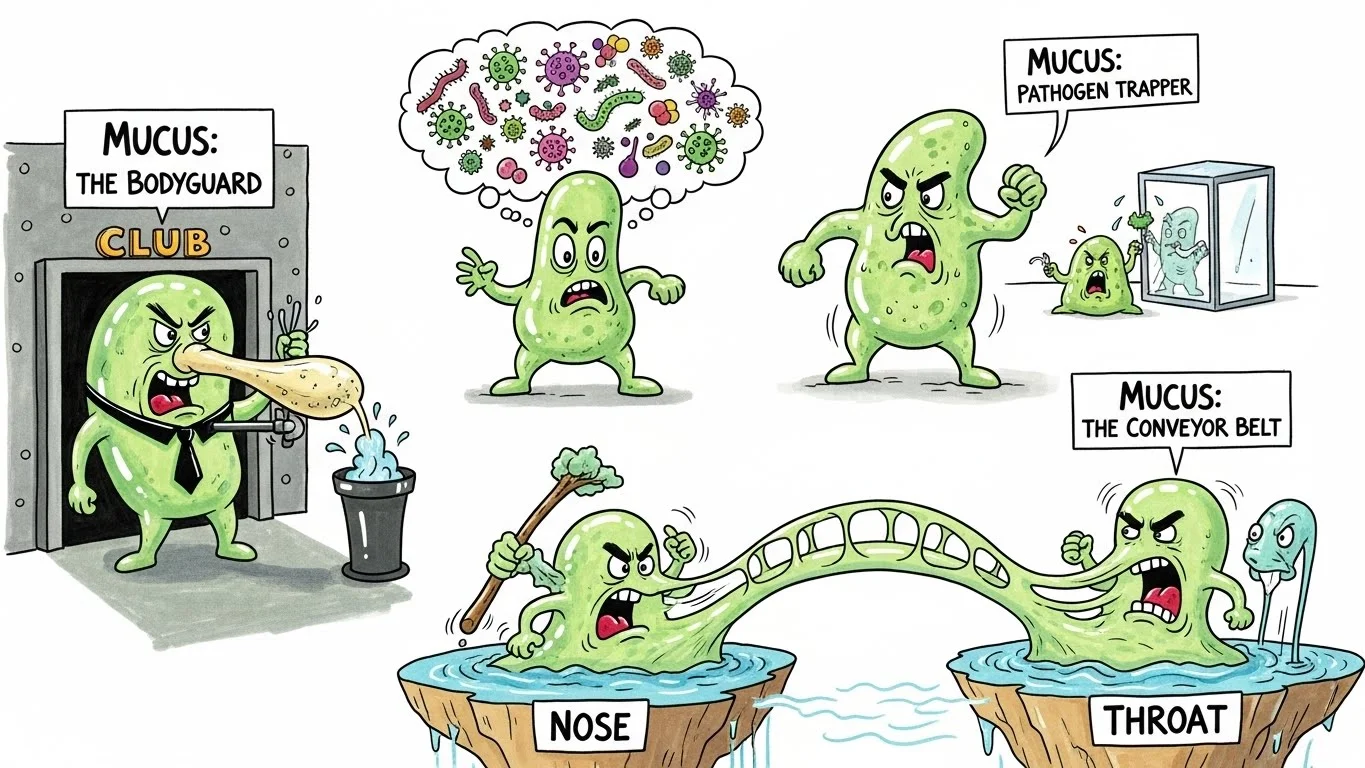
Traps dust, germs, and other particles
Keeps tissues moist
Protects against infections
Facilitates smooth movement in the digestive system
Types of Mucus
Mucus can vary in color and consistency depending on health:
Clear: Normal and healthy
White: Can indicate mild infection or cold
Yellow/Green: Often a sign of bacterial or viral infection
Brown/Red: Could indicate irritation, smoke, or blood
Mucus in the Respiratory System
In the respiratory system, mucus:
Traps inhaled particles and pathogens
Helps keep airways moist
Moves trapped particles to the throat to be expelled
Example:
“Coughing up mucus helps clear the lungs of germs and irritants.”
Mucus in the Digestive System
Mucus in the digestive system:
Protects the lining of the stomach and intestines
Aids smooth passage of food
Prevents irritation from acids and digestive enzymes
Common Causes of Excess Mucus
Excess mucus can be caused by:
Common colds and flu
Allergies and sinus infections
Smoking or pollution exposure
Certain foods or digestive issues
How to Manage Mucus
Tips to manage mucus include:
Staying hydrated to thin mucus
Using saline nasal sprays for congestion
Avoiding irritants like smoke or allergens
Consulting a doctor if mucus is persistent or colored unusually
Examples of Mucus in Sentences
“The doctor explained that mucus helps trap bacteria in the nose.”
“Excess mucus in the throat made it hard to speak.”
“Eating spicy foods can temporarily increase mucus production.”
Summary of Mucus Meaning
Mucus means:
A protective, slippery substance produced by the body
Found in respiratory and digestive systems
Traps germs, keeps tissues moist, and aids bodily functions
Changes in color or amount can indicate health issues