
Maiko Meaning in Simple Terms
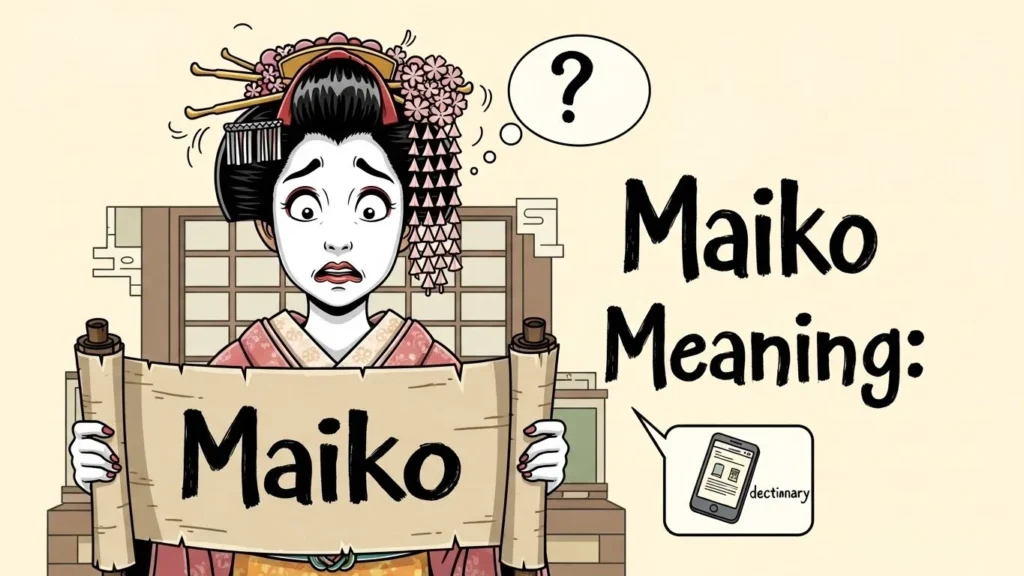
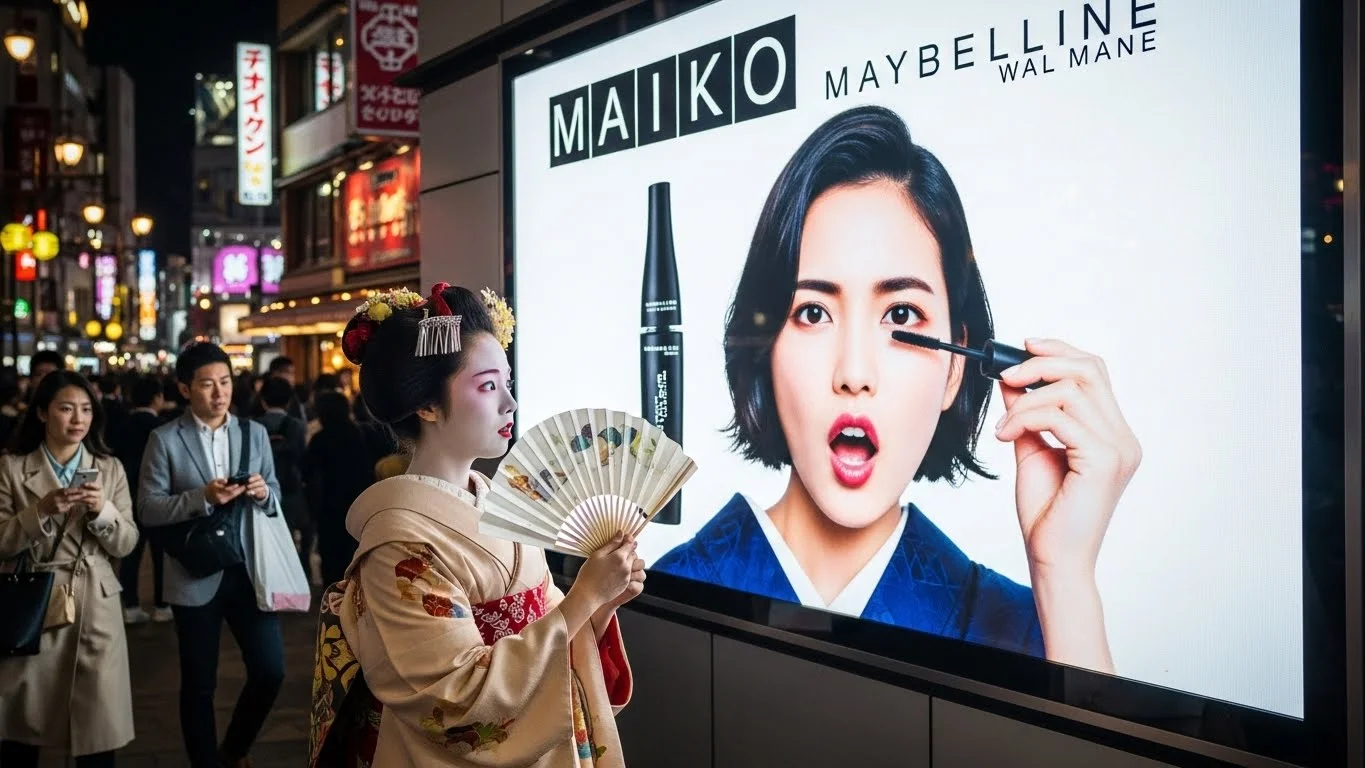
In simple terms, Maiko means a young apprentice geisha in Japan. They are women training in traditional arts, etiquette, and performance before becoming fully-fledged geisha.
Origin of the Term Maiko
The word Maiko literally means “dancing child” in Japanese
Maiko apprenticeship typically begins in adolescence
They are part of Japan’s cultural preservation in Kyoto and other regions
Maiko vs Geisha
Key differences include:
Maiko: Young apprentices, learning arts and etiquette
Geisha: Fully trained professionals
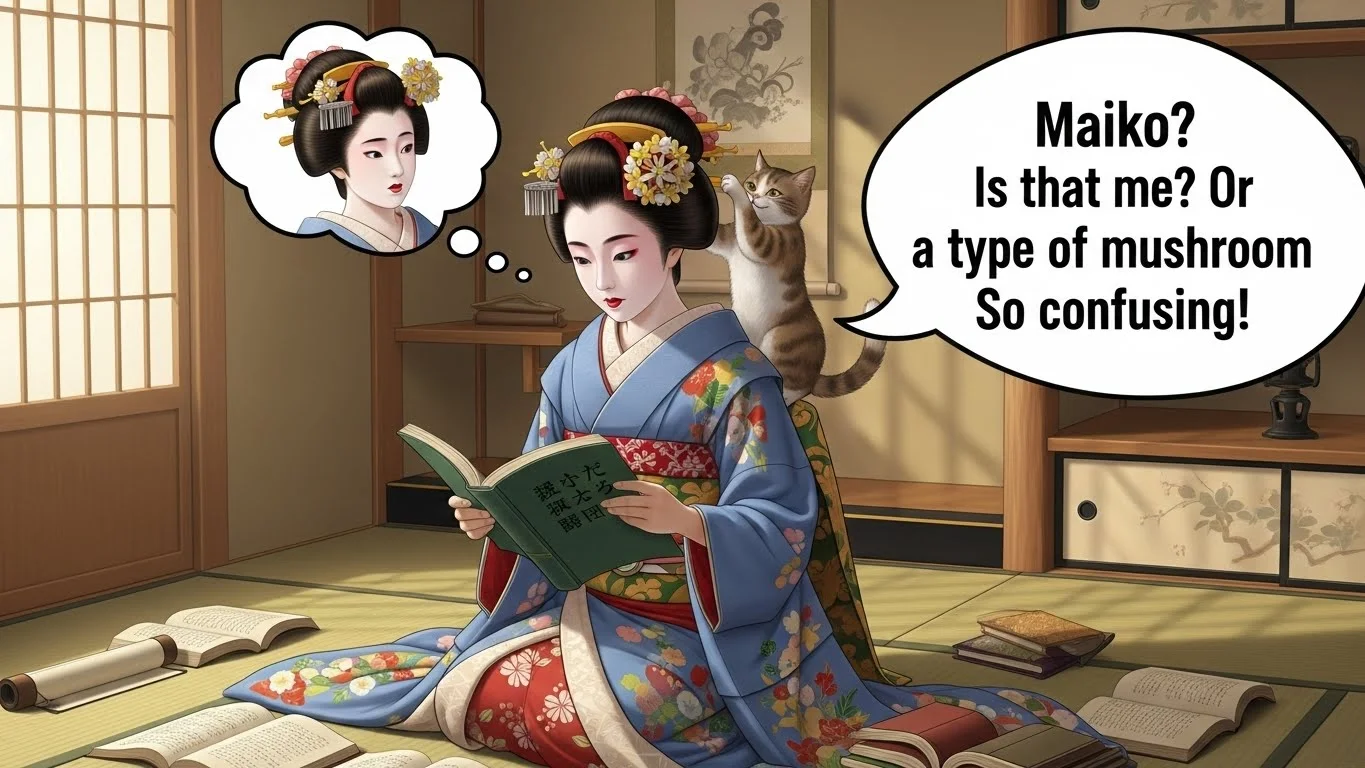
Maiko wear brighter kimono, elaborate hairstyles, and distinctive hair ornaments
Example:
“Maiko are easier to spot than geisha because of their colorful attire.”
Maiko Training and Duties
Maiko training includes:
Traditional dance and music (shamisen)
Tea ceremony and hosting skills
Japanese language, etiquette, and cultural knowledge
They spend years mastering these skills before becoming geisha.
Maiko Kimono and Appearance
Maiko are known for:
Vibrant, long-sleeved kimono
Obi (belt) tied in a special style
Elaborate hair ornaments called kanzashi
White makeup with red and black accents
Appearance distinguishes them from geisha and signals their apprentice status.
Cultural Significance of Maiko
Maiko preserve Japan’s traditional performing arts, contributing to:
Tourism in Kyoto and cultural districts
Performing arts education
Cultural heritage awareness
They symbolize youth, dedication, and tradition.
Modern-Day Maiko
Today, Maiko continue to thrive, though numbers are smaller than in the past.
They often perform at cultural events, ceremonies, and for tourists, keeping Japanese traditions alive.
Common Misunderstandings About Maiko
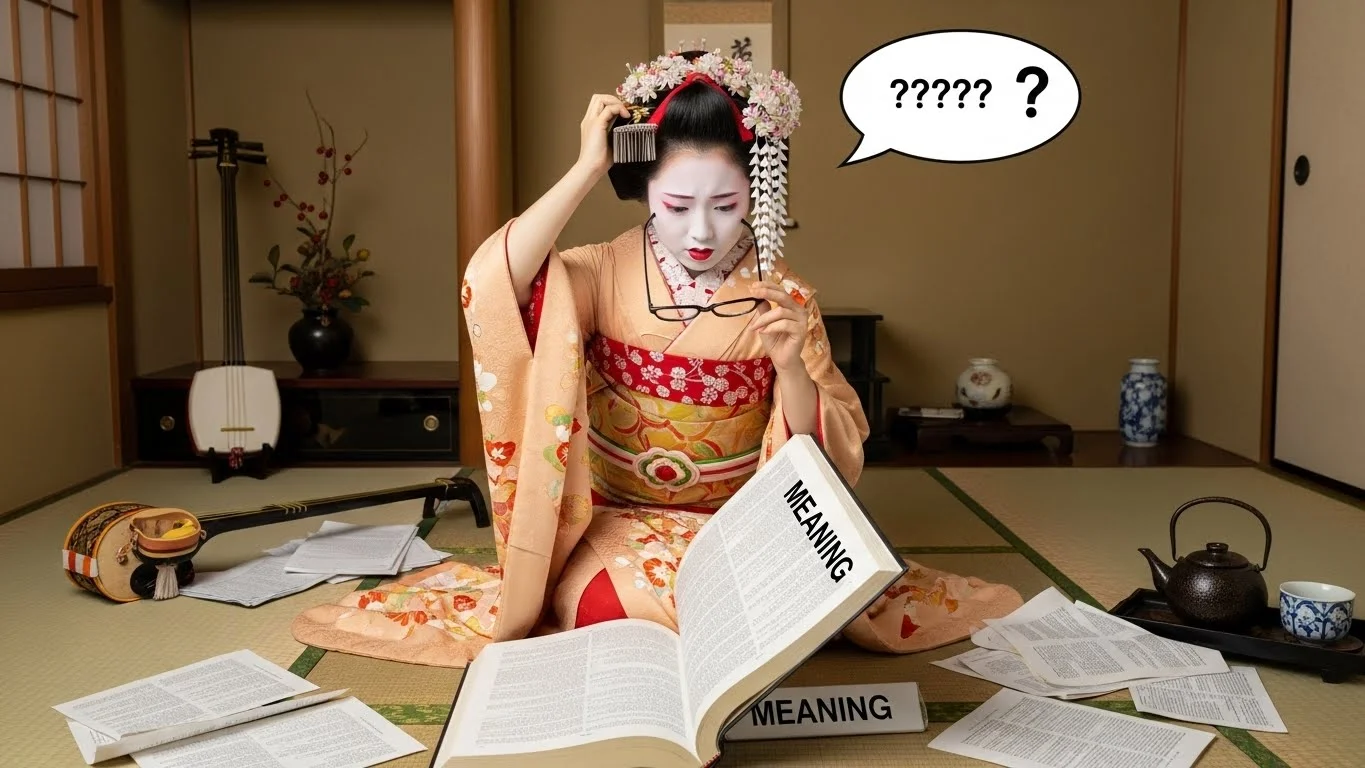
Some confuse Maiko with geisha; Maiko are apprentices, geisha are fully trained
Others think Maiko is a stage name; it is a role and title
Some believe all Maiko are from Kyoto, but other regions also have Maiko training
Summary of Maiko Meaning
Maiko means:
Young apprentice geisha
A symbol of dedication to Japanese arts
Trained in dance, music, etiquette, and culture
Recognizable by colorful kimono and hair ornaments