
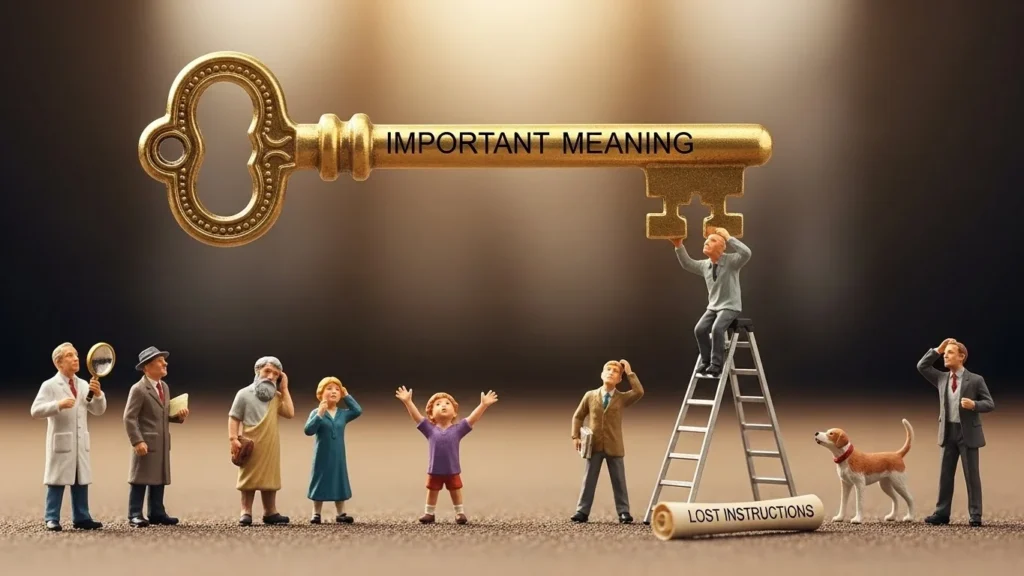

What Does Important Mean in Simple Terms
In simple terms, “important” means something that matters a lot. It refers to things that have value, influence, or need attention.
Important Meaning in Daily Life
In everyday life, people use “important” to describe tasks, events, or people that require care or focus, such as family matters or deadlines.
Important Meaning in Conversations
In conversations, saying something is important signals that it deserves attention or should not be ignored.
Important Meaning in Writing
In writing, the word important emphasizes key ideas, arguments, or information that the reader should focus on.
Important Meaning in Education
In education, important topics are those that students must understand well because they affect learning outcomes or exams.
Important Meaning in Work and Business
In professional settings, important tasks are those that affect goals, performance, or decision-making.
Modern Usage of Important
Today, “important” is widely used in digital communication, emails, and online content to highlight urgency or significance.
Common Misunderstandings About Important
Some people use “important” too loosely. Not everything urgent is truly important, and overuse can weaken its meaning.
Difference Between Important and Urgent
Important refers to value or impact, while urgent refers to time pressure. Something can be urgent without being important.
Difference Between Important and Necessary
Necessary means something is required, while important means it has value or influence. Not all necessary things are equally important.

Important Meaning in Decision Making
In decision-making, important factors are those that influence outcomes and long-term effects.
Important Meaning in Relationships
In relationships, important things include trust, communication, and respect, which help build strong connections.
Emotional Use of Important
Emotionally, people use “important” to express care, priority, or attachment to someone or something.
Important Meaning in Media and News
In media, important stories are those that impact society, safety, or public awareness.
Formal Use of Important
In formal writing, “important” is used carefully to stress key points without sounding exaggerated.
Informal Use of Important
In informal speech, important may be used casually, sometimes to describe personal preferences or opinions.
How to Use Important Correctly in a Sentence
Example: “It is important to follow the instructions carefully to avoid mistakes.”
Why Understanding Important Matters
Understanding the important meaning helps you prioritize tasks, communicate clearly, and make better choices.
Overuse of the Word Important
Overusing the word can reduce its impact. Using it only when necessary makes communication stronger.
Situations Where Important Should Be Avoided
In professional writing, replacing “important” with specific details can improve clarity and authority.