
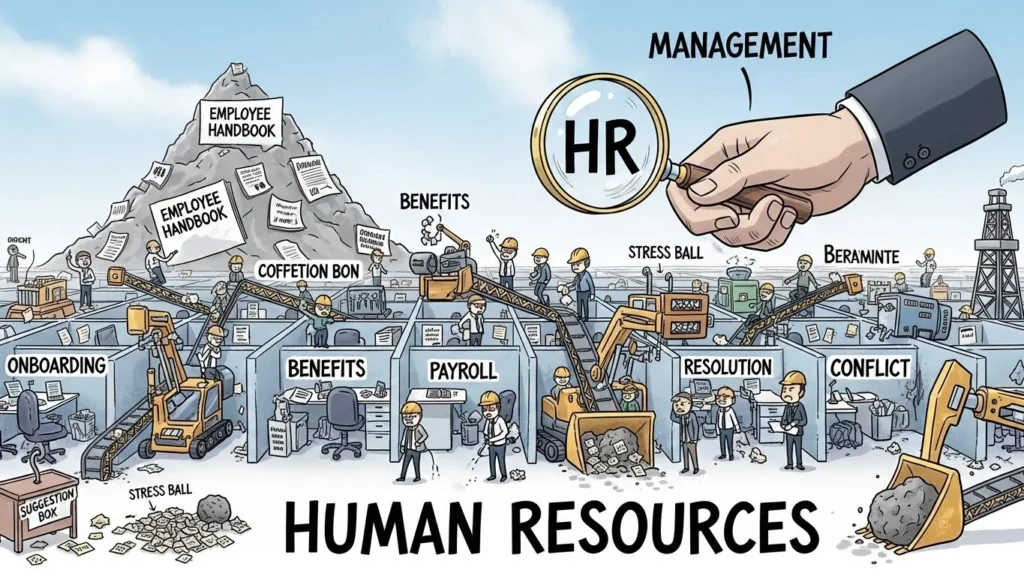

What Does Human Resources Mean in Simple Terms
In simple terms, human resources (HR) refers to the department or function in a company that manages employees and their needs.
Human Resources Meaning in Business
In business, human resources is responsible for hiring, training, employee relations, and compliance.
Human Resources in Job Recruitment
HR manages job postings, applications, interviews, and onboarding of new employees.
Human Resources in Employee Training
Human resources organizes training programs, skill development, and performance management.
Human Resources in Payroll and Benefits
HR handles salaries, bonuses, benefits, and workplace compensation.
Human Resources in Employee Relations
HR resolves conflicts, ensures workplace policies are followed, and maintains a positive work environment.
Human Resources in Compliance
HR ensures the company follows labor laws, health and safety regulations, and organizational policies.
Human Resources in Performance Management
HR evaluates employee performance, sets goals, and manages promotions or disciplinary actions.
Human Resources in Organizational Culture
HR helps shape and maintain a healthy company culture, aligning employees with organizational values.
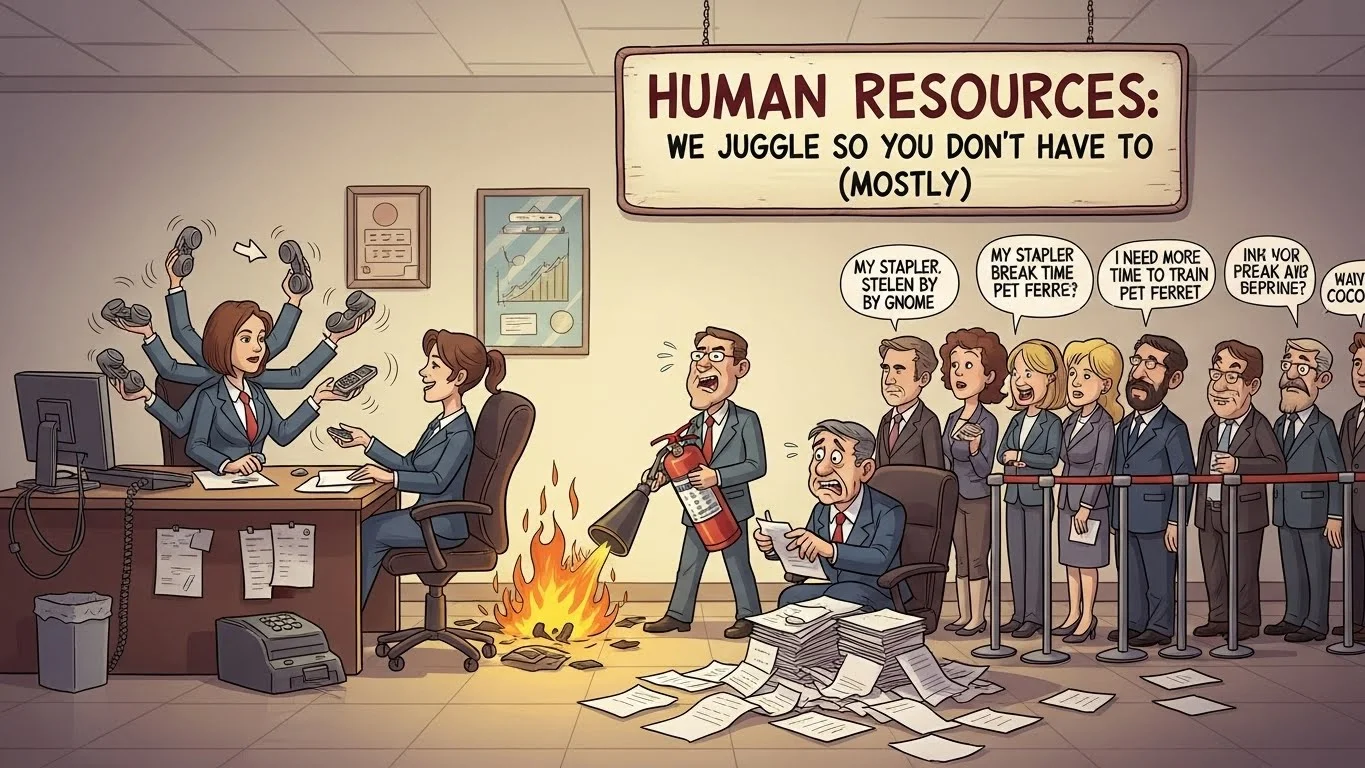
Human Resources Meaning in Modern Workplaces
Modern HR incorporates technology, data analytics, and employee engagement strategies.
Human Resources in Recruitment Process
HR shortlists candidates, coordinates interviews, and communicates with applicants.
Human Resources in Career Development
HR supports career growth through mentoring, training, and internal mobility programs.
Human Resources in Employee Wellbeing
HR promotes physical, mental, and emotional wellbeing initiatives at work.
Common Misunderstandings About Human Resources
Some think HR only handles hiring or firing, but it encompasses a wide range of employee-related functions.
Difference Between Human Resources and Personnel
Personnel focuses narrowly on administrative tasks; HR is strategic, covering broader employee management.
Human Resources in Strategic Planning
HR contributes to long-term business goals by aligning workforce planning with organizational strategy.
How to Use Human Resources in a Sentence
Example: “The human resources department introduced a new training program for employees.”
Human Resources in Small Businesses
Even small businesses rely on HR functions to manage staff, payroll, and compliance.
Human Resources in Large Organizations
In large organizations, HR has specialized teams for recruitment, employee relations, training, and more.

Why Understanding Human Resources Matters
Knowing the human resources meaning helps employees interact effectively with HR, understand workplace policies, and leverage resources for career growth.