


Heed Meaning in Simple Terms
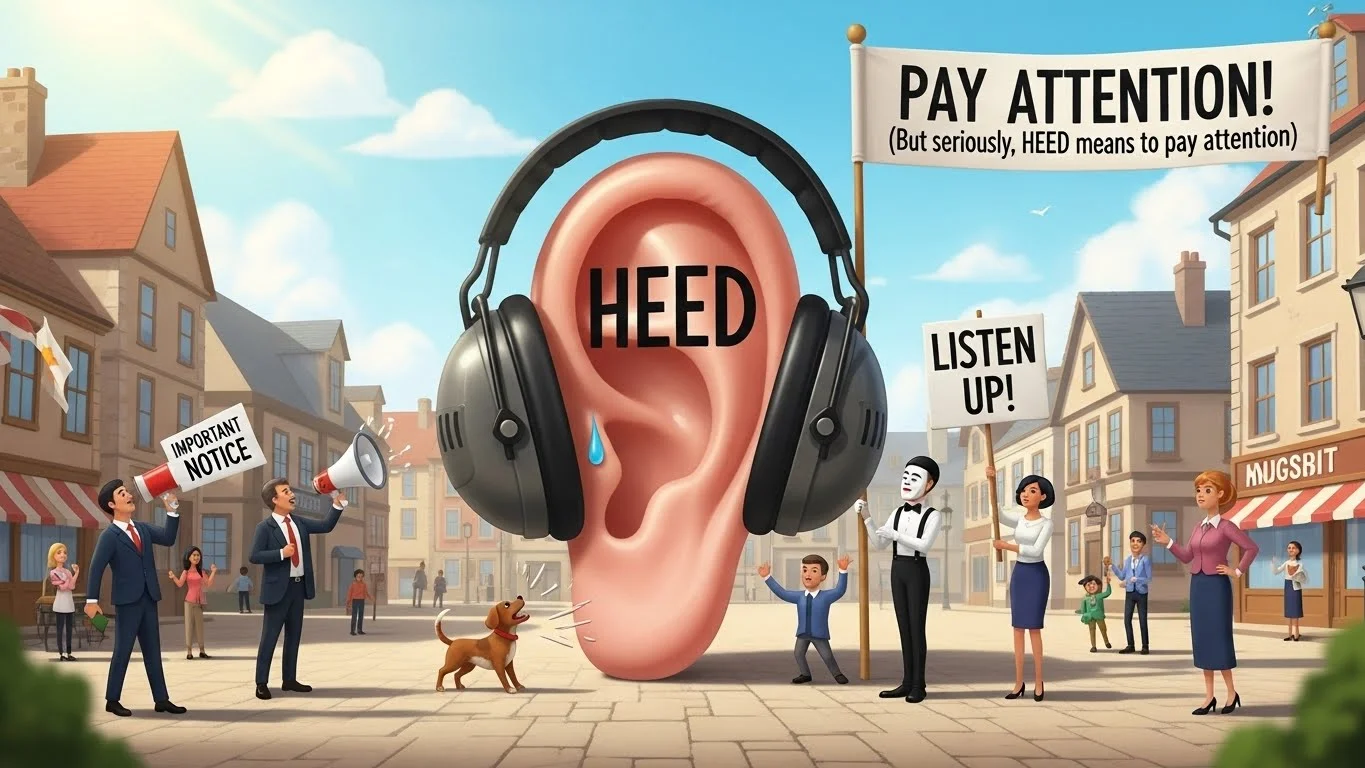
Heed means to pay attention to something or take notice of advice, warnings, or instructions.
In simple words, to heed something is to listen carefully and act accordingly.
Heed Meaning in Daily Life
In everyday life, heed is used when someone wants others to take advice seriously.
Example:
“He ignored the warning instead of heeding it.”
This shows attention was expected but not given.
Heed Meaning as a Verb
Heed is mainly used as a verb. It means:
To listen to
To pay attention to
To follow advice or warnings
Example:
“You should heed your doctor’s advice.”
Heed in Advice and Warnings
Heed is commonly used with advice or caution.
Examples:
Heed the warning signs
Heed professional advice
Heed safety instructions
It emphasizes importance and responsibility.
Heed in Formal English
Heed appears more often in:
Formal writing
News articles
Legal or official language
It sounds more serious than “listen.”
Heed in Modern Usage
Although formal, heed is still used today, especially in:
Public safety messages
Professional communication
Motivational advice
It adds emphasis and authority.
Heed Meaning in Literature
In literature, heed often expresses:
Moral lessons
Consequences of ignoring advice
Wisdom versus recklessness
Characters who fail to heed warnings often face problems.
Heed Meaning in Commands
Heed is sometimes used in commands:
“Heed my words.”
“Heed the rules.”
These phrases signal urgency or importance.
Heed Meaning Compared to Listen
Listen: Hear sounds or words
Heed: Listen and take action
Heeding involves response, not just hearing.
Heed Meaning Compared to Ignore
Heed and ignore are opposites:
Heed means paying attention
Ignore means deliberately not paying attention
They often appear together in contrast.

Common Phrases Using Heed
Popular phrases include:
Heed the warning
Take heed
Fail to heed advice
These phrases are common in written English.
Take Heed Meaning
“Take heed” means:
Be careful
Pay close attention
Act wisely
It is often used as a caution.
Heed Meaning in Professional Settings
In workplaces, heed is used to:
Emphasize safety rules
Stress company policies
Encourage responsibility
Example:
“Employees must heed all safety regulations.”
Heed Meaning in Education
Teachers may use heed when:
Giving instructions
Warning about consequences
Offering guidance
It signals importance and seriousness.
Heed Meaning in Parenting
Parents often use heed when:
Warning children
Teaching discipline
Giving guidance
It shows concern and authority.
Heed Meaning in Moral Contexts
Morally, heed is linked to:
Wisdom
Responsibility
Learning from advice
Ignoring advice is often shown as a mistake.
Common Misunderstandings About Heed Meaning
Some people think heed only means “hear.” In reality, it means to listen and respond appropriately, not just hear words.
How to Use Heed Correctly in a Sentence
Use heed when:
Giving or following advice
Referring to warnings
Writing formally
Example:
“She heeded the warning and stayed inside.”
Why the Word Heed Is Still Used
Heed remains popular because it:
Sounds serious and clear
Expresses responsibility
Works well in formal and advisory language
Summary of Heed Meaning
Heed means:
Paying attention
Taking advice seriously
Acting on warnings or instructions