

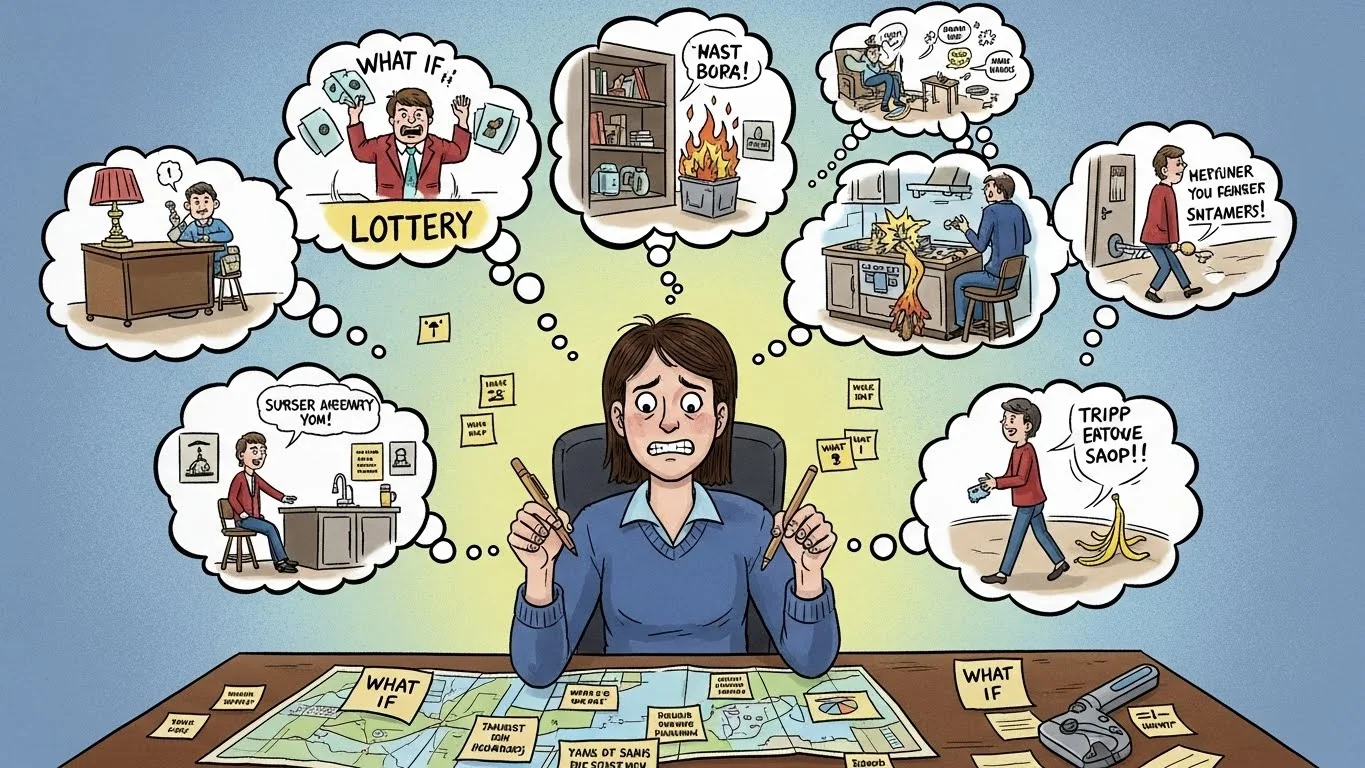
Forethought Meaning in Simple Terms
In simple terms, forethought means careful thinking about something before it happens. It involves planning, anticipating potential problems, and considering outcomes in advance.
Example:
“She showed forethought by packing extra supplies for the trip.”
Importance of Forethought
Forethought is important because it:
Helps prevent mistakes and problems
Improves decision-making
Saves time and resources
Reduces stress by preparing for possible challenges
Forethought in Daily Life
In everyday life, forethought can be applied to:
Planning meals, travel, or events
Preparing for work or school deadlines
Anticipating needs for family or personal tasks
Example:
“His forethought in budgeting made the holiday stress-free.”
Forethought in Business
In business, forethought is crucial for:
Strategic planning
Risk management
Project management and resource allocation
Example:
“Forethought in market analysis helped the company avoid losses.”

Forethought in Education
Students benefit from forethought by:
Planning study schedules
Preparing for exams and assignments
Avoiding last-minute stress
Example:
“Forethought in preparing for the presentation made it successful.”
Common Misunderstandings About Forethought
Thinking forethought is only for complex situations (it applies to daily tasks too)
Confusing forethought with impulsive decision-making (it is the opposite)
Believing forethought guarantees success (it reduces risk but doesn’t eliminate uncertainty)
Examples of Forethought in Sentences
“He acted with forethought, checking all equipment before the hike.”
“Forethought in career planning can lead to long-term success.”
“The architect’s forethought ensured the building was safe and efficient.”

Summary of Forethought Meaning
Forethought means:
Thinking carefully before acting
Planning ahead to prevent problems
Valuable in personal, educational, and professional life
Helps improve decision-making and outcomes