


Dramatic Meaning in Simple Terms
Dramatic refers to something that is exciting, emotional, or theatrical.
In simple words, it describes events, actions, or behavior that attract attention because of intensity or exaggeration.
Dramatic Meaning in Literature and Theater
In literature and theater, dramatic refers to:
Plays, scenes, or situations full of emotion
Conflict and tension that engage the audience
Characters expressing strong feelings
Example:
“The climax of the play was very dramatic, keeping the audience on the edge of their seats.”
Dramatic Meaning in Emotions
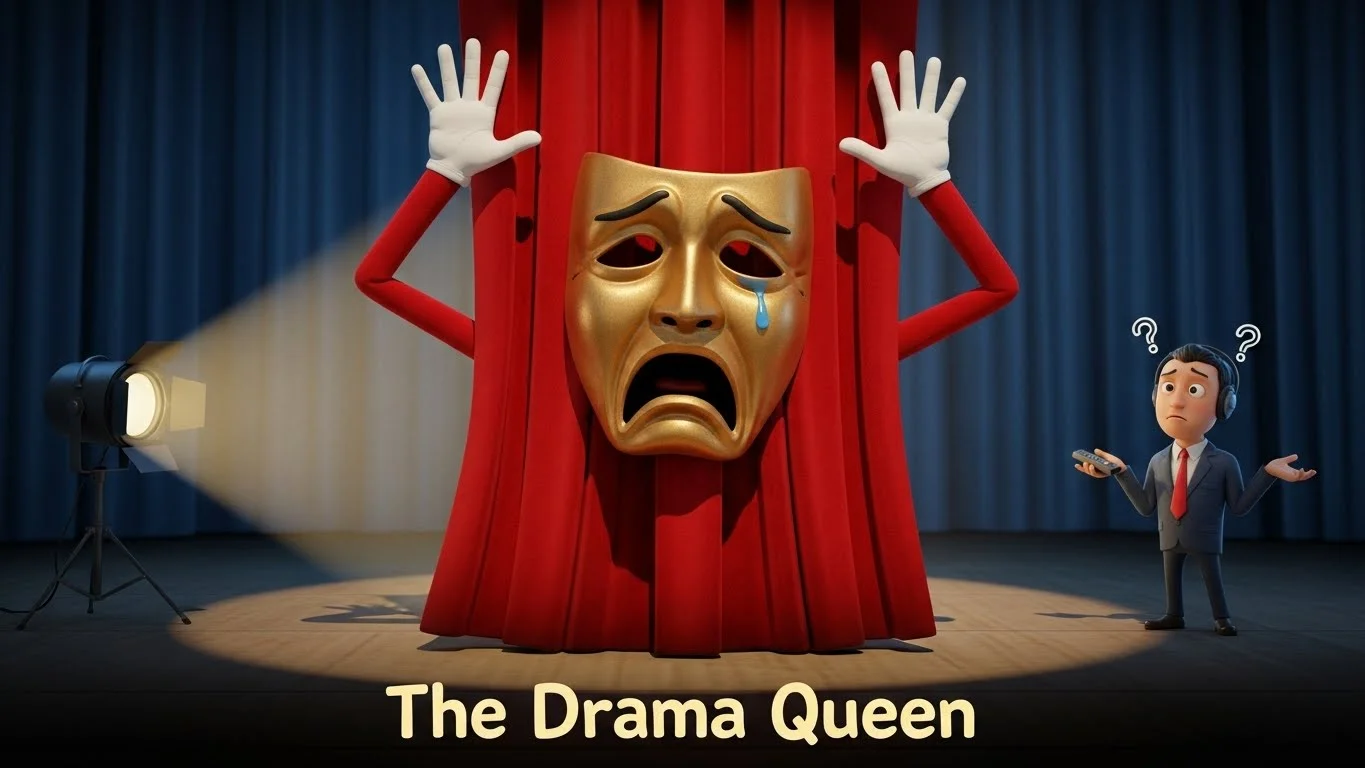
Dramatic can describe strong or exaggerated emotional reactions, such as:
Crying loudly over small issues
Overreacting to minor events
Expressing feelings in an intense way
Example:
“She was dramatic when she found out her favorite show was canceled.”
Dramatic Meaning in Daily Life
In everyday conversations, dramatic often refers to:
Attention-seeking behavior
Exaggerated stories or reactions
Sudden and noticeable changes
Example:
“His dramatic entrance made everyone turn and stare.”
Dramatic Meaning in Fashion and Appearance
Dramatic can also describe:
Bold or striking clothing
Eye-catching makeup or hairstyles
A style meant to attract attention
Example:
“She wore a dramatic red dress that stood out at the party.”
Dramatic Meaning in Figurative Language
Figuratively, dramatic can mean:
Significant or impactful changes
Important events with noticeable effects
Anything that creates a strong impression
Example:
“The new law had a dramatic effect on local businesses.”
Dramatic Meaning in Sports or Action
In sports or action contexts, dramatic may refer to:
Thrilling or suspenseful moments
Unexpected twists in a game
Actions that elicit strong reactions from spectators
Example:
“The last-minute goal was a dramatic moment in the match.”
Dramatic Meaning in Modern Usage
Today, dramatic is often used:
To describe exaggerated reactions on social media
For storytelling in movies, shows, or posts
To emphasize intensity or surprise
Example:
“Her dramatic tweet went viral overnight.”
Common Misunderstandings About Dramatic Meaning
Some think dramatic only applies to theater; it can apply to real-life emotions or events.
Others confuse dramatic with melodramatic; melodramatic is excessively emotional, while dramatic can be simply intense or striking.
How to Identify Dramatic Behavior or Events
Look for:
Intense emotions or reactions
Sudden changes or unexpected moments
Elements designed to capture attention or create impact
Why Understanding Dramatic Matters
Understanding dramatic:
Helps interpret literature, movies, and media
Helps describe events or emotions accurately
Improves communication and expression in daily life

Summary of Dramatic Meaning
Dramatic means:
Exciting, emotional, or intense
Can describe behavior, events, appearance, or storytelling
Used in both literal and figurative contexts