
What Does Convert Mean in Simple Terms
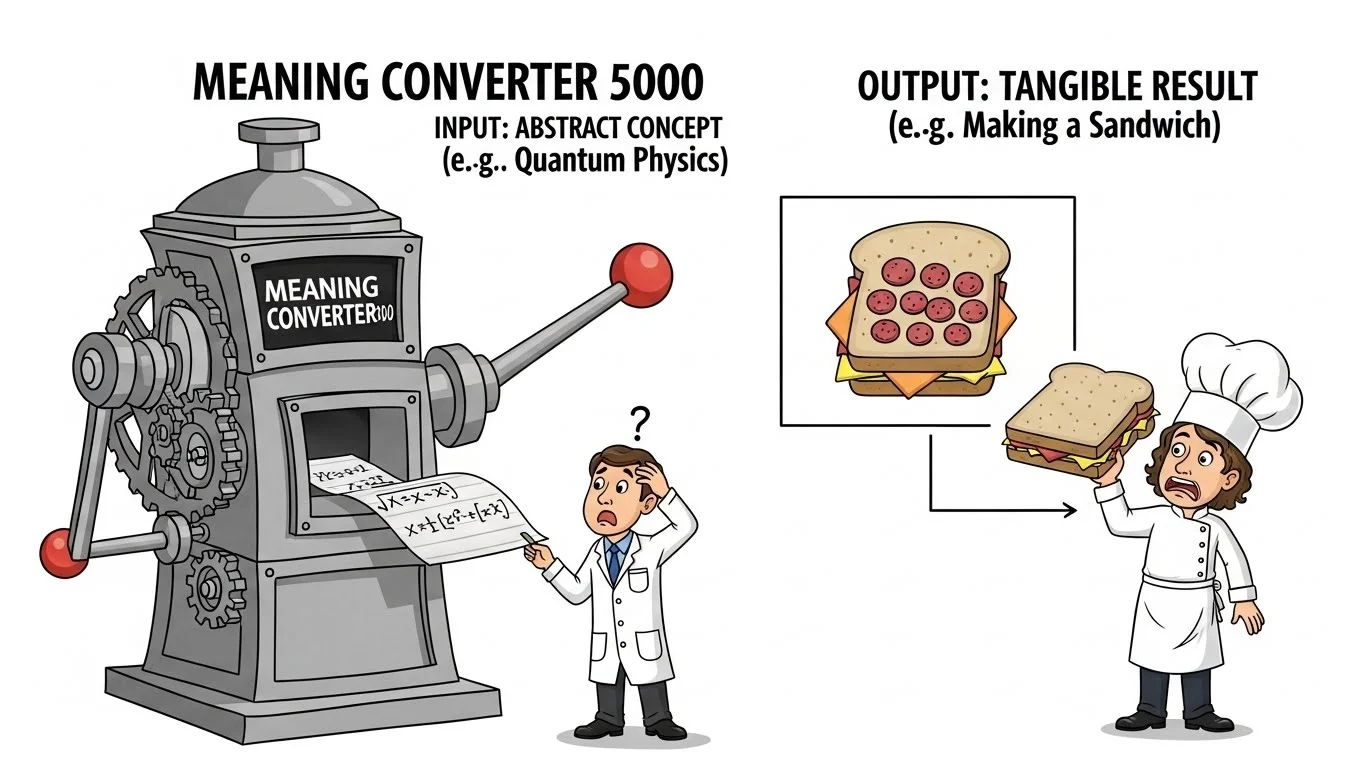
In simple terms, to convert means to change something from one form, state, or belief to another.
Convert in Daily Life
In daily life, convert often describes changing objects, habits, or preferences into something new.
Convert in Religion
In religion, convert means adopting a new faith or belief system.
Convert in Technology
In technology, convert refers to changing data, files, or formats into another compatible form.
Convert in Business
In business, convert can describe turning prospects into customers or resources into usable assets.
Convert Meaning in Education
In education, convert may refer to changing grades, units, or learning methods.
Convert Meaning in Science
In science, convert often means changing measurements, energy forms, or materials.
Convert in Mathematics
In mathematics, convert means changing numbers or units from one form to another.
Convert Meaning in Language
In language, convert can describe changing words, text, or meanings across languages or styles.
Convert Meaning in Finance
In finance, convert may involve exchanging currencies, investments, or financial instruments.
Convert Meaning in Law
In legal contexts, convert can mean unlawfully taking or using someone else’s property.
Common Misunderstandings About Convert
Some confuse convert with replace, but converting involves transformation rather than simple substitution.
Difference Between Convert and Transform
Convert usually implies a clear change from one state to another, while transform suggests a broader or deeper change.
Difference Between Convert and Change
Change is general, while convert often implies a specific, intentional shift.
Convert in Modern Usage
Modern usage includes digital, financial, and social contexts where conversion is measurable or trackable.
How Convert Is Used in Sentences
Example: “She converted the document into a PDF file.”
Convert in Figurative Language
Figuratively, convert can describe changing opinions, attitudes, or perspectives.
Emotional Impact of Converting
Conversion can involve adjustment, commitment, or personal growth depending on context.
When Convert Is Used Correctly
Use convert when something clearly shifts from one form, state, or belief to another.
Why Understanding Convert Matters
Understanding the convert meaning ensures accurate communication across everyday, professional, and technical settings.