

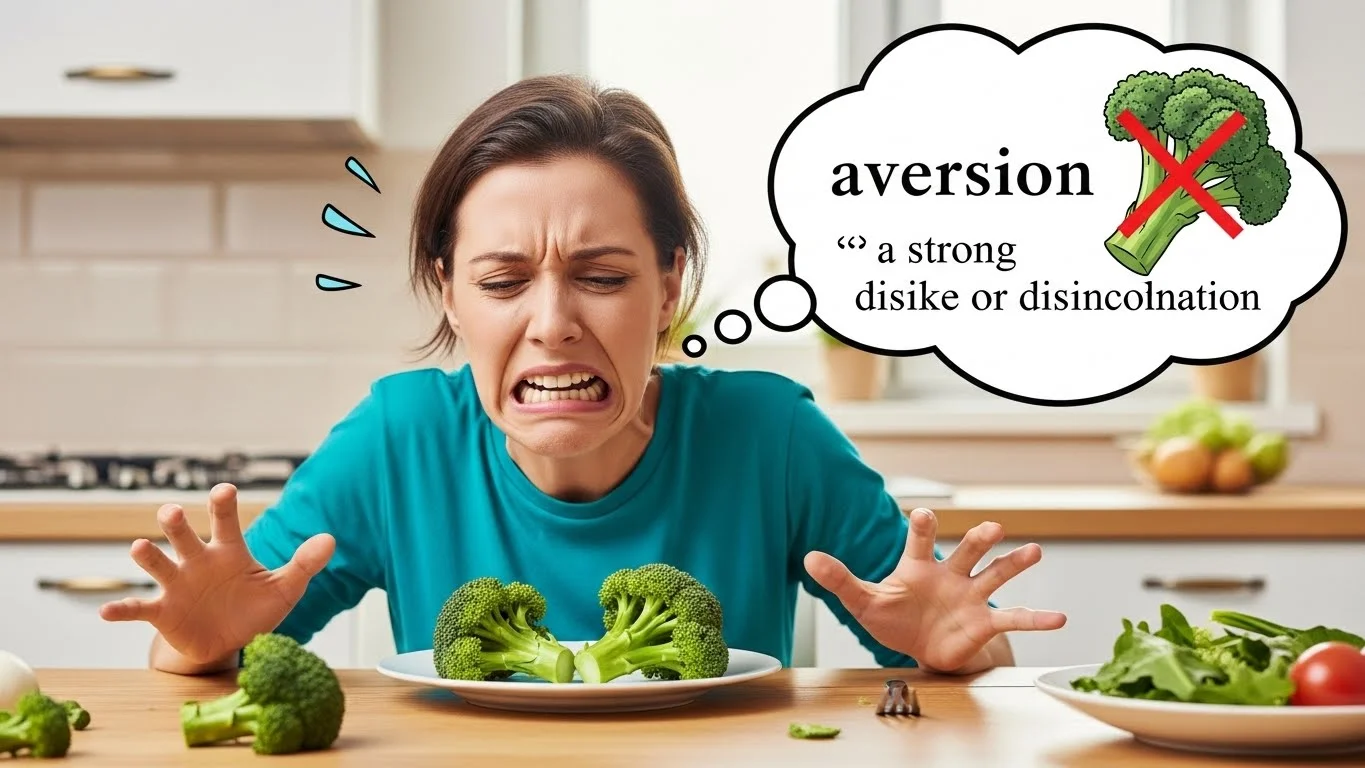
What Does Aversion Mean in Simple Terms
In simple terms, aversion means a strong feeling of dislike or unwillingness toward something.
Aversion Meaning in Daily Life
In daily life, aversion can describe avoiding foods, activities, or situations one finds unpleasant.
Aversion Meaning in Psychology
Psychologically, aversion refers to a learned or natural response to avoid certain experiences or stimuli.
Aversion Meaning in Emotional Contexts
Emotionally, aversion involves feelings of discomfort, repulsion, or avoidance.
Aversion Meaning in Relationships
In relationships, aversion can describe avoidance of behaviors or individuals that cause stress or discomfort.
Aversion Meaning in Workplace
In the workplace, aversion may appear as reluctance toward certain tasks or colleagues.
Aversion Meaning in Health and Safety
Health-wise, aversion can prevent harmful behaviors, such as avoiding unsafe foods or environments.
Aversion Meaning in Education
Students may develop aversion to subjects or learning methods they find difficult or unenjoyable.
Aversion Meaning in Behavioral Studies
In behavioral science, aversion is often studied to understand habits and decision-making.
Common Misunderstandings About Aversion
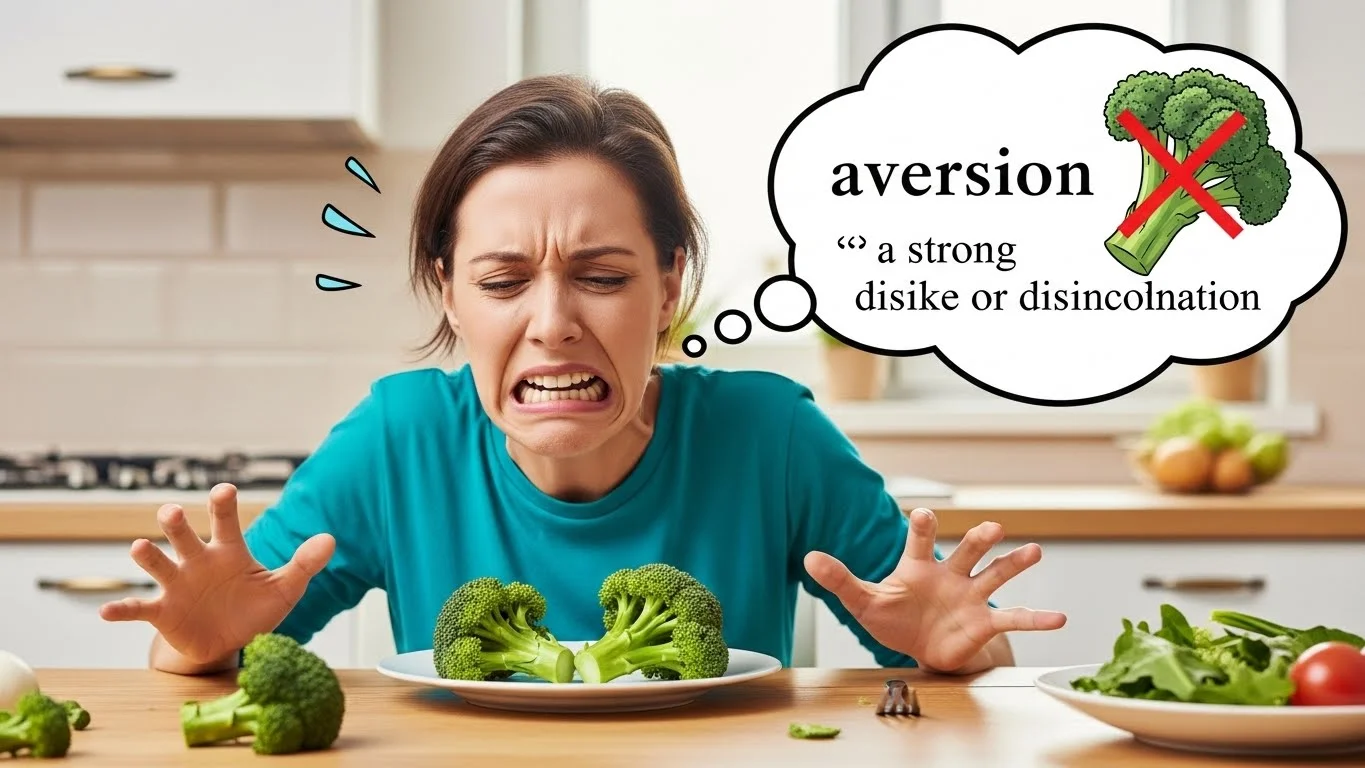
Some people confuse aversion with dislike, but aversion usually implies stronger, often instinctive avoidance.
Difference Between Aversion and Dislike
Dislike is mild, while aversion indicates a stronger, sometimes physical or emotional reaction.
Difference Between Aversion and Fear
Fear is concern about danger, while aversion is avoidance due to discomfort or dislike.
Aversion Meaning in Medical Contexts
In medicine, aversion can describe nausea or rejection responses to certain treatments or substances.
Figurative Meaning of Aversion
Figuratively, aversion can refer to avoiding abstract ideas, habits, or attitudes.
Aversion Meaning in Everyday Expressions
Expressions like “I have an aversion to…” indicate strong dislike or refusal.
How to Use Aversion Correctly in a Sentence
Example: “She has an aversion to spicy food.”
Emotional Impact of Aversion
Aversion can influence decisions, relationships, and personal preferences.
When Aversion Is Helpful
Aversion is helpful when it prevents harmful or uncomfortable situations.
When Aversion Can Be Limiting
Excessive aversion may restrict experiences or prevent growth.

Why Understanding Aversion Matters
Understanding the aversion meaning improves communication, empathy, and awareness of behavior.