


What Does HIV Non Reactive Mean in Simple Terms
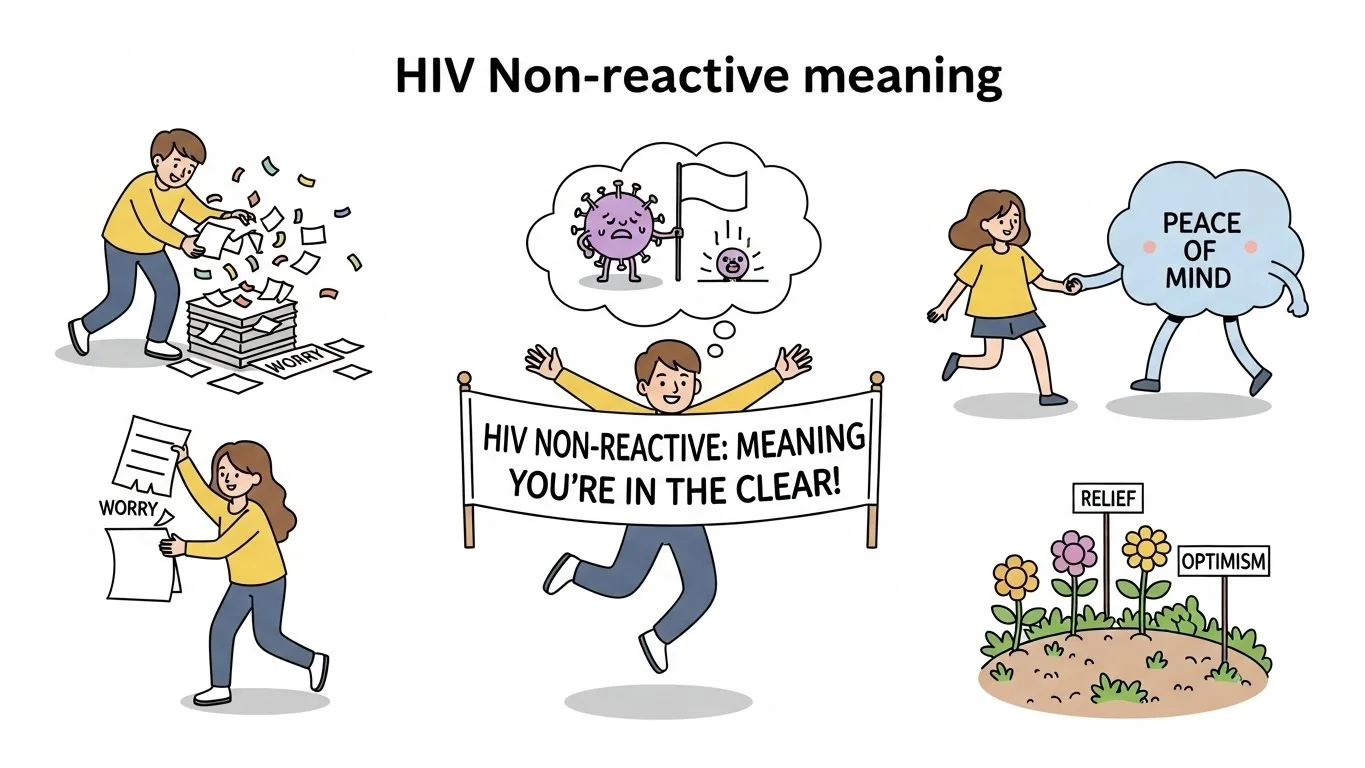
HIV non reactive means that the test did not detect HIV antibodies or antigens in your blood at the time of testing. Essentially, it suggests you are not infected with HIV.
HIV Non Reactive Meaning in Medical Terms
Medically, “non-reactive” indicates a negative result, showing no evidence of HIV infection according to the test method used.
HIV Non Reactive Meaning in Daily Life
For individuals, a non-reactive HIV test result provides reassurance about their HIV status, but timing and accuracy are important.
HIV Non Reactive Meaning in Testing
HIV tests detect antibodies, antigens, or genetic material of the virus. A non-reactive result means none were detected.
Common Misunderstandings About HIV Non Reactive
Some people assume non-reactive means 100% guaranteed negative. However, tests have a window period, and early infections may not show up immediately.
Difference Between Non Reactive and Reactive
Non-reactive: No HIV detected; generally negative.
Reactive: HIV detected; further confirmatory testing is required.
HIV Non Reactive Meaning and Window Period
The window period is the time between exposure and when the virus becomes detectable. Non-reactive results during the window period may still require retesting.
Types of HIV Tests
Antibody tests: Detect HIV antibodies; non-reactive means no antibodies found.
Antigen/antibody tests: Detect both antigens and antibodies; non-reactive means neither detected.
Nucleic acid tests (NAT): Detect HIV genetic material; non-reactive means no virus detected.
How to Interpret HIV Non Reactive Results
A non-reactive result generally indicates you are HIV negative, but follow-up testing may be recommended if exposure was recent.
HIV Non Reactive Meaning for Couples
Non-reactive results can provide peace of mind for sexual partners but should be combined with safe practices and retesting if needed.
Emotional Impact of HIV Non Reactive
Receiving a non-reactive result can bring relief, reduce anxiety, and encourage continued safe practices.
HIV Non Reactive Meaning in Pregnancy
Pregnant women often get tested for HIV; a non-reactive result indicates no infection, protecting both mother and child.
HIV Non Reactive Meaning in Blood Donation
Blood donors must have non-reactive HIV results to ensure the safety of donated blood.
Why Understanding HIV Non Reactive Matters
Knowing the HIV non reactive meaning helps interpret results correctly, avoid misconceptions, and plan next steps for health.
HIV Non Reactive Meaning in Health Communication
Healthcare providers use the term “non-reactive” to communicate clearly and accurately about test results.
How to Respond to HIV Non Reactive Results
Maintain safe practices to avoid exposure
Consider retesting if recently exposed
Continue regular health check-ups
HIV Non Reactive Meaning in Public Health
Non-reactive results contribute to tracking HIV prevalence and promoting preventive measures.
HIV Non Reactive Meaning in Counseling
Counselors explain non-reactive results, the importance of timing, and preventive measures to ensure understanding.
HIV Non Reactive Meaning in Community Awareness
Community programs use the term to educate people about HIV testing, prevention, and stigma reduction.

HIV Non Reactive Meaning in Research
In studies, non-reactive results indicate participants do not have detectable HIV at the time of testing.