
What Does Alopecia Mean in Simple Terms
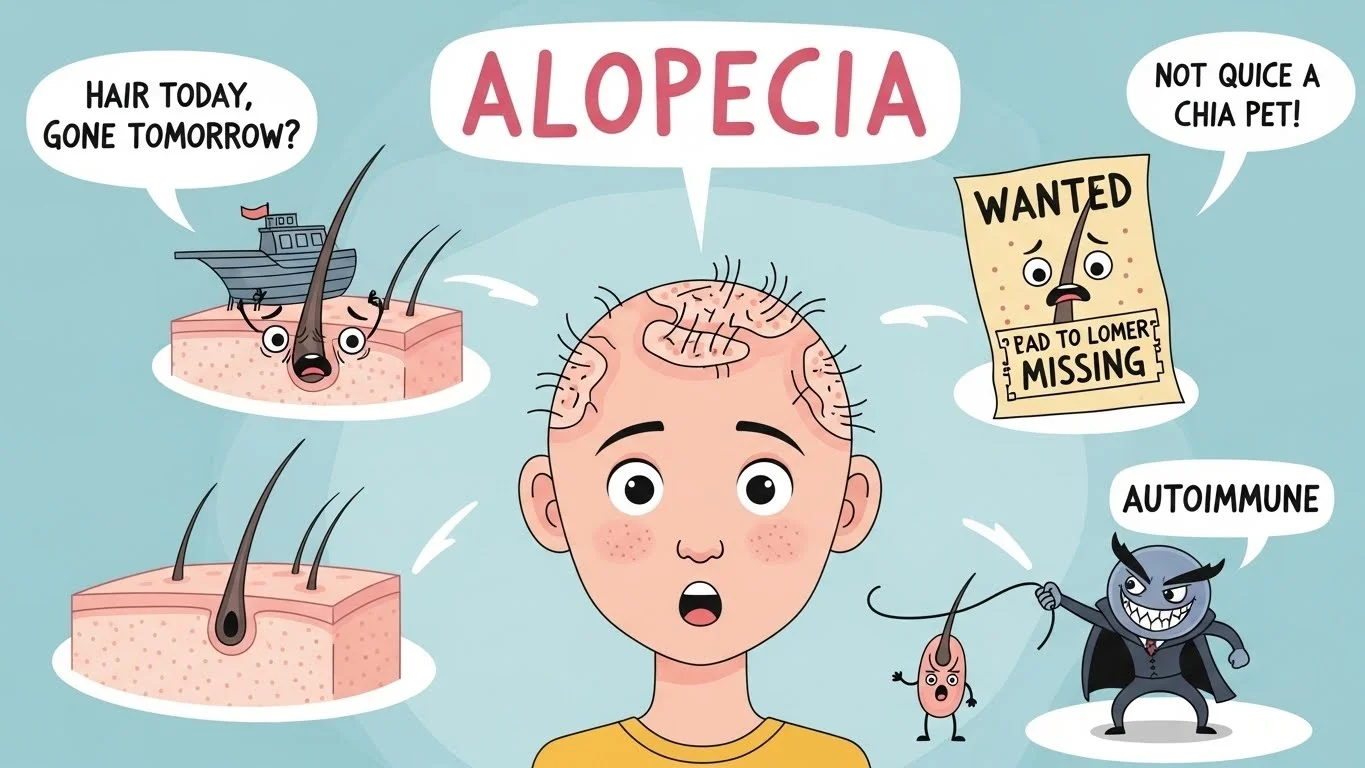
In simple terms, alopecia refers to hair loss from the scalp or body.
Alopecia Meaning in Medical Terms
Medically, alopecia describes any form of hair loss, whether temporary or permanent.
Types of Alopecia
Alopecia Areata: Sudden patchy hair loss.
Alopecia Totalis: Total loss of scalp hair.
Alopecia Universalis: Complete hair loss on the body.
Androgenetic Alopecia: Patterned hair loss caused by genetics.
Alopecia Meaning in Daily Life
People often use “alopecia” to describe noticeable hair loss that affects appearance and confidence.
Alopecia Meaning in Men
Men may experience male pattern baldness, a common form of alopecia caused by hormones and genetics.
Alopecia Meaning in Women
Women can experience female pattern hair loss or diffuse thinning due to hormonal or autoimmune factors.
Alopecia Meaning in Children
Alopecia can affect children, often in the form of alopecia areata, which may be sudden and patchy.
Common Causes of Alopecia
Genetics
Hormonal changes
Autoimmune conditions
Stress or illness
Medications and treatments
Symptoms of Alopecia
Thinning hair
Bald patches
Hair loss on the scalp, eyebrows, or body
Gradual or sudden onset depending on the type
Diagnosis of Alopecia
Diagnosis involves physical examination, medical history, and sometimes blood tests or scalp biopsy.
Treatment Options for Alopecia
Topical treatments (minoxidil)
Oral medications
Steroid injections
Hair transplantation
Wigs and cosmetic solutions
Lifestyle Tips for Managing Alopecia
Gentle hair care
Stress management
Healthy diet
Support groups and counseling
Common Misunderstandings About Alopecia
Some people think alopecia is contagious or always permanent, which is not true.
Difference Between Alopecia and Baldness
Baldness refers to hair loss in general, while alopecia is a medical term with specific types and causes.
Alopecia Meaning in Emotional Health
Hair loss can affect self-esteem, confidence, and mental well-being.
Alopecia Meaning in Social Context
Awareness about alopecia helps reduce stigma and promotes support for affected individuals.
Alopecia Meaning in Modern Research
Research continues to explore genetic, autoimmune, and treatment-based approaches for alopecia.
How to Use Alopecia in a Sentence
Example: “She was diagnosed with alopecia areata after noticing sudden hair loss.”
When Alopecia Requires Medical Attention
Seek a doctor if hair loss is sudden, patchy, or accompanied by other symptoms.
Why Understanding Alopecia Matters
Understanding the alopecia meaning helps you recognize symptoms, seek treatment, and support those affected with empathy.