
What Does Sheepish Mean in Simple Terms
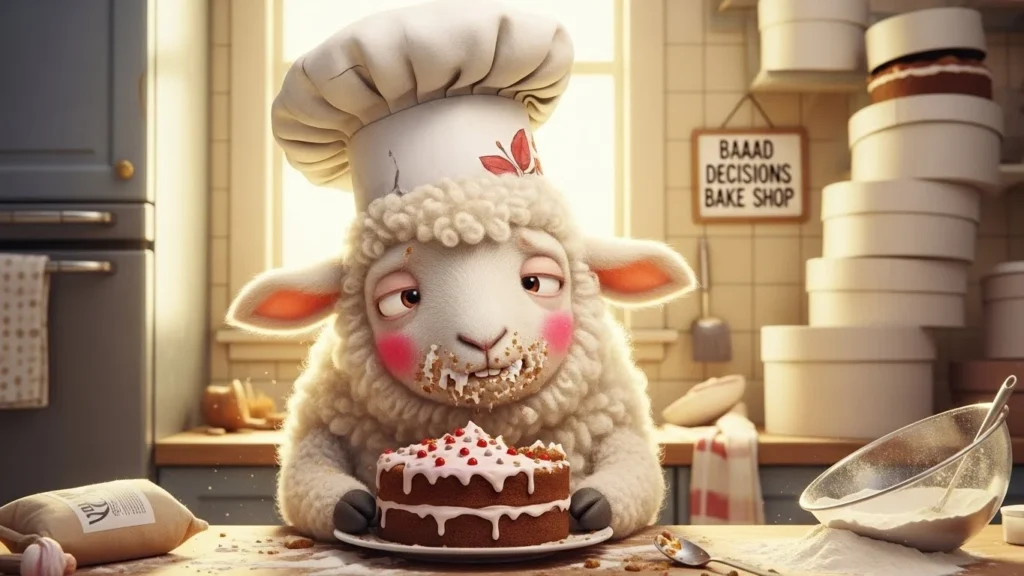
In simple terms, sheepish describes someone who looks or acts embarrassed, shy, or slightly guilty.
Sheepish Meaning in Daily Life
In daily life, people may appear sheepish when they make a mistake, receive unexpected attention, or feel awkward in social situations.
Sheepish Meaning in Behavior
Sheepish behavior often includes avoiding eye contact, blushing, or displaying hesitation.
Sheepish Meaning in Expressions
A sheepish smile or look communicates mild embarrassment or self-consciousness.
Common Traits of Sheepish People
Traits include shyness, modesty, hesitancy, and a tendency to avoid confrontation.
Sheepish Meaning in Literature
Writers use “sheepish” to describe characters who feel embarrassed, shy, or guilty, adding depth to their personality.
Sheepish Meaning in Social Situations
Socially, sheepishness can indicate politeness, humility, or awareness of one’s minor mistakes.
Common Misunderstandings About Sheepish
Some people confuse sheepish with timid or fearful; sheepishness specifically reflects mild embarrassment, not deep fear.
Difference Between Sheepish and Shy
Shyness is a general personality trait, while sheepish refers to a temporary state of embarrassment or awkwardness.
Difference Between Sheepish and Guilty
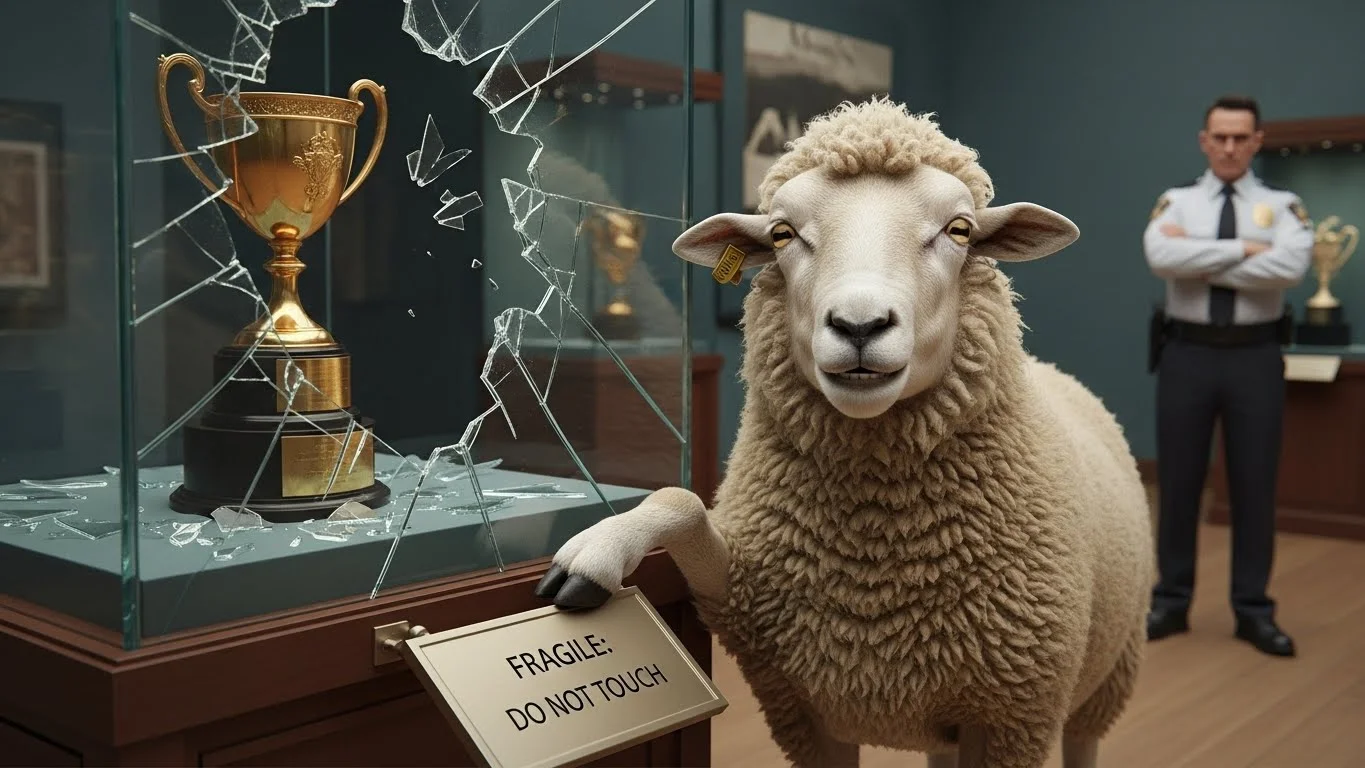
Guilt involves moral responsibility for a wrong action, while sheepishness is often about minor mistakes or awkward situations.
Sheepish Meaning in Humor
Sheepish expressions often appear in humorous contexts to show characters’ playful embarrassment.
Sheepish Meaning in Communication
Using the term “sheepish” conveys humility, self-awareness, or mild regret without serious consequences.
How Sheepish Is Expressed
Sheepishness can be shown through body language, tone of voice, facial expressions, or brief comments acknowledging embarrassment.
Sheepish Meaning in Psychology
Psychologically, sheepish behavior can reflect self-consciousness, social anxiety, or a desire to avoid conflict.
Figurative Sheepish Meaning
Figuratively, “sheepish” can describe situations, actions, or comments that are modest, understated, or slightly awkward.
How to Use Sheepish in a Sentence
Example: “He gave a sheepish smile after realizing his mistake in front of everyone.”
Sheepish Meaning in Everyday Communication
It is often used to soften statements, admit small errors, or show humility.
Emotional Impact of Sheepish Behavior
Sheepishness can evoke empathy, humor, or understanding from others.
Why Understanding Sheepish Matters
Recognizing sheepish behavior helps interpret emotions, respond appropriately, and improve social interactions.