

What Does Executor Mean in Simple Terms
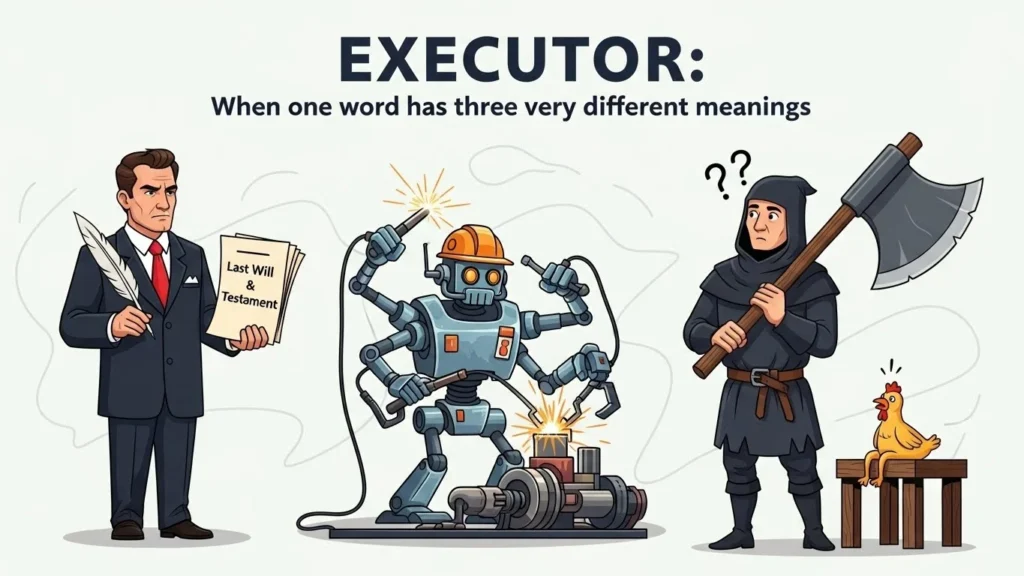
In simple terms, an executor is a person appointed to carry out the instructions of a will after someone passes away.
Executor Meaning in Legal Context
Legally, an executor is responsible for managing, distributing, and protecting the deceased’s assets according to their will.
Executor Meaning in Wills
In wills, the executor is named to ensure the deceased’s wishes are honored and properly executed.
Executor Meaning in Estates
In estates, the executor handles tasks like paying debts, filing taxes, and distributing property to beneficiaries.
Role of an Executor
An executor’s role includes asset management, record-keeping, communication with beneficiaries, and legal compliance.
Executor Meaning in Probate
During probate, the executor submits the will to the court, oversees the estate process, and ensures legal obligations are met.
Executor Meaning in Daily Life
For families, an executor provides organization, clarity, and guidance when handling a deceased relative’s affairs.
Responsibilities of an Executor
Key responsibilities include gathering assets, paying debts, managing taxes, distributing property, and filing reports with the court.
Executor Meaning in Financial Matters
Executors manage bank accounts, investments, insurance, and other financial matters of the deceased.
Common Misunderstandings About Executor
Some believe an executor inherits everything, but they are only responsible for managing and distributing assets.
Difference Between Executor and Administrator
An executor is named in a will, while an administrator is appointed by a court if there is no will.
Difference Between Executor and Trustee
An executor handles the estate after death, while a trustee manages assets placed in a trust.
Executor Meaning in Taxes
Executors file final income tax returns and handle estate taxes if applicable.
Executor Meaning in Real Estate
Executors manage real estate property, including selling or transferring ownership according to the will.
How to Choose an Executor
Executors should be trustworthy, organized, and capable of handling legal and financial responsibilities.
Legal Rights of an Executor
Executors have the legal right to access accounts, pay debts, and make decisions related to the estate.
Executor Meaning in Modern Context
Executors today may also use digital tools and services to simplify estate management.
Challenges of Being an Executor
Challenges include complex assets, family disagreements, and strict legal requirements.
How Executors Are Compensated
Executors may be compensated for their time and effort, depending on the will or state law.

Why Understanding Executor Matters
Understanding the executor meaning ensures proper estate management and prevents legal or financial issues.