
What Does Standoffish Mean in Simple Terms
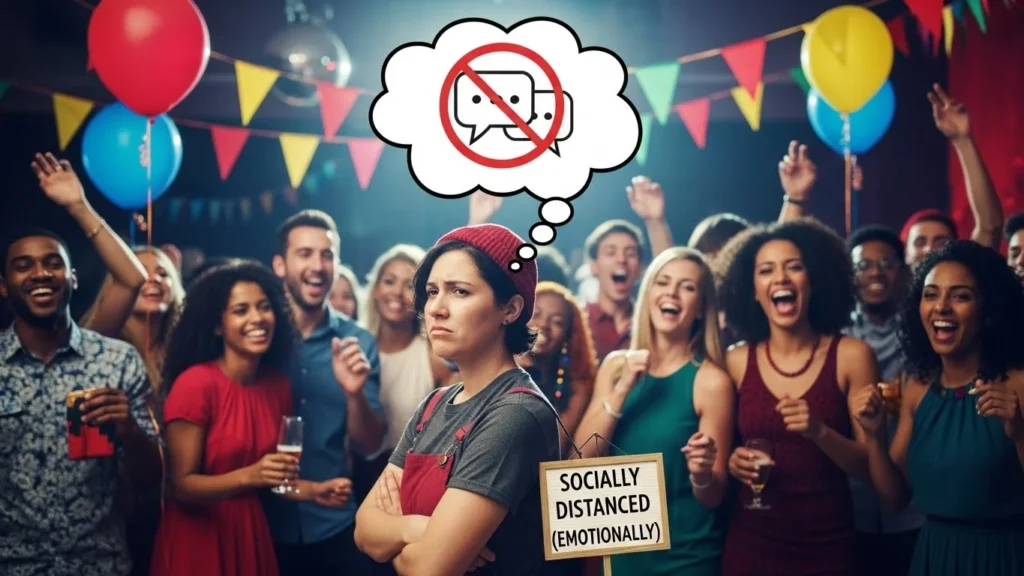
“Standoffish” refers to someone who is distant, reserved, or reluctant to engage with others. It often implies that a person keeps others at a distance, either due to shyness, caution, or a desire for privacy.
Standoffish Meaning in Social Situations
In social settings, a standoffish person may appear cold, uninterested, or unapproachable. This behavior can be intentional or simply a reflection of their personality.
Standoffish Meaning in Daily Life
In everyday interactions, people may describe neighbors, colleagues, or acquaintances as standoffish if they are formal, distant, or not very friendly.
Standoffish Meaning in Workplaces
In professional settings, standoffish behavior might show as minimal small talk, reserved communication, or keeping personal matters private.
Standoffish Meaning in Relationships
Being standoffish in personal relationships often means a person is cautious, not immediately open, or prefers to maintain boundaries until trust is built.
Standoffish Meaning in Psychology
Psychologists may interpret standoffish behavior as a coping mechanism, social anxiety, or a natural tendency toward introversion.
Modern Usage of Standoffish
Today, “standoffish” is commonly used in conversations, social media, and descriptive writing to indicate someone who is intentionally distant or reserved.
Common Misunderstandings About Standoffish
Many people confuse standoffish with rude or unfriendly. While the behavior may seem cold, it doesn’t always reflect negative intentions.

Differences Between Standoffish and Shy
Differences Between Standoffish and Shy
Shyness involves fear or nervousness in social interactions, while standoffishness is often a deliberate choice to maintain distance or privacy.
Standoffish Meaning in Pop Culture
Books, movies, and TV shows often use standoffish characters to create intrigue, show independence, or highlight social barriers.
Standoffish Meaning in Communication
Someone who is standoffish in communication may respond briefly, avoid personal topics, or limit engagement with others.
Cultural Differences in Standoffish Behavior
What is considered standoffish can vary by culture. Some cultures value privacy and formality, which may be misinterpreted as standoffishness.
Standoffish Meaning in Friendship
In friendships, a standoffish person may take time to open up, avoid large social gatherings, or prefer small, private interactions.
Standoffish Meaning in Online Interactions
Online, standoffish behavior can show as minimal comments, limited engagement, or private profiles that discourage social interaction.
Standoffish Meaning in Leadership
Leaders may be perceived as standoffish if they maintain professional boundaries, avoid favoritism, or limit casual interactions.
Figurative Standoffish Meaning
Figuratively, the term can describe objects, styles, or ideas that seem distant, unattainable, or unapproachable.

Why Understanding Standoffish Matters
Knowing what standoffish means can improve communication, reduce misunderstandings, and help you navigate social and professional relationships more effectively.