
What Does Fantasy Mean in Simple Terms
In simple terms, fantasy refers to imaginative ideas, visions, or stories that are not real. It often involves creativity, dreams, or imagined scenarios beyond ordinary life.
Fantasy Meaning in Literature
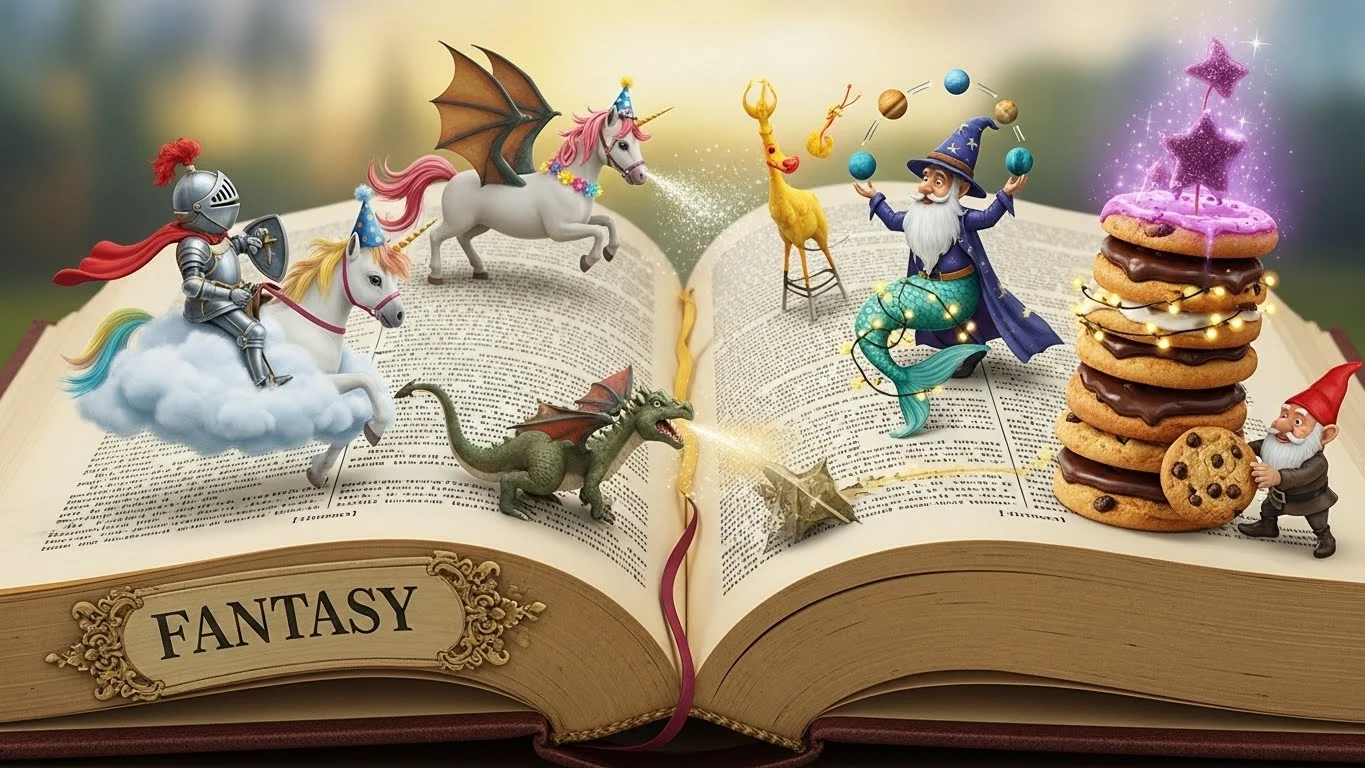
In literature, fantasy is a genre featuring magical, supernatural, or imaginative elements. Classic examples include magical worlds, mythical creatures, and heroic quests.
Fantasy Meaning in Movies and TV
Fantasy movies and shows often depict worlds, characters, or events that are imaginary or impossible in real life. Examples include epic adventures, magical kingdoms, and futuristic universes.
Fantasy Meaning in Gaming
In video and role-playing games, fantasy settings often involve magic, mythical creatures, and imaginative worlds that allow players to explore beyond reality.
Fantasy Meaning in Daily Life
People use fantasy to describe daydreams, imaginative scenarios, or mental escapes. For example, imagining traveling the world without constraints can be a personal fantasy.
Fantasy Meaning in Psychology
Psychologically, fantasy can be a mental activity used for problem-solving, wish fulfillment, or emotional coping. It helps individuals explore ideas or desires safely in their imagination.
Modern Usage of Fantasy
Today, “fantasy” is used in casual speech, online communities, and pop culture to describe imaginative thoughts, virtual experiences, or creative projects.
Common Misunderstandings About Fantasy
Fantasy is sometimes mistaken for delusion or unrealistic expectations. While fantasies are imagined, they are typically harmless and a normal part of human creativity.
Differences Between Fantasy and Reality
Fantasy involves imagination, while reality is grounded in facts and tangible experiences. Fantasy allows exploration beyond the limits of real life.
Fantasy Meaning in Romance
In romantic contexts, fantasy may refer to idealized or imaginative scenarios involving relationships, attraction, or desire.
Fantasy Meaning in Art
Artists use fantasy to create works that transport viewers to imaginative worlds, blending reality with creativity and expression.
Fantasy Meaning in Education
Fantasy in education can be used as a tool for creativity, storytelling, and encouraging imaginative thinking in students.
Figurative Fantasy Meaning
Figuratively, “fantasy” can describe anything idealized, unrealistic, or highly imaginative, such as a “fantasy career” or “dream vacation.”
Why Understanding Fantasy Matters
Knowing the meaning of fantasy helps you interpret literature, media, creative works, and personal imagination. It clarifies the difference between imagination, aspirations, and reality.