


What is Humanism Meaning
A belief system focusing on human values, reason, and individual dignity
Encourages critical thinking and evidence-based understanding
Promotes ethics and morality without relying solely on religion
Origins of Humanism Meaning
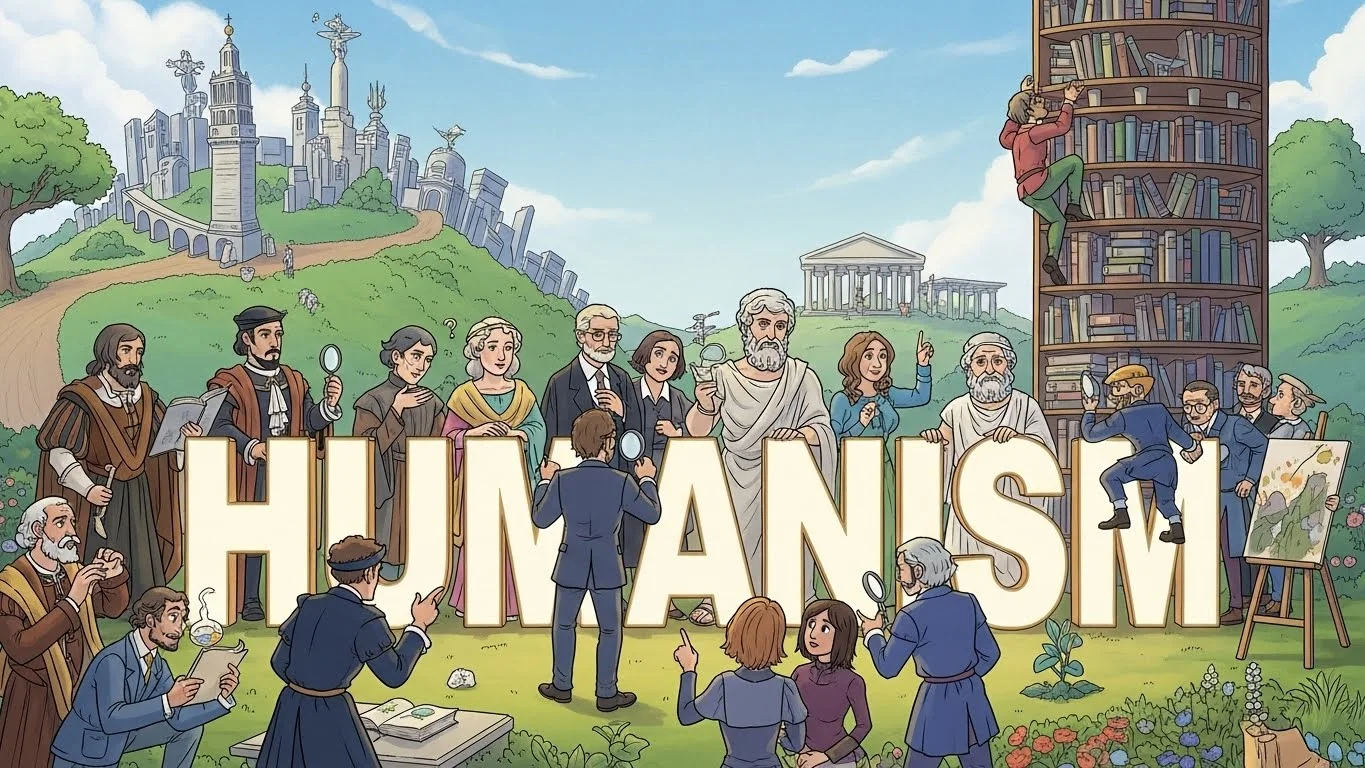
Emerged during the Renaissance in Europe
Influenced by classical Greek and Roman philosophy
Developed as a response to rigid religious authority in thought and education
Core Principles
Emphasis on human welfare, happiness, and potential
Rational thinking and scientific inquiry over superstition
Ethical responsibility and moral development
Humanism in Education
Focuses on developing critical thinking and creativity
Encourages students to question, explore, and reason
Promotes knowledge for practical human benefit
Humanism in Ethics
Morality guided by human needs and rational thought
Encourages empathy, fairness, and respect for others
Supports social justice and human rights
Humanism in Religion
Can coexist with religious beliefs but often independent of them
Advocates moral behavior without requiring divine authority
Encourages spiritual fulfillment through human potential
Humanism in Art and Literature
Influenced Renaissance art and literature emphasizing human experience
Explored human emotion, beauty, and intellect
Continues to inspire modern creative works
Humanism in Modern Society
Influences science, politics, and education
Promotes secularism, democracy, and human rights
Encourages individual and collective responsibility
Misunderstandings About Humanism
Not anti-religion; focuses on human values rather than divine authority
Not purely philosophical; it includes practical ethics
Seeks positive human development rather than rejecting tradition entirely
Humanism in Daily Life
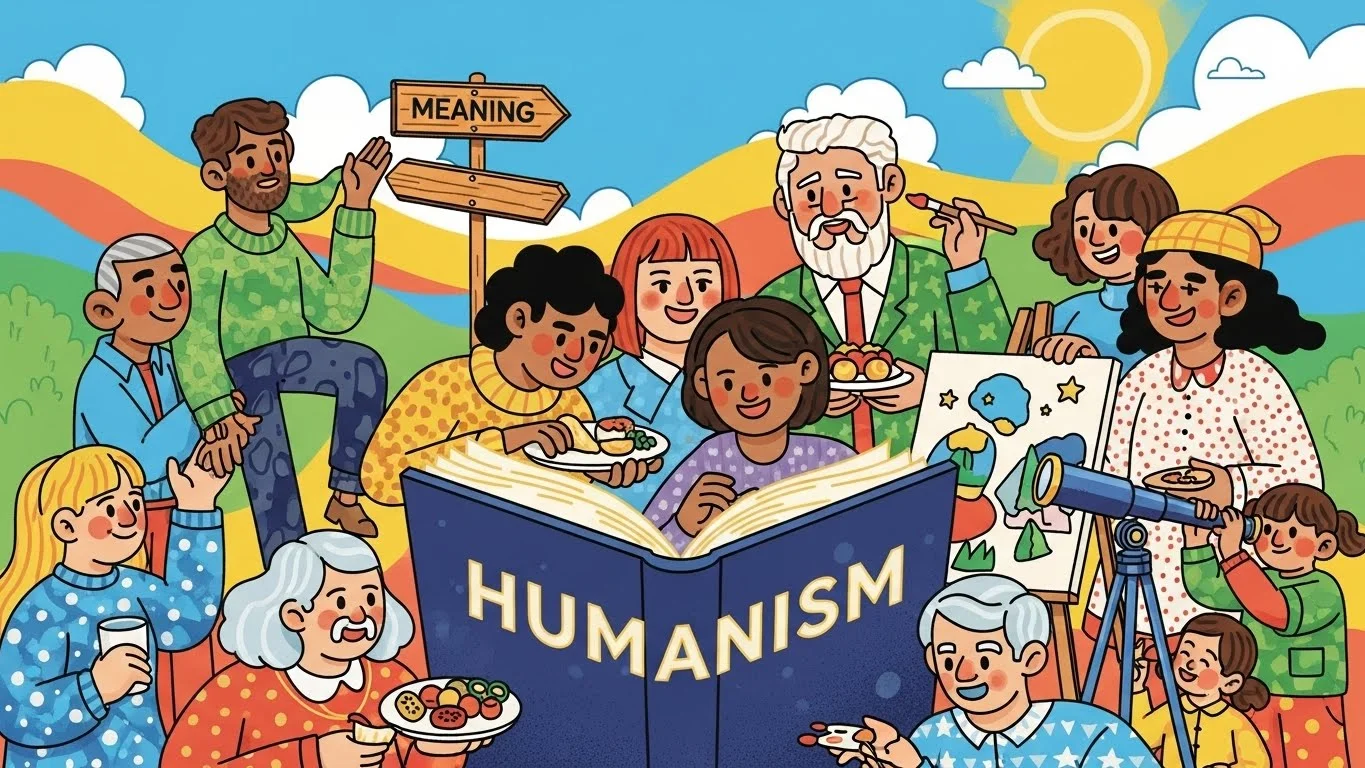
Making decisions based on reason, empathy, and ethical considerations
Valuing education, personal growth, and social responsibility
Encouraging human welfare and positive contributions to society