

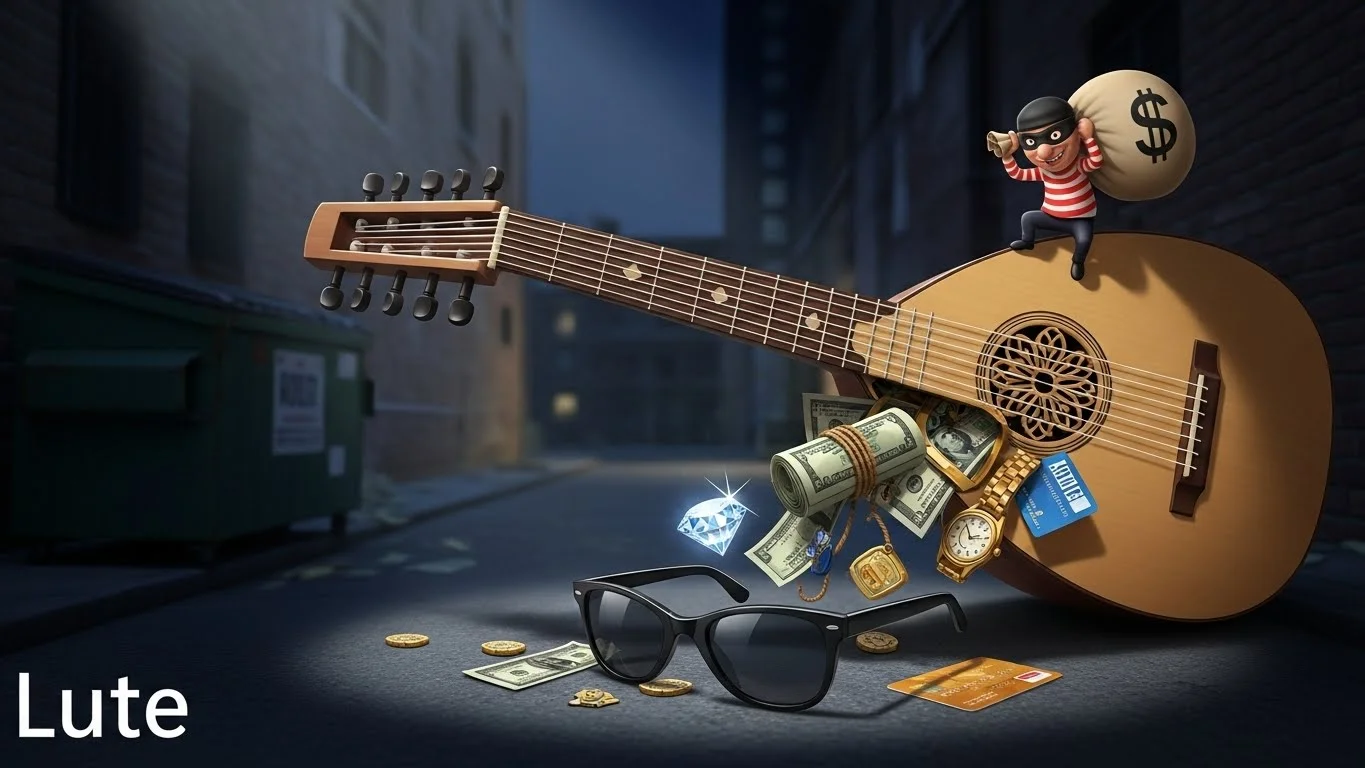
Lute Meaning Slang as a Musical Instrument
Traditionally a stringed instrument used in classical music
Symbolizes culture, artistry, and historical music traditions
Often confused with its slang usage in modern contexts
Lute Meaning Slang
In slang, “lute” can refer to someone who is foolish, gullible, or easily tricked
Often used jokingly or in playful teasing
Meaning can vary depending on region, age, or social group
Origins of the Slang
Derived from humorous online conversations and meme culture
Possibly influenced by mispronunciations or wordplay
Became more popular on social media platforms and forums
Usage in Conversation
Commonly used among friends in casual chats
Often paired with phrases like “you’re such a lute” or “don’t be a lute”
Can be lighthearted or teasing, not always offensive
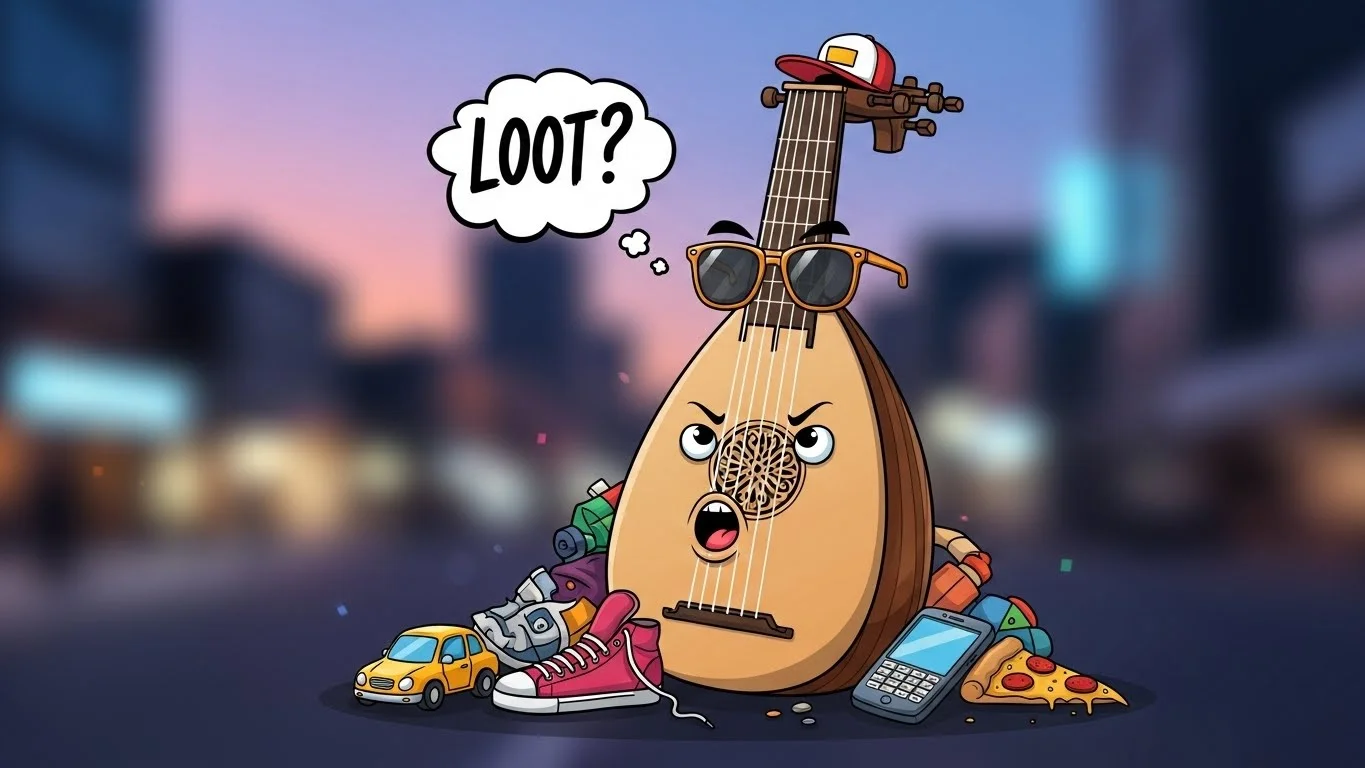
Lute in Pop Culture
Appears in memes, tweets, and viral jokes
Represents playful insults or humorous commentary
Often context-dependent, requiring understanding of the situation
Lute Meaning Slang vs Other Slang Terms
Similar to terms like “fool,” “silly,” or “goof”
Less harsh than traditional insults
Used primarily in informal, casual contexts
Emotional Tone
Usually humorous or teasing rather than mean-spirited
Can create camaraderie when used among friends
Tone is important to avoid misinterpretation
Lute in Online Gaming
Sometimes used to describe inexperienced or naive players
Popular in chatrooms, gaming forums, and streaming comments
Highlights playful banter in digital communities
Regional Differences
Some areas may not use “lute” as slang at all
Meaning and intensity can vary culturally or socially
Always context-dependent in understanding its usage