

Groan Meaning in Simple Terms
In simple terms, to groan means to make a low, deep sound that shows discomfort, annoyance, or emotional reaction.
Groan Meaning as a Verb
As a verb, groan means:
To make a deep sound because of pain or effort
To react to something unpleasant
To show emotional stress or exhaustion
Example: “He groaned when he lifted the heavy box.”
Groan Meaning as a Noun
As a noun, a groan refers to:
The sound itself
A vocal reaction to discomfort or frustration
Example: “A groan came from the crowd after the bad news.”
Groan Meaning in Emotional Contexts
Groans are often used to express:
Frustration
Disappointment
Boredom
Stress
They help communicate feelings without words.
Groan Meaning in Physical Pain or Effort
In physical situations, groaning can indicate:
Pain or injury
Heavy lifting or strain
Fatigue or illness
It is a natural response to discomfort.
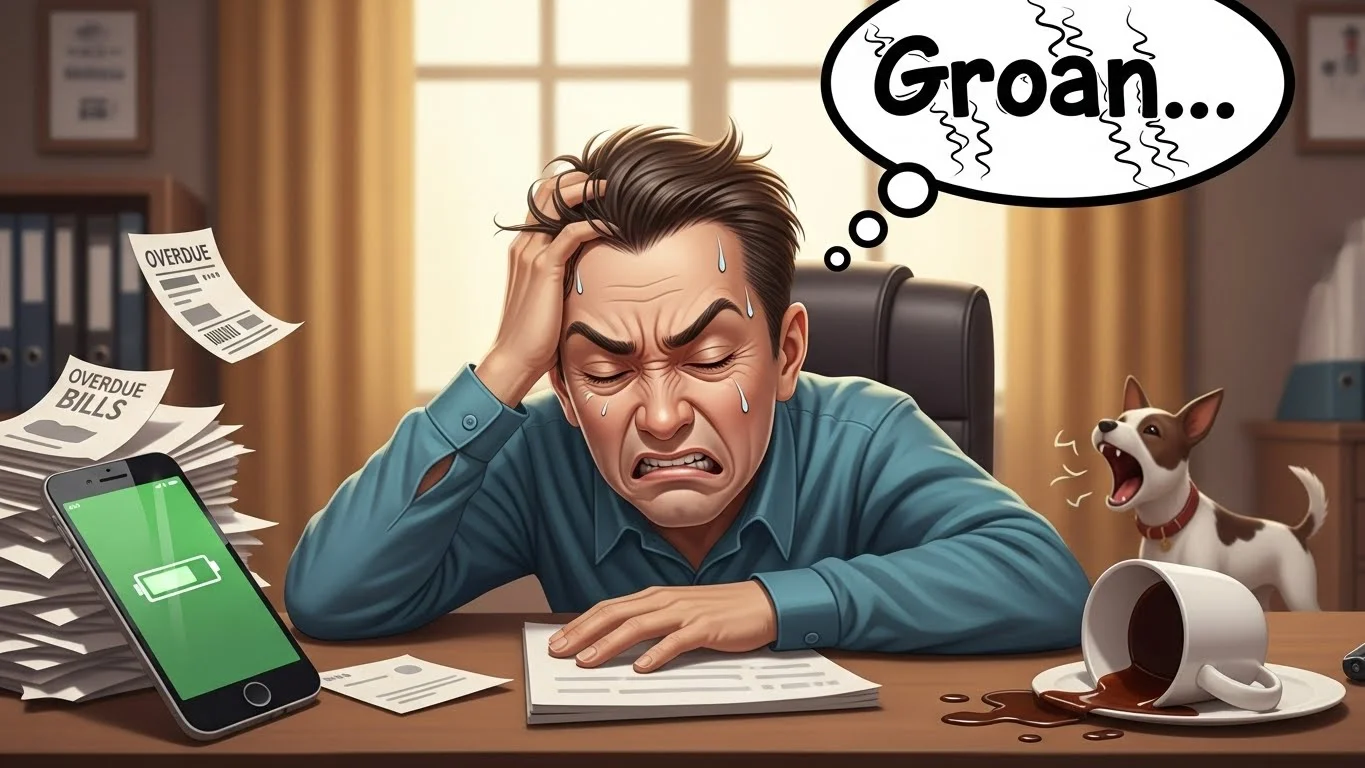
Groan Meaning in Daily Conversation
In everyday speech, groan is used casually:
Reacting to bad jokes
Showing annoyance at tasks
Expressing tiredness
Example: “She groaned when the alarm went off.”
Groan vs Moan
Although similar, they differ slightly:
Groan often shows frustration or pain
Moan can express pain, complaint, or pleasure
Context determines the meaning.
Common Misunderstandings About Groan
Some people think groan always means pain, but it can also show:
Emotional reaction
Annoyance
Exhaustion
It is not limited to physical discomfort.
Examples of Groan in Sentences
“The class groaned at the surprise test.”
“He let out a groan of pain.”
“She groaned loudly after a long day.”

Why Understanding Groan Meaning Matters
Knowing the groan meaning helps:
Interpret emotions correctly
Understand tone in writing
Improve communication clarity
It adds emotional depth to language.