
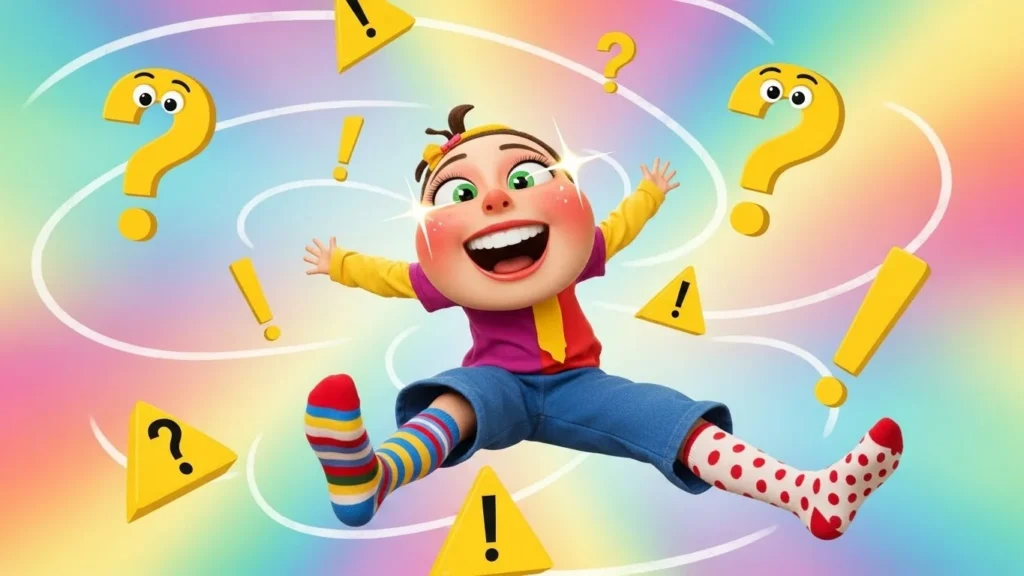

Giddiness Meaning in Simple Terms
In simple terms, giddiness means a feeling of lightheadedness or dizziness, or sometimes a sense of excitement or happiness that makes one feel slightly unsteady or thrilled.
Giddiness Meaning in Medical Context
In medicine, giddiness refers to:
Dizziness or imbalance
Lightheadedness caused by low blood pressure or inner ear issues
Vertigo or feeling faint
Doctors may ask about giddiness to diagnose underlying conditions.
Giddiness Meaning in Emotional Context
Giddiness can also describe:
Feeling overly excited or joyful
A sense of exhilaration or thrill
Emotions that make one feel “light” or euphoric
Example: “She felt giddiness after hearing the good news.”
Common Causes of Giddiness
Physical causes may include:
Sudden changes in posture
Low blood sugar or dehydration
Inner ear problems or infections
Side effects of medication
Emotional causes involve excitement, nervousness, or happiness.

Symptoms Associated With Giddiness
Symptoms often include:
Lightheadedness
Spinning sensation
Nausea
Loss of balance
Rapid heartbeat (in emotional giddiness)
Recognizing symptoms helps determine the cause.
Giddiness in Everyday Language
In daily speech, giddiness often describes:
Playful excitement
Feeling carefree or bubbly
Mild euphoria
Example: “The children ran around with giddiness after the party.”
Common Misunderstandings About Giddiness
Giddiness is not always serious; it can be emotional
It is sometimes confused with fainting or vertigo
It can refer to both physical sensations and emotional states
Context is important for interpretation.
Examples of Giddiness in Sentences
“He experienced giddiness after standing up too quickly.”
“There was a giddiness in the room when the winner was announced.”
“Giddiness overcame her as she spun around in the excitement.”

Why Understanding Giddiness Meaning Matters
Knowing the giddiness meaning helps:
Recognize physical health signs
Communicate feelings accurately
Distinguish between dizziness and excitement
Interpret literature and conversation correctly