
Sharia Law Meaning in Simple Terms
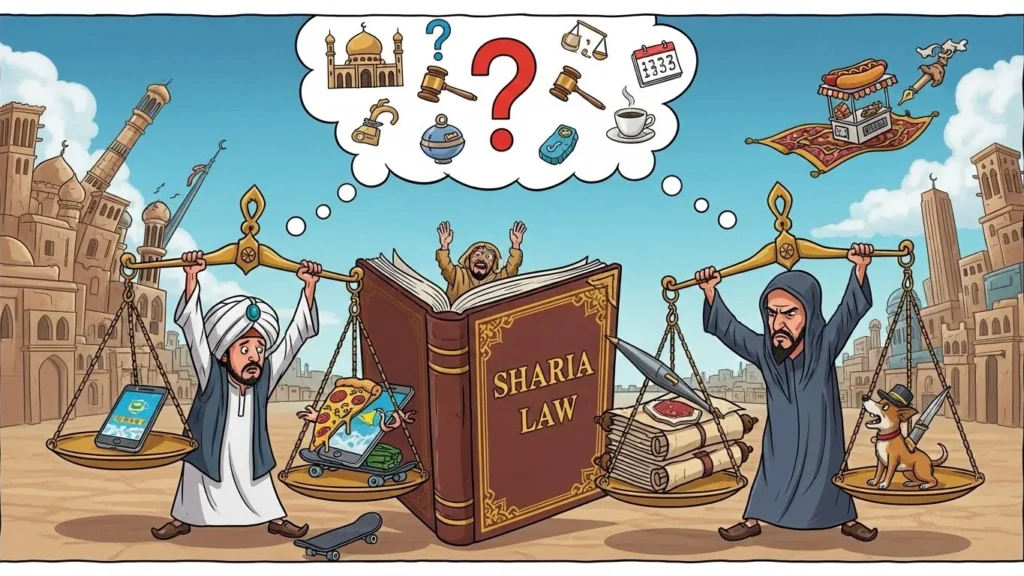
In simple terms, Sharia law means Islamic law derived from the Quran and the teachings of Prophet Muhammad. It provides rules for behavior, ethics, and religious practice.
Sources of Sharia Law
The main sources include:
The Quran: The holy book of Islam
Hadith: Sayings and actions of Prophet Muhammad
Ijma: Consensus among Islamic scholars
Qiyas: Analogical reasoning
These sources guide legal and moral decisions.
Sharia Law Meaning in Daily Life
Sharia influences:
Prayer and worship practices
Dietary laws (e.g., halal)
Marriage, divorce, and inheritance
Financial dealings (prohibition of interest in some cases)
It is both a personal and communal guide.
Sharia Law in Legal Systems
In some countries, Sharia is incorporated into:
Family law
Inheritance law
Criminal law (partially or fully)
Ethical and social regulations
Implementation varies widely across nations.
Sharia Law vs Secular Law
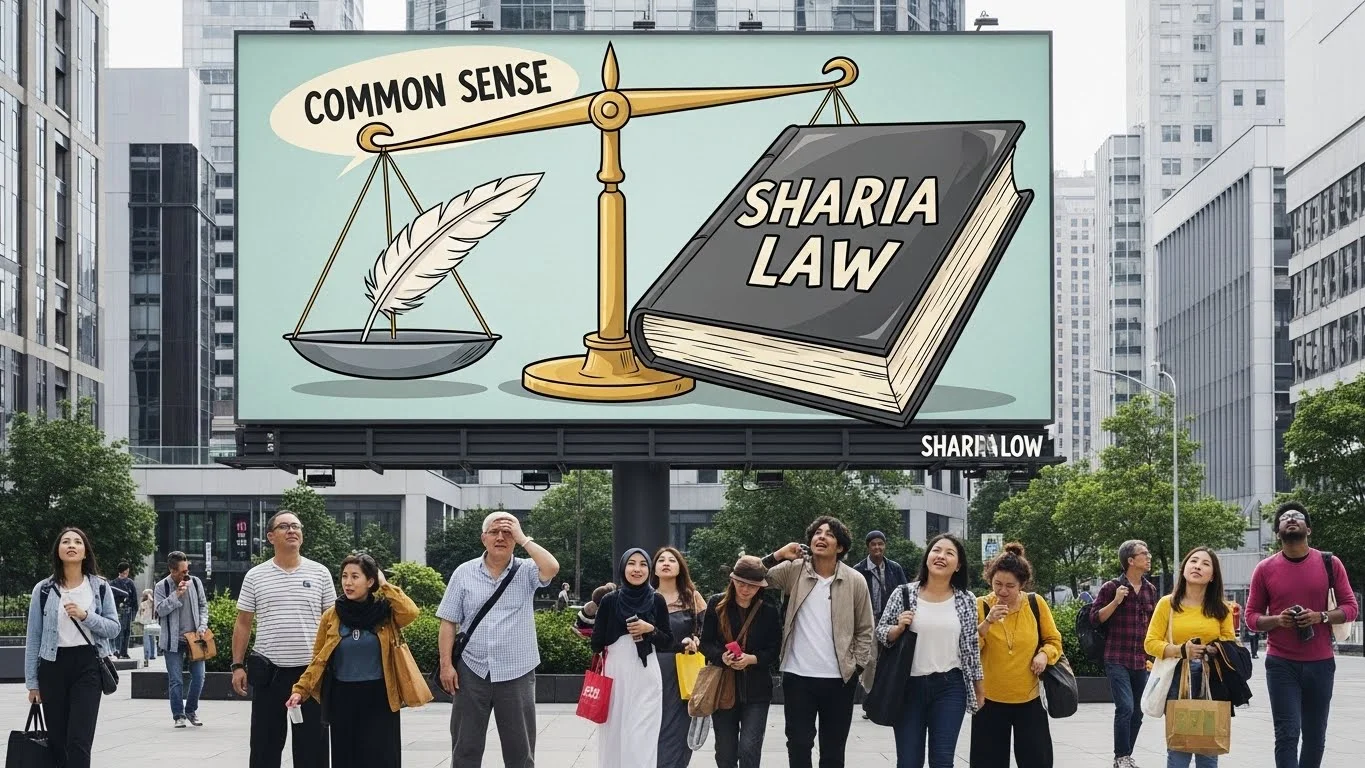
Sharia law: Based on religious principles
Secular law: Based on state or civil codes
In some countries, both systems coexist for different issues
Understanding the distinction avoids confusion.
Common Misunderstandings About Sharia Law
Not all Muslims enforce it legally
It is not a single fixed law; interpretations differ
It is not inherently harsh or oppressive; context matters
Misconceptions often arise from selective examples.
Examples of Sharia Law in Context
Following prayer times daily
Observing halal dietary rules
Resolving family matters through Sharia-based guidance
Charity obligations like zakat
These examples show its role in guiding ethical and religious life.
Why Understanding Sharia Law Meaning Matters
Understanding the Sharia law meaning helps:
Respect Islamic beliefs and practices
Avoid stereotypes or misinformation
Recognize cultural and legal differences
Interpret global news and social contexts accurately