
House Poor Meaning in Simple Terms
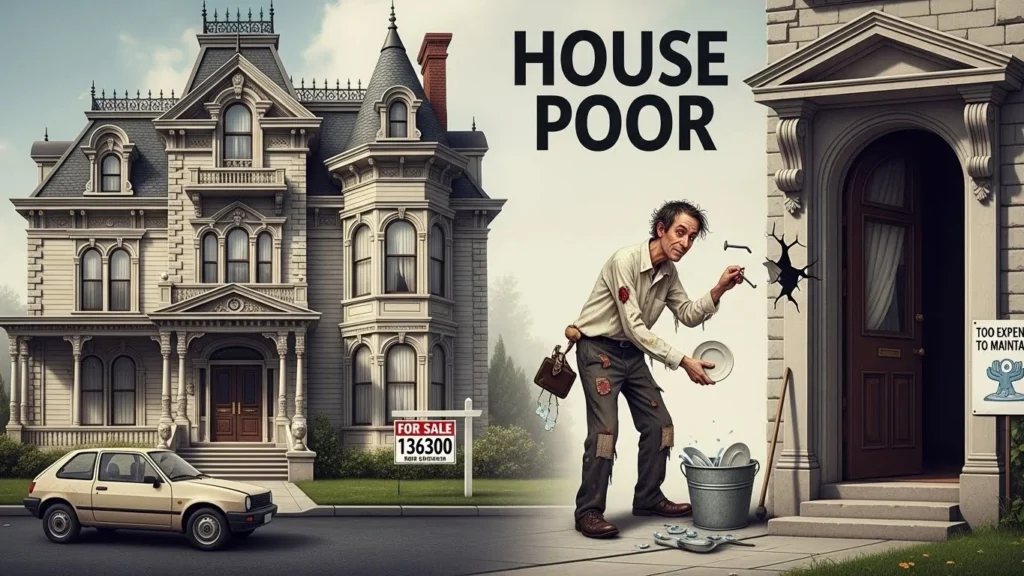
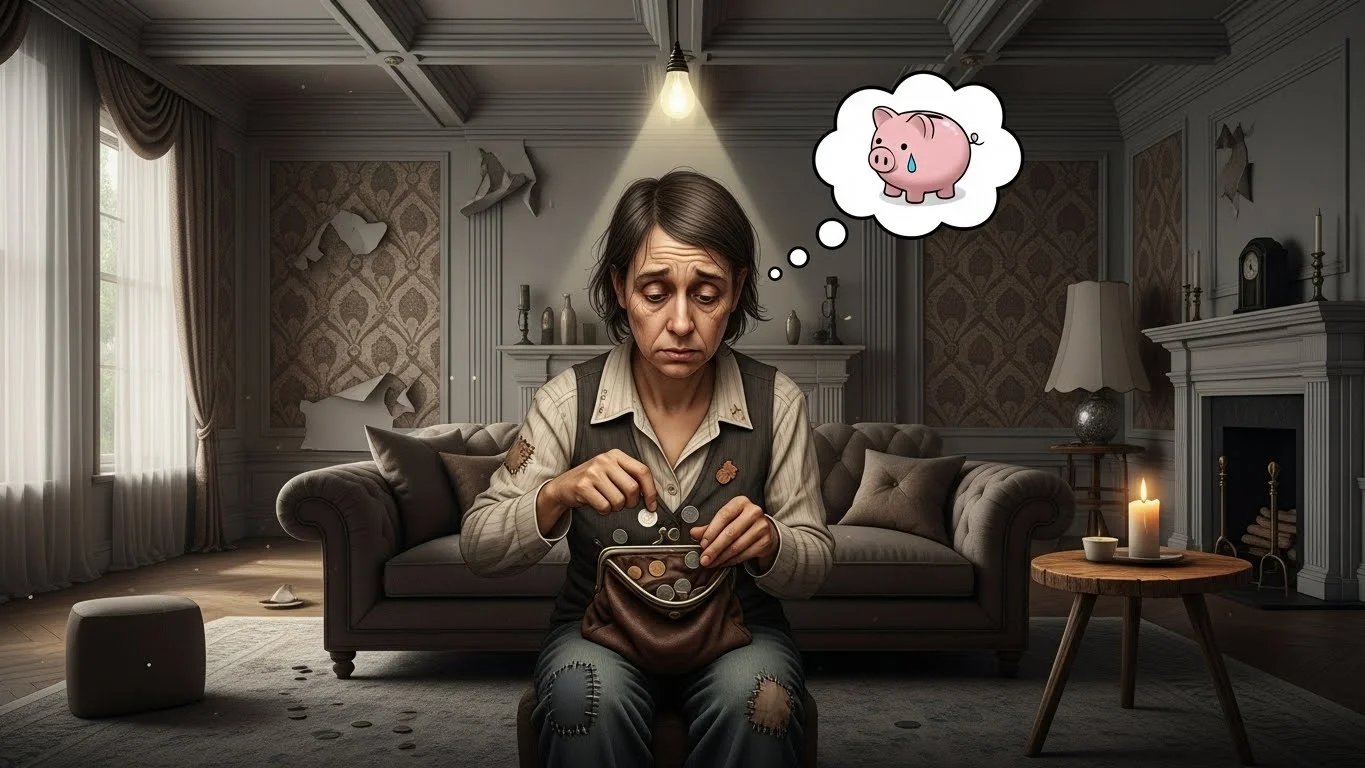
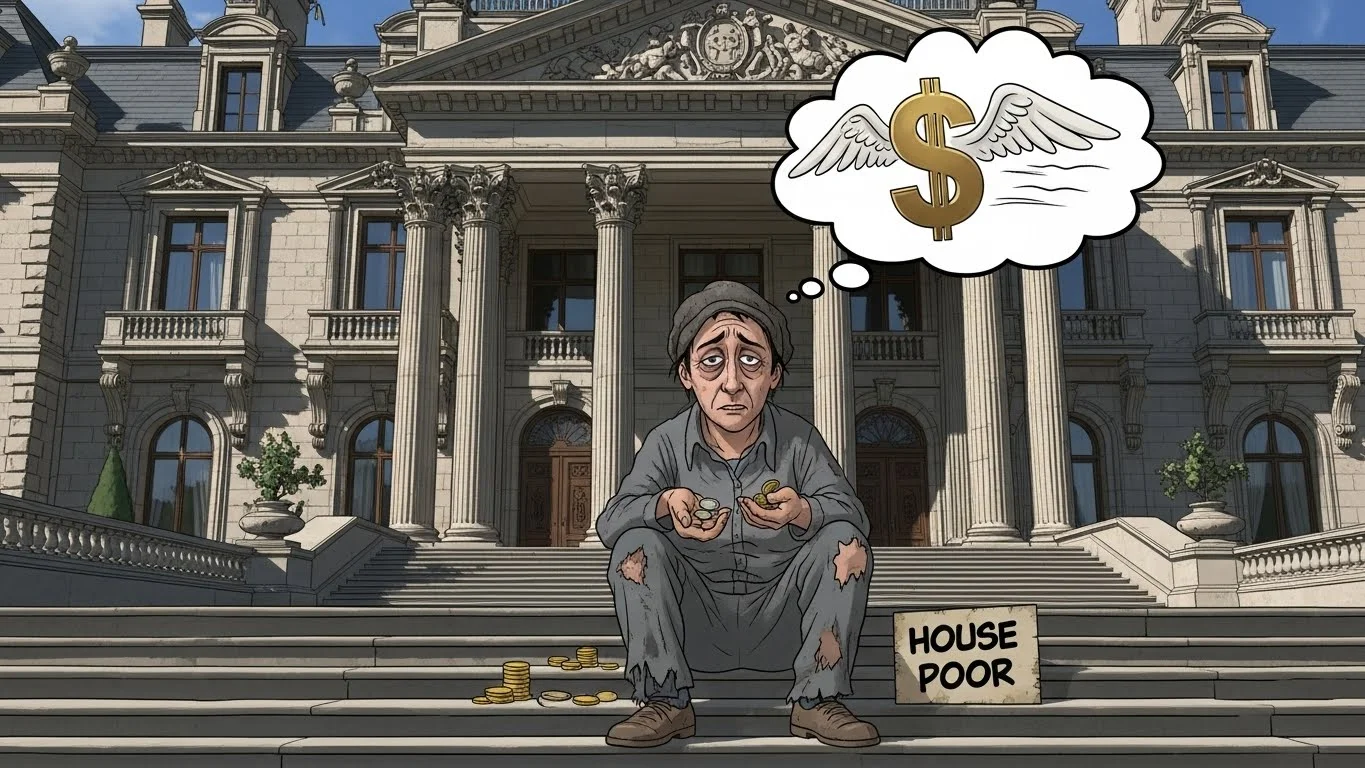
In simple terms, house poor refers to a situation where a homeowner spends most of their income on housing costs, leaving little money for other expenses.
Example:
“She bought a large house, but the mortgage and maintenance costs made her house poor.”
Common Causes of Being House Poor
Common reasons include:
Buying a home beyond one’s budget
High mortgage payments
Expensive property taxes or insurance
Maintenance and repair costs exceeding income
Signs You Might Be House Poor
Signs include:
Struggling to pay for essentials after mortgage
Minimal savings or emergency funds
Frequent use of credit cards for daily expenses
Constant financial stress related to home costs
House Poor and Financial Planning
Being house poor can impact overall financial health:
Limits ability to save for retirement or emergencies
Reduces spending on leisure or personal needs
Can lead to debt or financial instability
How to Avoid Being House Poor
Tips include:
Set a realistic budget before buying a home
Consider total housing costs, not just mortgage
Maintain an emergency fund
Avoid overextending on home upgrades or renovations
Managing House Poor Situations
If you’re already house poor:
Reevaluate monthly expenses and reduce unnecessary costs
Refinance the mortgage to lower payments if possible
Consider downsizing or renting out part of the property
Seek advice from a financial planner
House Poor vs Homeowner Wealth
Being a homeowner does not always mean financial freedom. A person can own a valuable home but still be house poor if most income is tied to housing costs.
Examples of House Poor in Sentences
“Even though they live in a beautiful home, they are house poor and struggle to pay for vacations.”
“Buying an expensive house without planning made them house poor.”
“House poor homeowners often cut back on daily spending to cover mortgage costs.”
Summary of House Poor Meaning
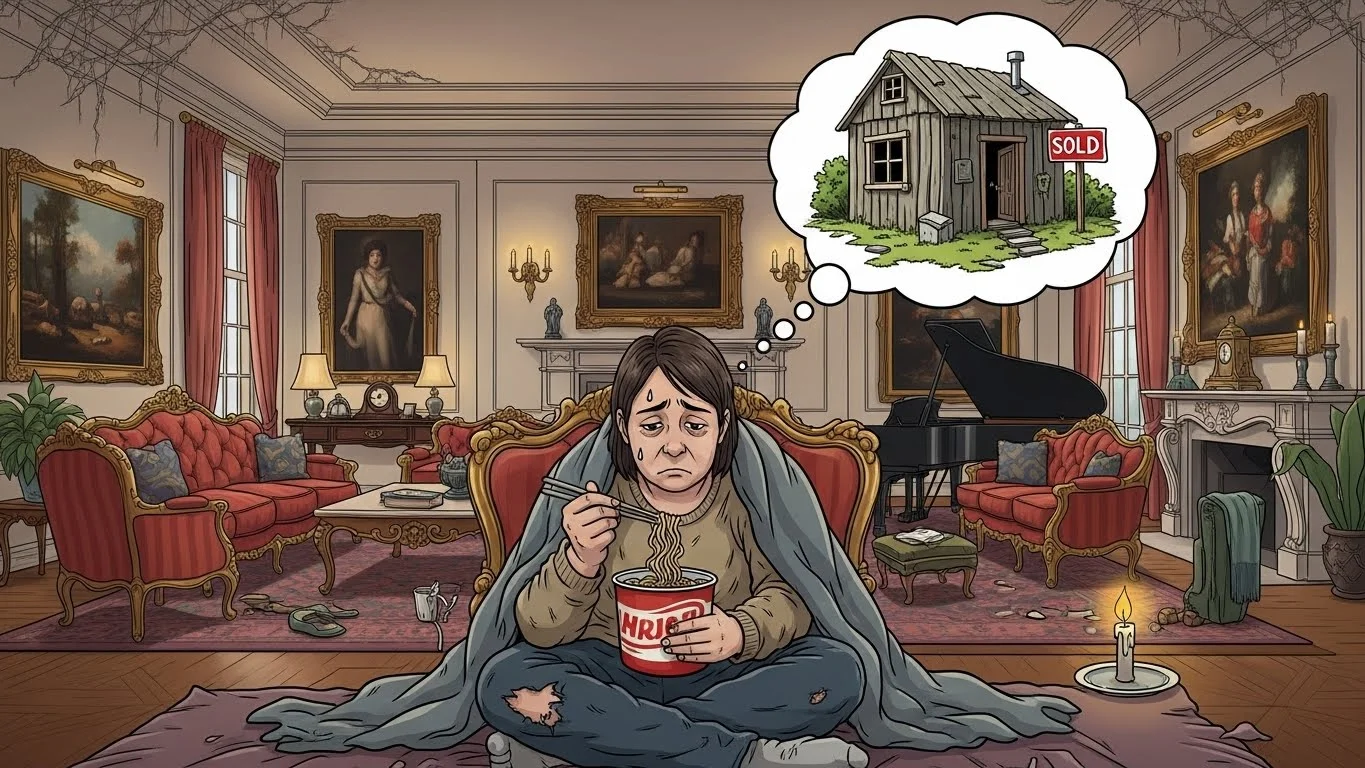
House poor means:
Spending a large portion of income on housing
Leaving limited funds for other expenses or savings
Caused by high mortgage, taxes, or maintenance costs
Can be avoided with careful financial planning