
Kaiju Meaning in Simple Terms
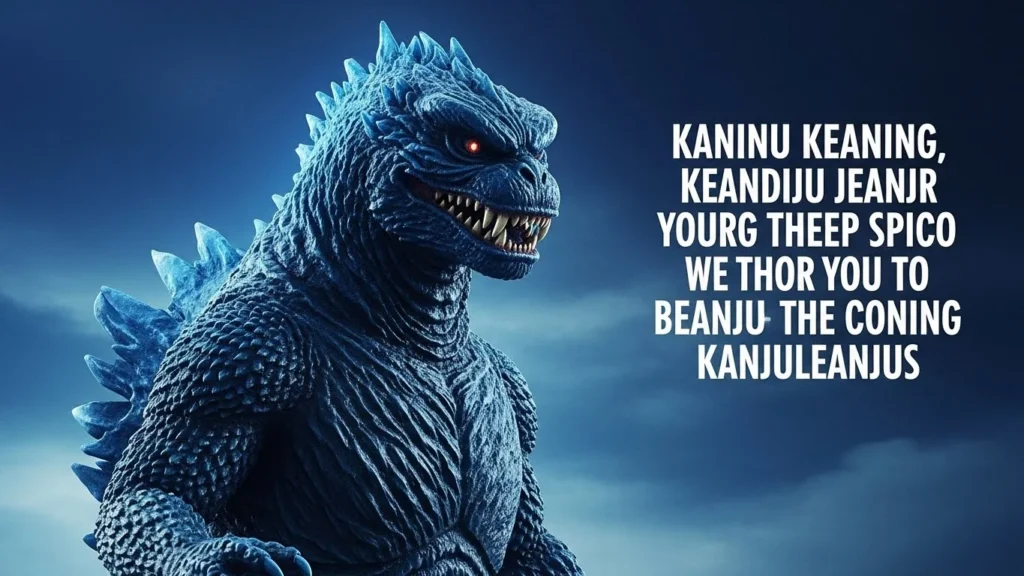
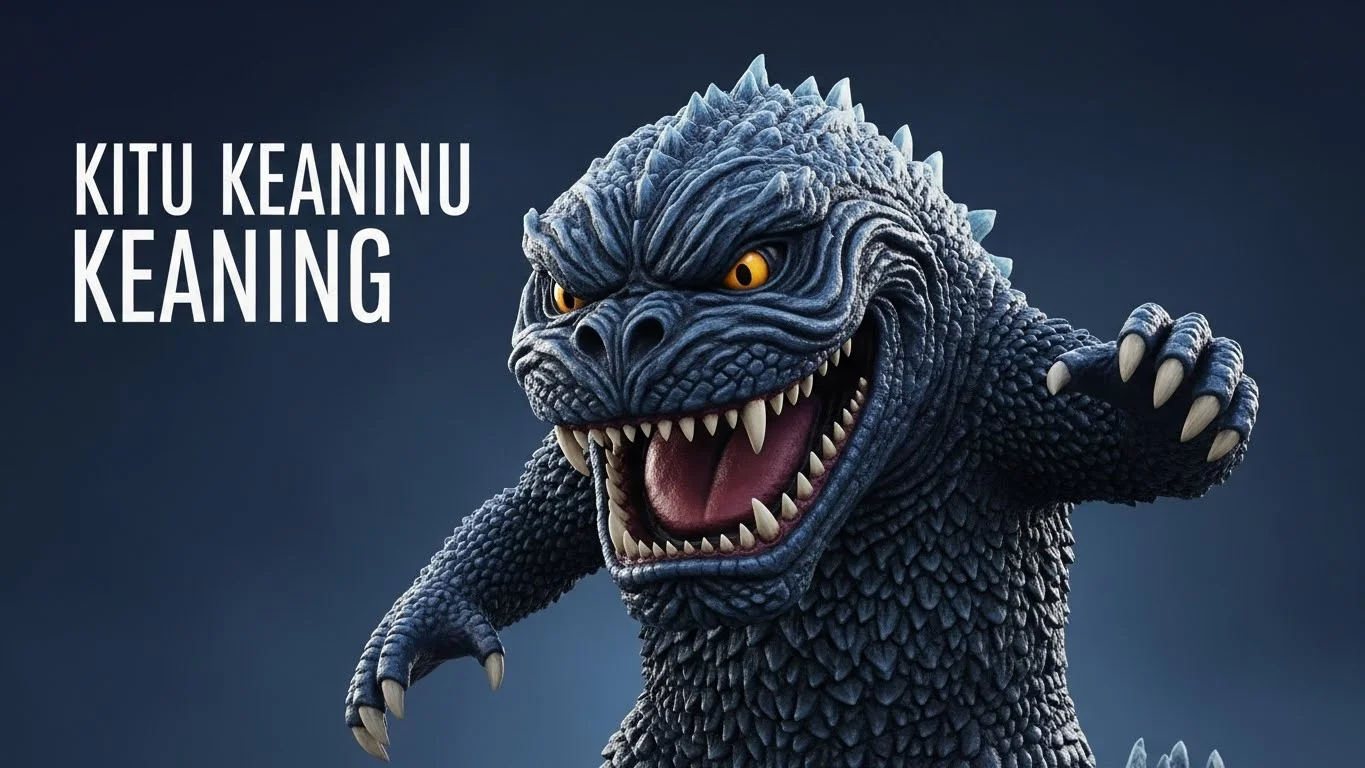
Kaiju is a Japanese word that literally means “strange beast” or “giant monster”.
It refers to enormous creatures, often wreaking havoc in cities, as seen in films and media.
Kaiju Origin
The term comes from Japanese: 怪獣 (kai = strange, ju = beast)
Popularized in Japan during the 1950s
First major appearance: the movie Godzilla (1954), which showcased a giant lizard-like creature
Kaiju stories often reflect cultural themes, such as nuclear fears or natural disasters.
Kaiju in Movies
Kaiju movies are a genre of monster films, featuring:
Giant monsters battling humans, other monsters, or nature
Iconic monsters like Godzilla, Mothra, and King Ghidorah
Themes of destruction, heroism, and environmental caution
Example:
“Godzilla is the most famous kaiju, symbolizing the dangers of nuclear energy.”
Kaiju in Pop Culture
Kaiju have expanded beyond movies into:
Comics and graphic novels
Video games and toys
TV shows and collectibles
They often represent imagination, scale, and spectacle in storytelling.
Kaiju Meaning in Modern Usage
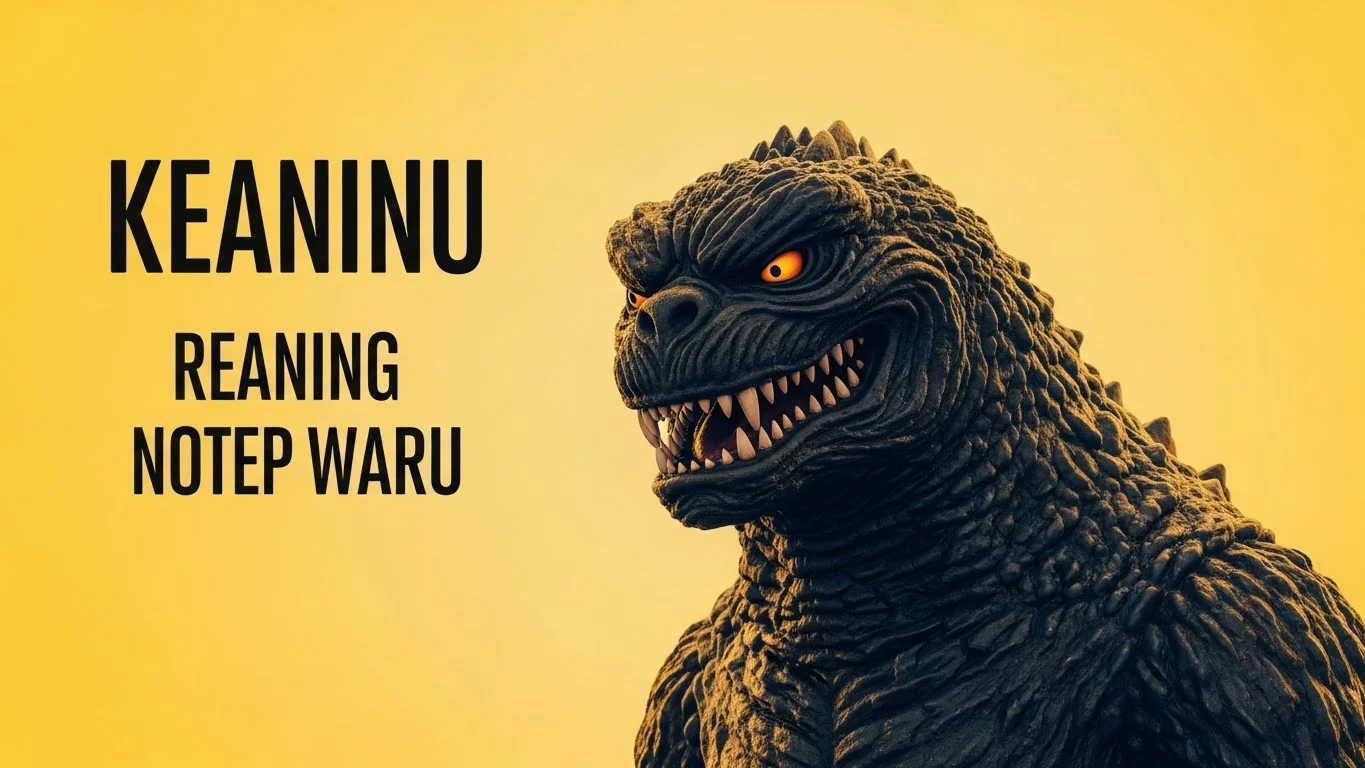
Today, kaiju can refer to:
Any giant monster in media, not just Japanese
Symbolic representation of overwhelming challenges or forces
Characters in games, comics, or animations
Example:
“The movie features a kaiju battle that destroys the city skyline.”
Kaiju in Literature and Gaming
In books and games, kaiju appear as:
Powerful bosses in video games
Creatures in fantasy novels or RPGs
Figures in collectible card games
They provide thrilling challenges and epic storylines.
Common Misunderstandings About Kaiju Meaning
Some think kaiju only means Godzilla; it refers to any giant monster.
Others confuse kaiju with dinosaurs; kaiju can be fantastical, not just prehistoric creatures.
Kaiju are not always evil; some are protectors or neutral beings in stories.
Summary of Kaiju Meaning
Kaiju means:
Giant monster or strange beast
Originated in Japanese culture
Popular in movies, games, comics, and pop culture
Can symbolize fear, challenge, or awe