

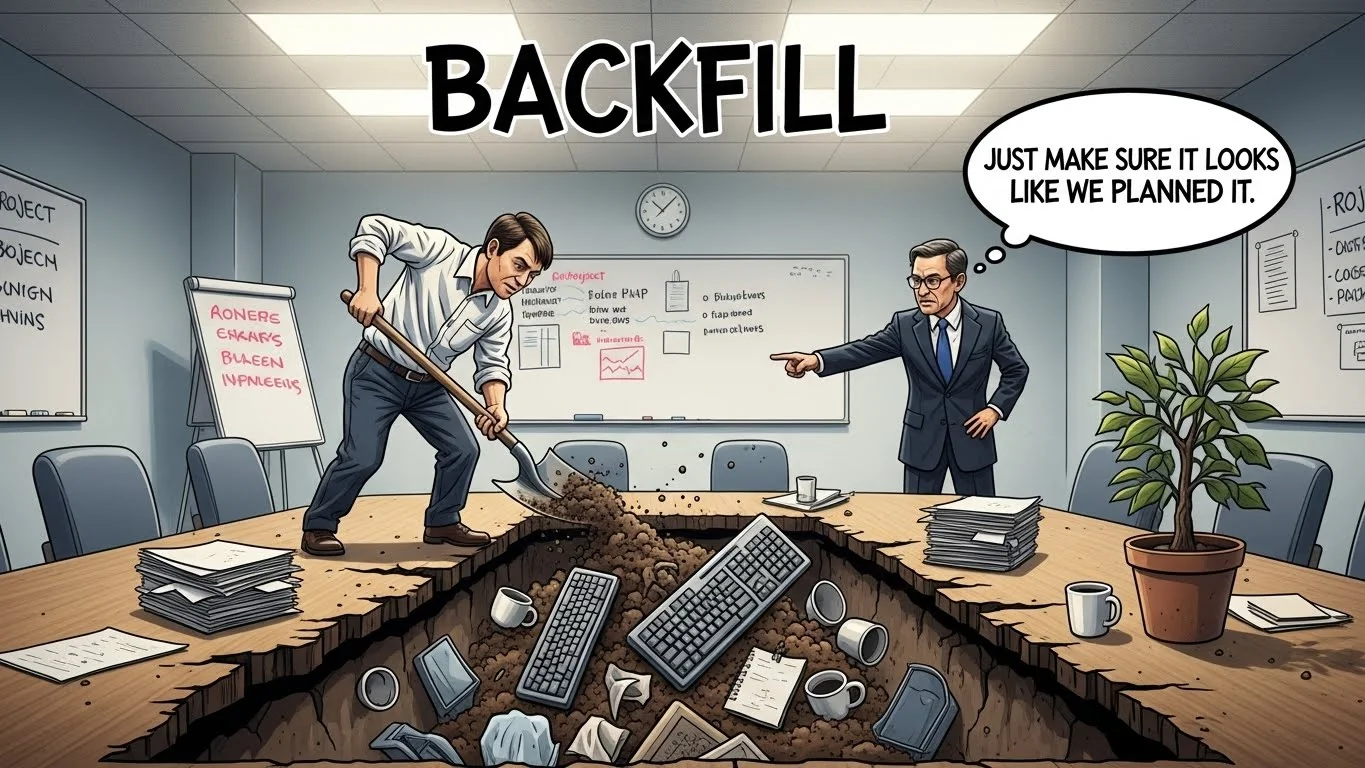
What Does Backfill Mean in Simple Terms
In simple terms, backfill means to fill a space again or to replace something or someone that is missing.
Backfill Meaning in Construction
In construction, backfill refers to filling soil back into a hole or trench after construction work, such as laying pipes or building foundations.
Backfill Meaning in Jobs and Employment
In workplaces, backfill means hiring or assigning someone to replace an employee who has left, been promoted, or is temporarily unavailable.
Backfill Meaning in Business
In business, backfill is used when a role, task, or responsibility is filled after a vacancy occurs.
Backfill Meaning in Human Resources
HR teams use the term backfill when recruiting for positions that become vacant due to resignation, leave, or internal movement.
Backfill Meaning in Project Management
In project management, backfill may refer to reallocating resources or staff to cover gaps during a project timeline.
Backfill Meaning in Daily Conversation
In everyday language, backfill can mean filling any gap, whether physical or organizational.
Common Misunderstandings About Backfill
Some people think backfill only applies to construction, but it is widely used in employment and business contexts as well.
Difference Between Backfill and Replacement
Replacement usually means a permanent substitute, while backfill can be temporary or permanent depending on the situation.

Backfill Meaning in Temporary Roles
Temporary backfill refers to short-term coverage, such as during maternity leave or extended absences.
Backfill Meaning in Permanent Hiring
Permanent backfill happens when a company hires someone long-term to replace a departing employee.
How to Use Backfill in a Sentence (Workplace)
Example: “The company hired a new manager to backfill the vacant position.”
How to Use Backfill in a Sentence (Construction)
Example: “The workers will backfill the trench after installing the pipes.”
Backfill Meaning in Infrastructure Projects
Backfilling is essential in infrastructure work to ensure stability and safety after excavation.
Why Backfill Is Important
Backfill ensures continuity, stability, and efficiency, whether in construction sites or organizational roles.
Backfill Meaning in Operations
Operational teams backfill roles to maintain productivity and prevent workflow disruption.
Emotional or Practical Impact of Backfill
Effective backfilling reduces stress on teams by ensuring workloads remain balanced.
Backfill Meaning in Professional Communication
Using the term backfill clearly helps teams discuss staffing, planning, and construction processes accurately.
Backfill Meaning in Modern Usage
Today, backfill is commonly used across construction, HR, business, and project management industries.
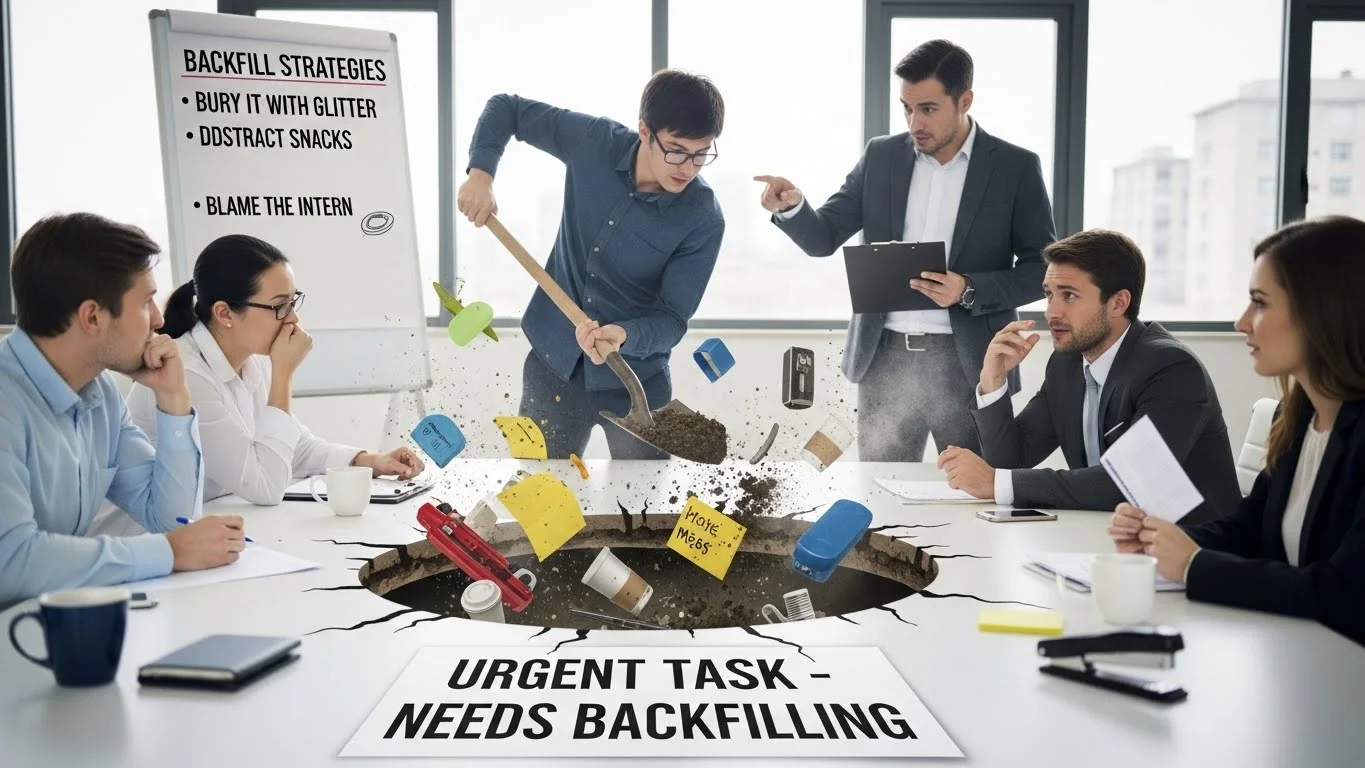
Why Understanding Backfill Matters
Knowing the backfill meaning helps avoid confusion and ensures accurate communication in technical and professional settings.