
What Does EOP Mean in Simple Terms
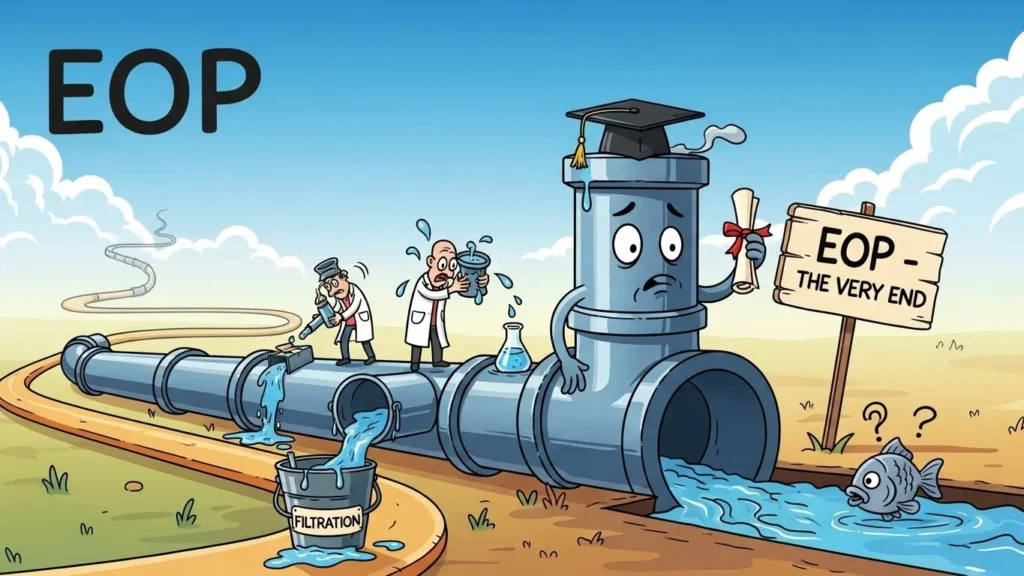
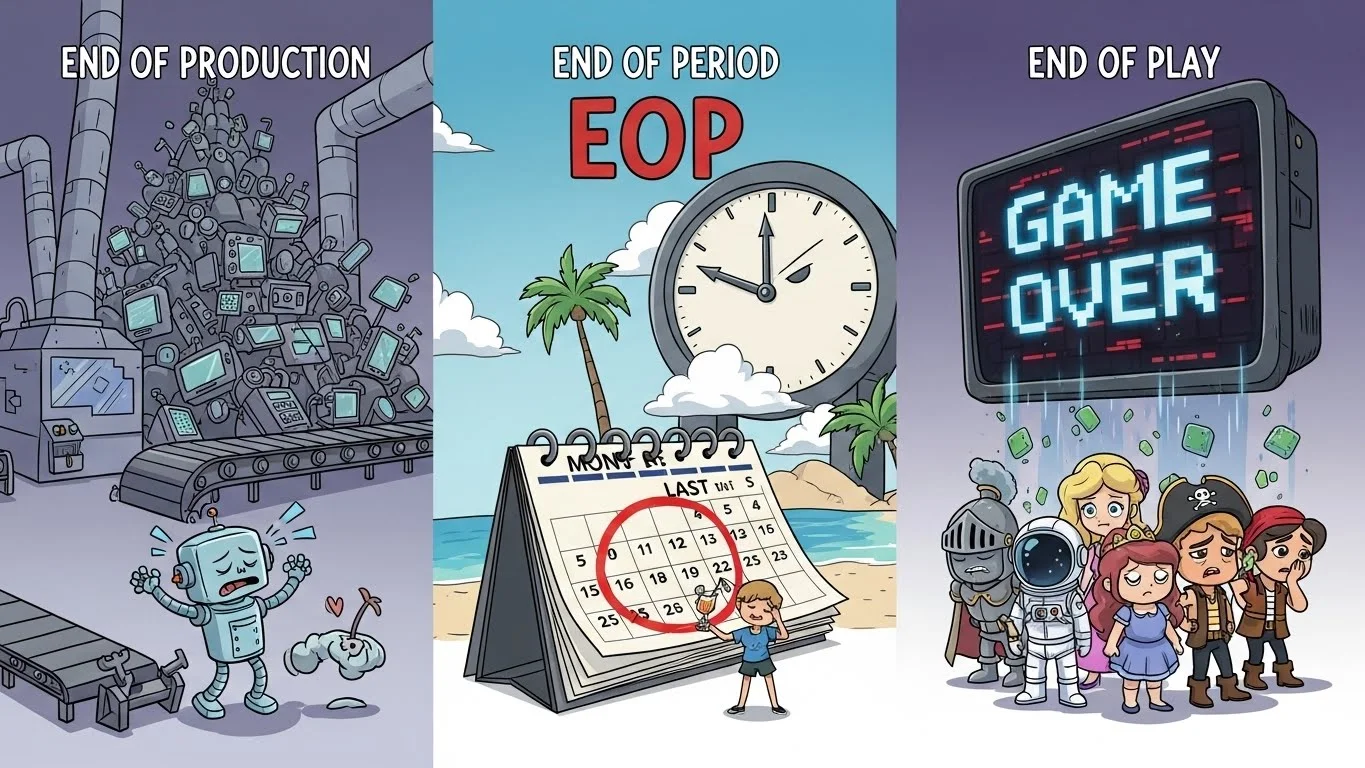
In simple terms, EOP usually means “End of Period” or “End of Project,” depending on the situation.
EOP Meaning in Business
In business, EOP often stands for End of Period, referring to the close of a financial, reporting, or billing period.
EOP Meaning in Finance
In finance and accounting, EOP is used for month-end, quarter-end, or year-end reporting and calculations.
EOP in Work Emails
In workplace emails, EOP may indicate a deadline, meaning something must be completed by the end of the period.
EOP in Project Management
In project management, EOP can mean End of Project, marking the final phase or completion date of a project.
EOP in Human Resources
HR teams may use EOP when referring to payroll cycles, benefits periods, or performance review timelines.
EOP in Education
In education, EOP may refer to End of Program or End of Period, such as the end of a semester or course module.
EOP Meaning in Texting
In texting or chat, EOP is sometimes used casually to mean “end of post” or “end of point,” though this is less common.
EOP in Technology
In technology and systems documentation, EOP can refer to End of Processing or End of Packet, depending on the field.

EOP Meaning in Government
In government or institutional settings, EOP may refer to Emergency Operations Plan, a document outlining response procedures.
Common Misunderstandings About EOP
Many people assume EOP has only one meaning, but it actually changes depending on the industry and context.
Difference Between EOP and EOM
EOP refers to the end of any defined period, while EOM specifically means end of month.
How to Use EOP in a Sentence (Business)
Example: “Please submit the report by EOP Friday.”
How to Use EOP in a Sentence (Project)
Example: “The system will be reviewed at EOP to confirm project completion.”
EOP in Professional Communication
Using EOP saves time and keeps communication concise when everyone understands the context.
Why Understanding EOP Matters
Knowing the EOP meaning prevents missed deadlines, confusion, and miscommunication at work or school.
EOP in Documentation
Official documents often use EOP to define timelines, reporting cutoffs, or operational limits.
EOP in Planning
EOP helps teams plan tasks, reviews, and deadlines around clear endpoints.
EOP in Modern Usage
Today, EOP is widely used across business, finance, education, government, and professional communication.
EOP Meaning and Context
Always consider where and how EOP is used to determine its correct meaning.